A Nigerian scientist's software could cut MRI scans from 20 minutes to two
Mary-Brenda Akoda, a Google DeepMind scholar trained at Imperial College, plans to launch GenMRI in Nigeria and Britain next year. It works on the scanners hospitals already have.
Lire cet article en français →
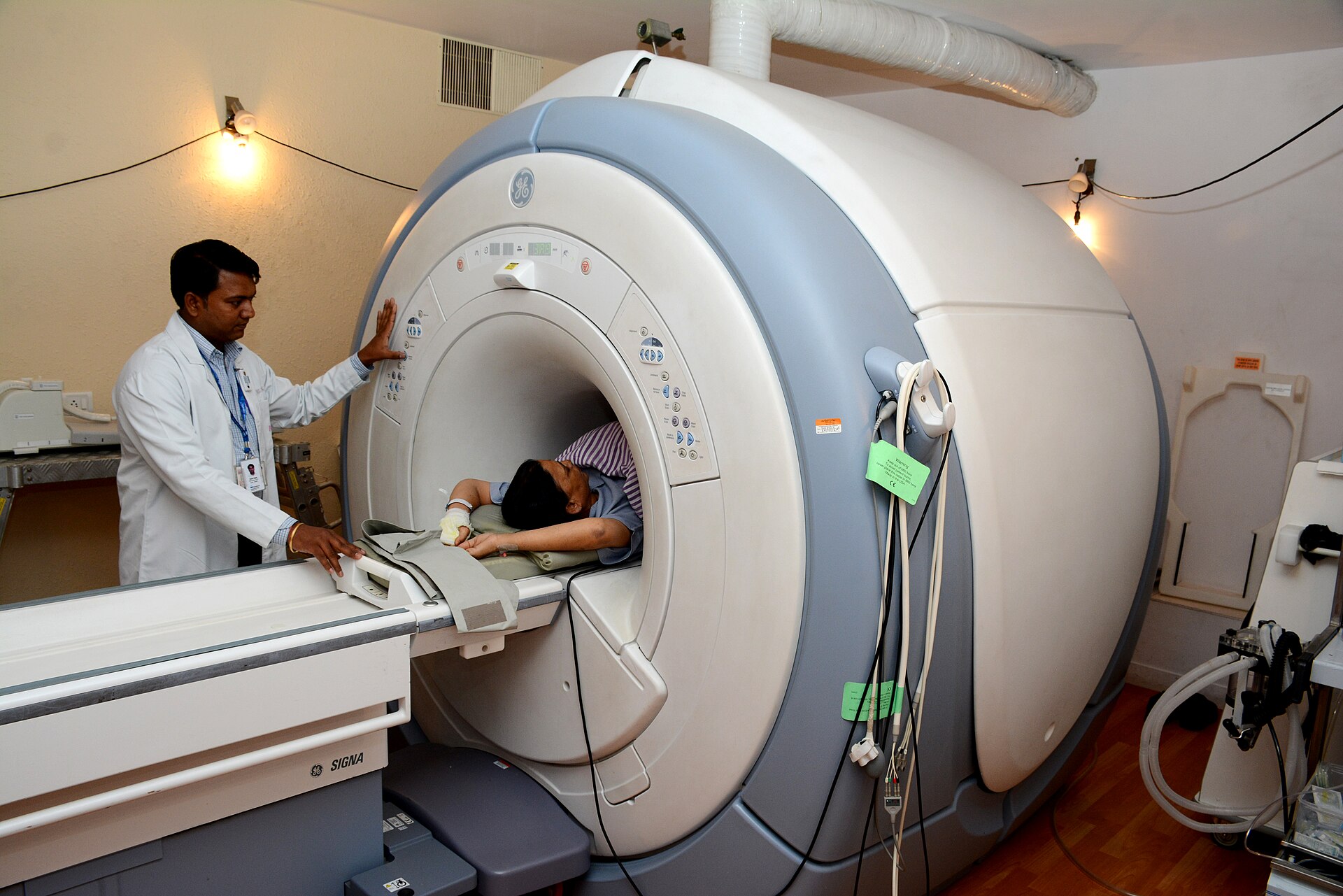
Lagos — A Nigerian scientist says she has built software that can make MRI scans up to 90% faster, on the machines hospitals already own.
Mary-Brenda Akoda, a UK-based artificial intelligence researcher, plans to roll out her product, GenMRI, in Nigeria and the United Kingdom in the second half of 2027, ThisDay reports. She described it to journalists in Lagos at a session with the winners of the 2026 Nigeria Prize awarded by NLNG.
Who she is
Ms Akoda is the founder of GenScan AI. She is a Google DeepMind scholar, a former Microsoft engineer and a researcher trained at Imperial College London.
What the software does
An MRI scan can take anywhere from 15 minutes to more than an hour, with the patient lying still in a noisy, enclosed machine. Any movement blurs the images, which can mean repeat scans and, for some patients, sedation.
GenMRI is designed to produce the same diagnostic images in a fraction of the time. In the examples she gave:
- a 20-minute scan could take about two minutes
- an hour-long scan could take about six minutes
Because it runs on existing scanners, hospitals would not need to buy new machines. Ms Akoda says the result would be more patients scanned each day, shorter waiting lists, fewer repeat scans and less sedation, which matters most for elderly patients, children and babies.
The evidence so far
According to Ms Akoda:
- The system was built and validated on more than 8,800 MRI images.
- In technical tests its images were up to 99.7% similar to conventional scans, at four to ten times the speed.
- In an early blinded assessment, a consultant radiologist at Buckinghamshire Healthcare NHS Trust in Britain, who was not told which images had been enhanced, rated the GenMRI images as diagnostically equivalent to conventional ones in every case assessed.
- A separate heart study used more than 15,000 training images and 7,700 validation images, and a test on 1,125 knee scans the system had not seen before achieved scans up to 75% shorter.
These are the company's own results, and the blinded assessment is described as early.
Why she built it
Ms Akoda says the project began with a loss. About three years ago an elderly relative had a stroke and could not get a scan in time because of long queues, and died after deteriorating.
Imaging is often the first step in diagnosing stroke, which kills more than 6.5 million people a year worldwide, and cancer, which kills more than 10 million, according to figures cited in the report.
Source: ThisDay via AllAfrica, reporting by Peter Uzoho, 14 October 2026.