Zimbabwe turns to the makers of India's UPI to cut the cost of digital payments
The central bank is negotiating with the overseas arm of India's national payments body to build a shared system for banks, mobile money and fintech firms. Talks could conclude by the end of October.
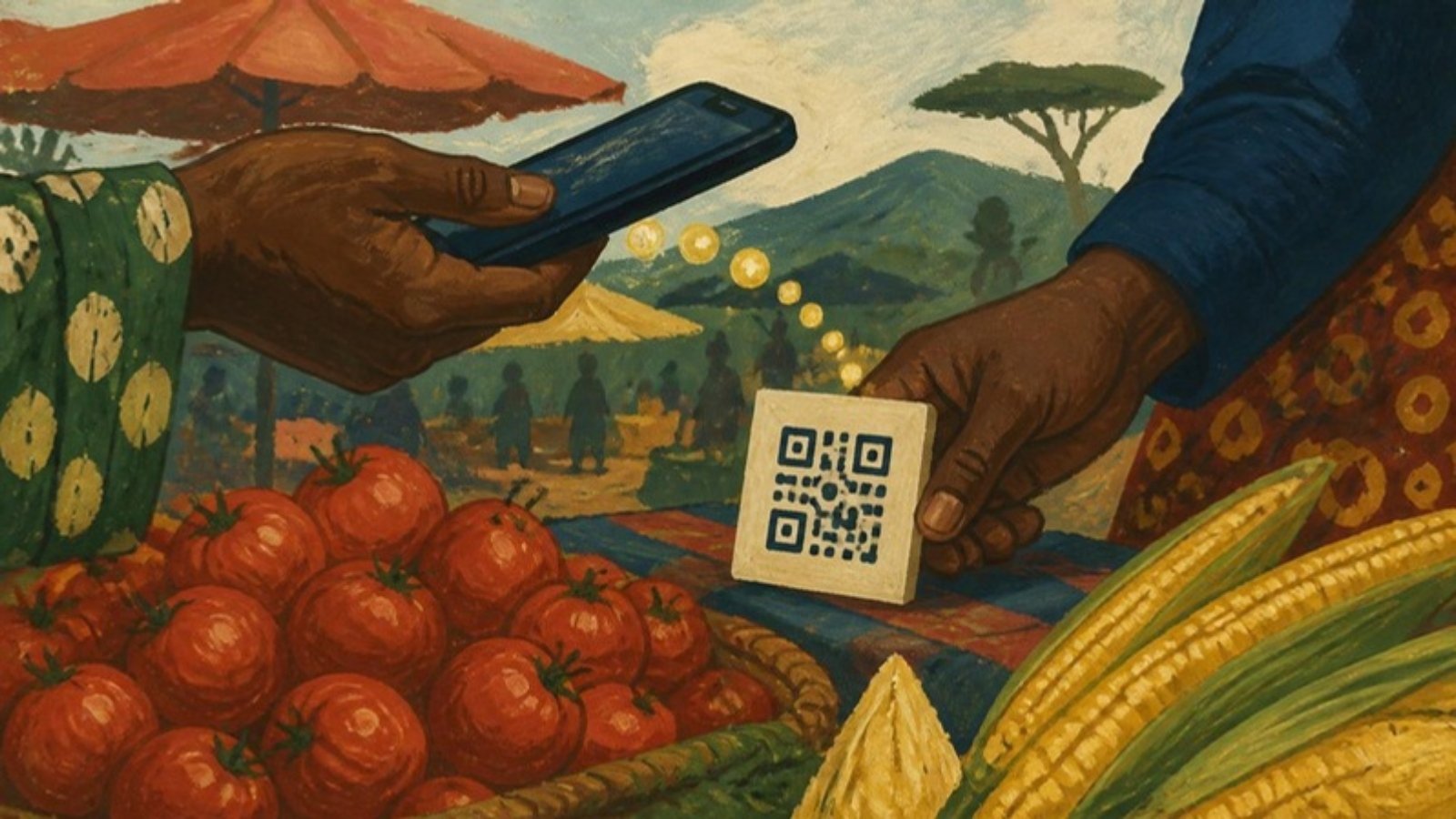
Harare — Zimbabwe is negotiating with the international arm of India's National Payments Corporation to bring the technology behind India's Unified Payments Interface (UPI) into its own financial system, New Zimbabwe reports.
The Reserve Bank of Zimbabwe wants to use the system as common infrastructure through which banks, mobile-money operators, fintech companies and other providers can process transactions in real time. The aim is to cut the cost of transfers and speed them up.
The talks, first reported by Bloomberg on 5 October, could be concluded by 31 October, according to the central bank governor, John Mushayavanhu.
What is not yet known
Several details have not been disclosed. There is no published figure for how much customers would save, no budget for the project, no launch date and no schedule of fees.
The plan builds on a step the central bank took earlier this year. On 2 March it issued a circular requiring payment providers to align with a common QR-code standard, so that a customer of one provider can pay a merchant who uses another.
A model that is spreading
UPI lets people in India send money instantly between bank accounts from a phone, and has become the country's dominant way to pay. NPCI International Payments Limited has been offering the technology to other countries. Namibia's central bank signed an agreement with it on 2 May 2024.
Zimbabweans rely heavily on mobile money and digital transfers for everyday purchases, and the cost of those transactions is a long-standing complaint.
This report is based on reporting by New Zimbabwe, via AllAfrica. The negotiations had not concluded when it was written.