Africa imports most of its medicines. The case for making them at home
The continent buys in 70 to 80% of the medicines it uses and up to 95% of their ingredients. Twenty years after the AU's manufacturing plan, the push for a home-grown industry is back.
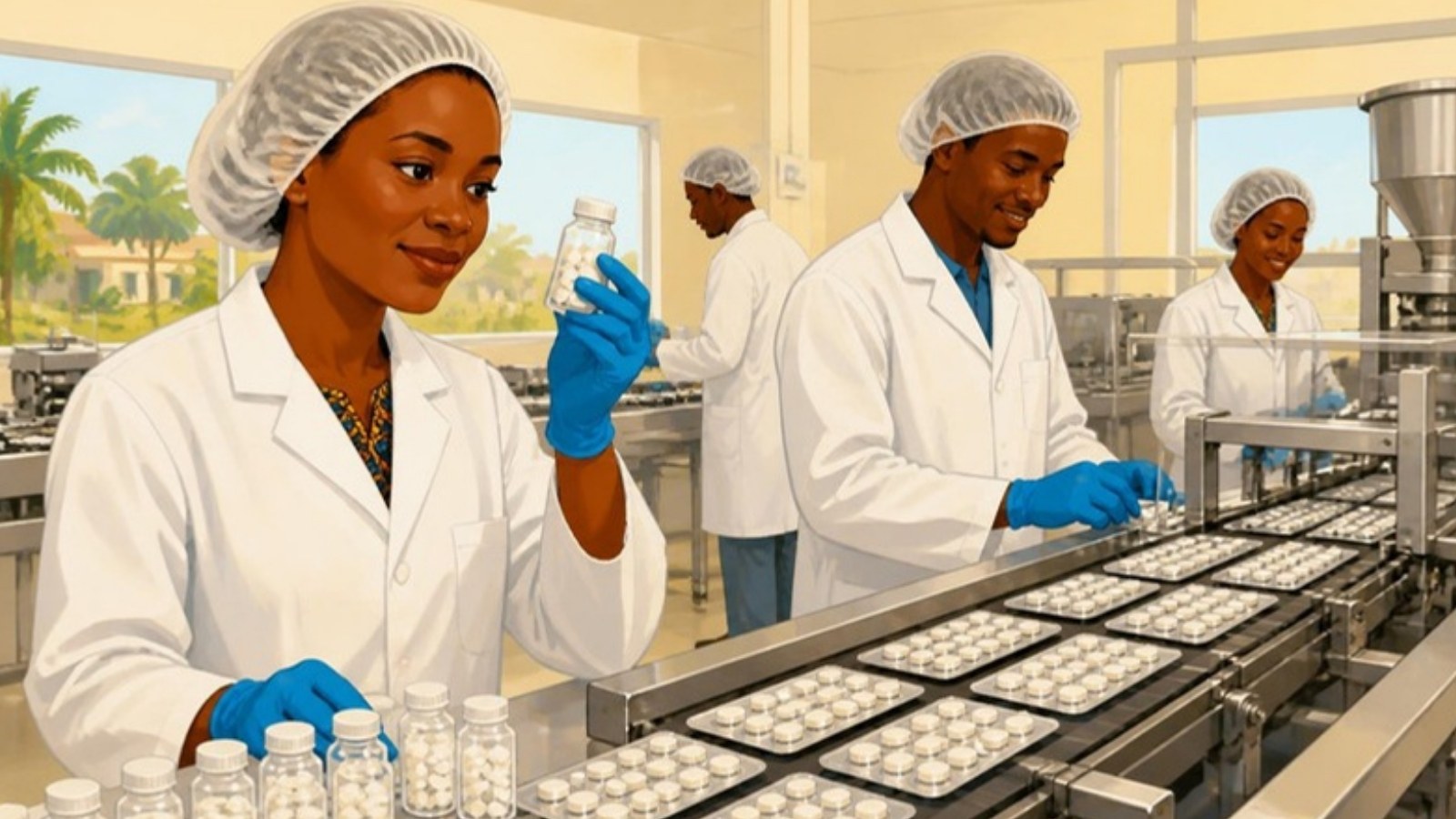
PANM — Africa imports 70 to 80% of the medicines it uses and up to 95% of the active ingredients needed to make them, Africanews's Business Africa programme reports. That dependence leaves the continent exposed whenever global supply chains are shaken, as they were by Covid-19, the war in Ukraine and instability in the Gulf.
A plan that stalled
The African Union launched its Pharmaceutical Manufacturing Plan for Africa in 2005 to close that gap. Two decades later, progress has stalled, and about 36 countries in sub-Saharan Africa have virtually no capacity to make medicines.
The case for building
Lenias Hwenda, chief executive of Medicines 4 Africa, argued on the programme for a strong, home-grown pharmaceutical industry and set out what it would take to build one.
Also on the programme
- Kenya is positioning itself as East Africa's leader in electric mobility. About 15% of new motorcycles sold in the country are now electric, and electric buses and cars are gaining ground in Nairobi, although 20,000 diesel buses still run in the capital every day.
- Abidjan: a decent studio flat rents for 100,000 to 150,000 francs, well above the national minimum wage of 75,000 francs, and residents are turning to shared renting.
Source: Africanews, Business Africa, presented by Ronald Lwere Kato, 15 October 2026.