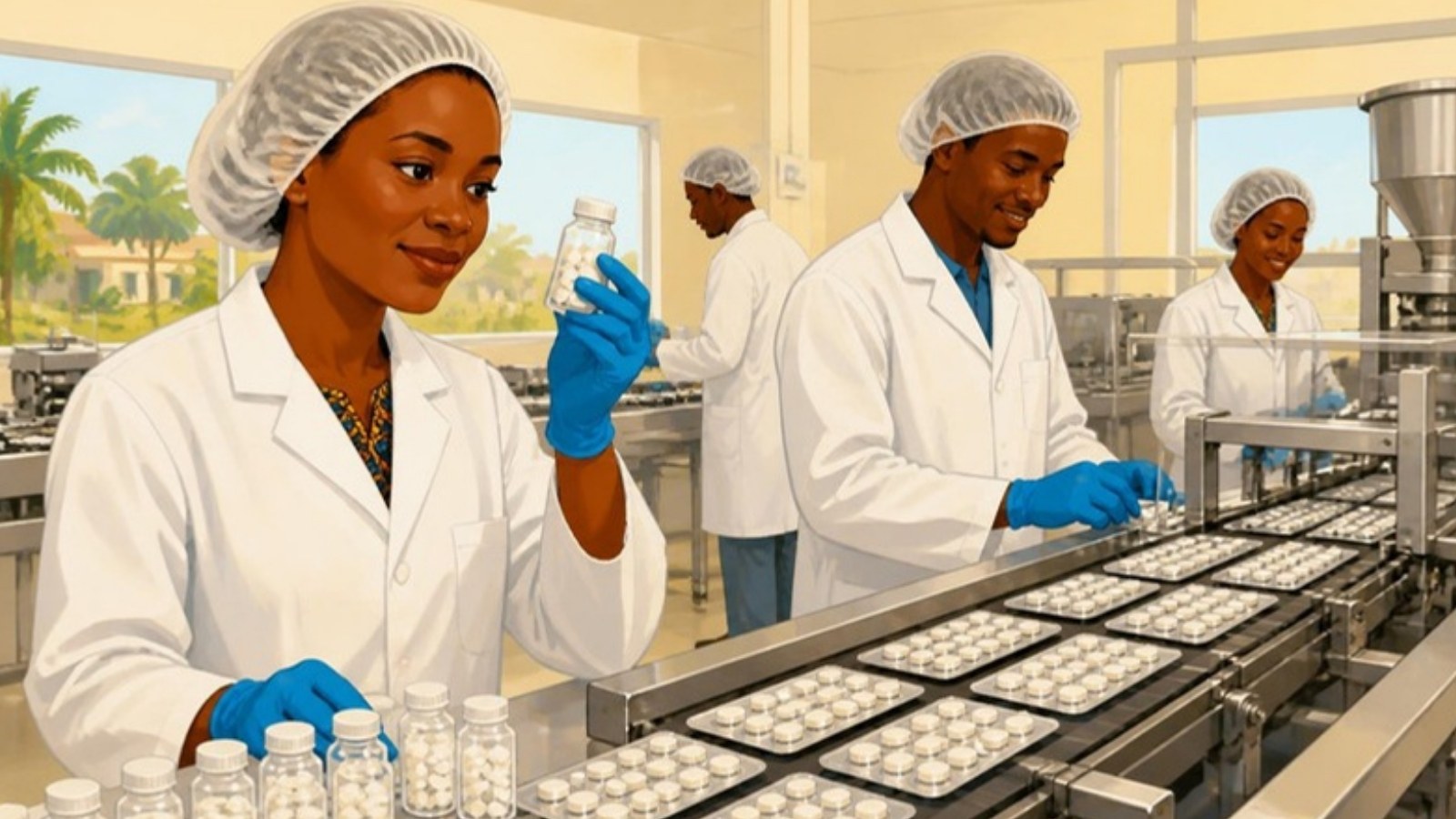
Solar cold rooms could help Africa's women farmers keep what they grow
Three in four working women in sub-Saharan Africa work in farming and food. In Enugu, solar cold rooms and greenhouses are being built for 500 young farmers, most of them women.
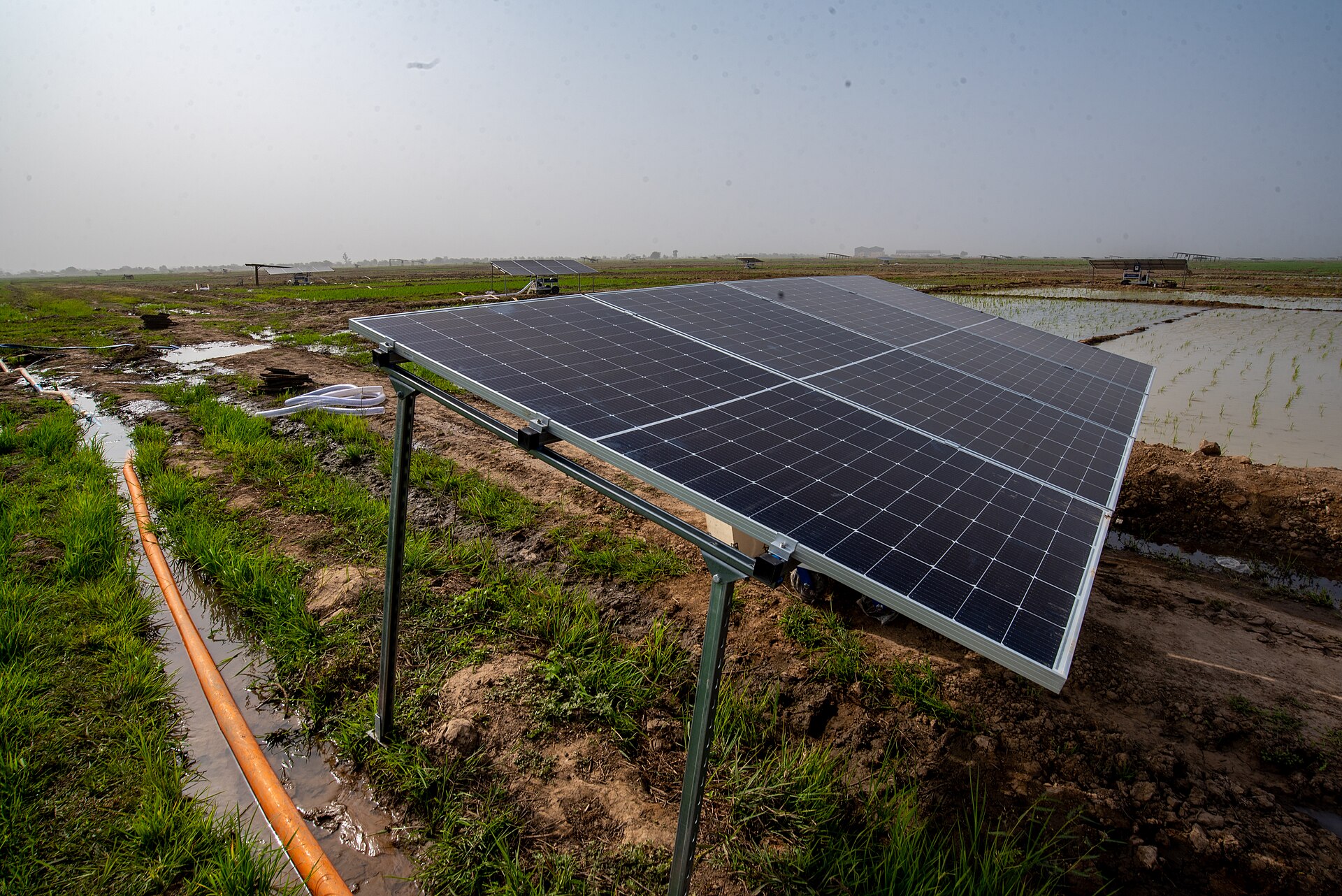
Enugu — At dawn in Enugu State, a farmer's tomatoes start to spoil in the heat. With no cold storage, she can sell fast at whatever price the buyer offers, or wait and risk losing the crop.
That scene opens a column on allAfrica by Sarah Maina-Kanda of the Global Energy Alliance for People and Planet, which argues that unreliable energy costs women farmers far more than their electricity bill: it stops them cooling, irrigating and processing their produce, and so keeps them from building profitable businesses.
The numbers she cites
- 76% of working women in sub-Saharan Africa are employed in farming and food systems, according to an FAO report from April 2026.
- Closing the gender gaps in productivity and pay could add about US$53 billion to the region's economy.
- More than 560 million people in sub-Saharan Africa lack electricity, according to the International Energy Agency.
- 37% of food produced in Africa is lost before it reaches buyers, World Bank research found.
- In Nigeria, women-owned businesses had 56% of loan applications rejected, against 17% for firms led by men.
What is being built
The alliance's EWAS programme, run with the Mastercard Foundation, aims to create 17,000 jobs over three years, mostly for young women in Nigeria and Ethiopia, by expanding access to clean-energy equipment, finance and business support.
In Enugu, the company Manamuz is installing two solar-powered cold rooms and 15 solar-irrigated greenhouses to serve at least 500 young farmers, 70% of them women, so that less of the harvest is lost and more of its value stays with the farmer.
What she asks for
- Governments to build productive use of energy into their farming and economic plans.
- Banks to design loans that follow the seasons of farm income.
- Development partners to use guarantees and catalytic capital to draw in private money.
- Investors to treat women-led food businesses as businesses, not only as beneficiaries.
The FAO has declared 2026 the International Year of the Woman Farmer.
Source: column by Sarah Maina-Kanda, lead manager at the Global Energy Alliance for People and Planet, on allAfrica, 15 October 2026. The alliance runs the EWAS programme described.