Africa is the world's youngest continent. What will a quarter of humanity under 30 build?
Half of Africans were under about 20 in 2012, when the world's median age was 30. By 2050, one person in four on Earth may be African.
Lire cet article en français →
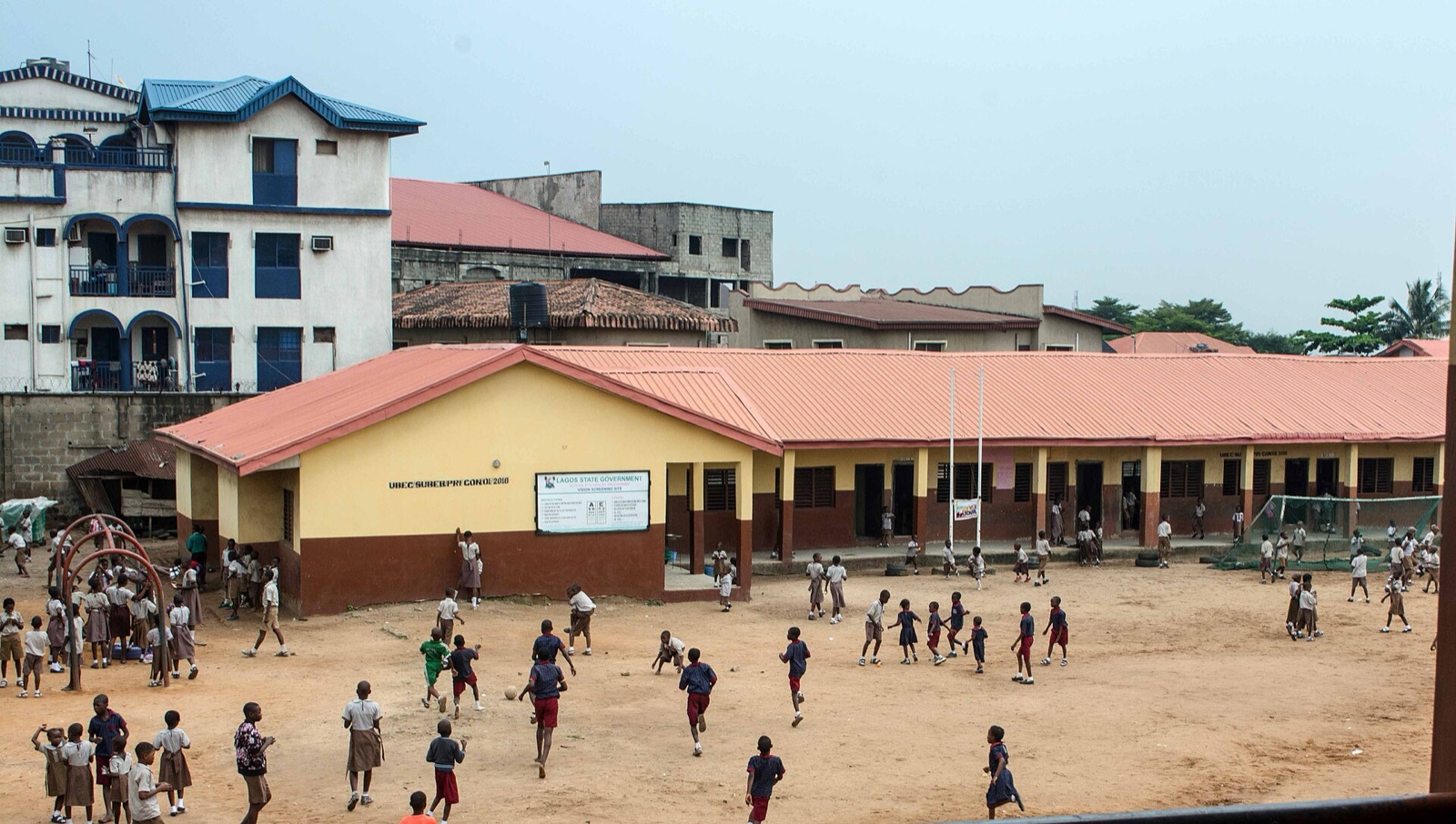
PANM — Africa is the youngest continent on Earth. In 2012 the median age of its people was 19.7 years, meaning half were younger than that, while the median for the whole world was 30.4. In many classrooms, markets and offices across the continent, the typical person is a teenager or in their twenties.
The numbers
- Africa's population is estimated at about 1.59 billion in 2026, around 22% of humanity.
- It passed one billion in 2009, and is expected to pass two billion around 2038.
- According to UN estimates, it could reach nearly 2.5 billion by 2050, about 26% of the world's people, and 3.8 billion by 2100.
- Nigeria, the most populous African country, had about 233 million people in 2024.
Why so young?
Since the middle of the 20th century, far fewer African babies die, and people live longer, while families have stayed larger than in other regions. Much of the growth to come will be in East, Central and West Africa.
The big question
While Europe, East Asia and North America age, Africa will be home to a growing share of the world's young workers, inventors, artists, consumers and voters. Economists call the opportunity a "demographic dividend": when the number of working-age people rises faster than the number of dependants, a country can save more, invest more and grow faster.
That dividend is not automatic. It depends on schools that teach the right skills, enough jobs, health care, electricity, roads and cities that work, and access to money to start businesses. Get those right, and the world's youngest continent becomes its engine of growth.
Already, Africa's young people are building fintech apps, Afrobeats hits, Nollywood films and sports careers that the world watches. The question is not whether Africa's youth will shape the century, but how fast.
Background: Wikipedia.