Bridge Merchant's 1,300 rural agents, most of them women, link Nigerian farmers to big buyers
The agri-tech firm combines field agents, storage and its Aladinn Agro platform to get maize, soybeans and rice from smallholders to processors.
Lagos — A Nigerian agri-tech start-up is building the missing link between the country's smallholder farmers and the processors and manufacturers who need their crops.
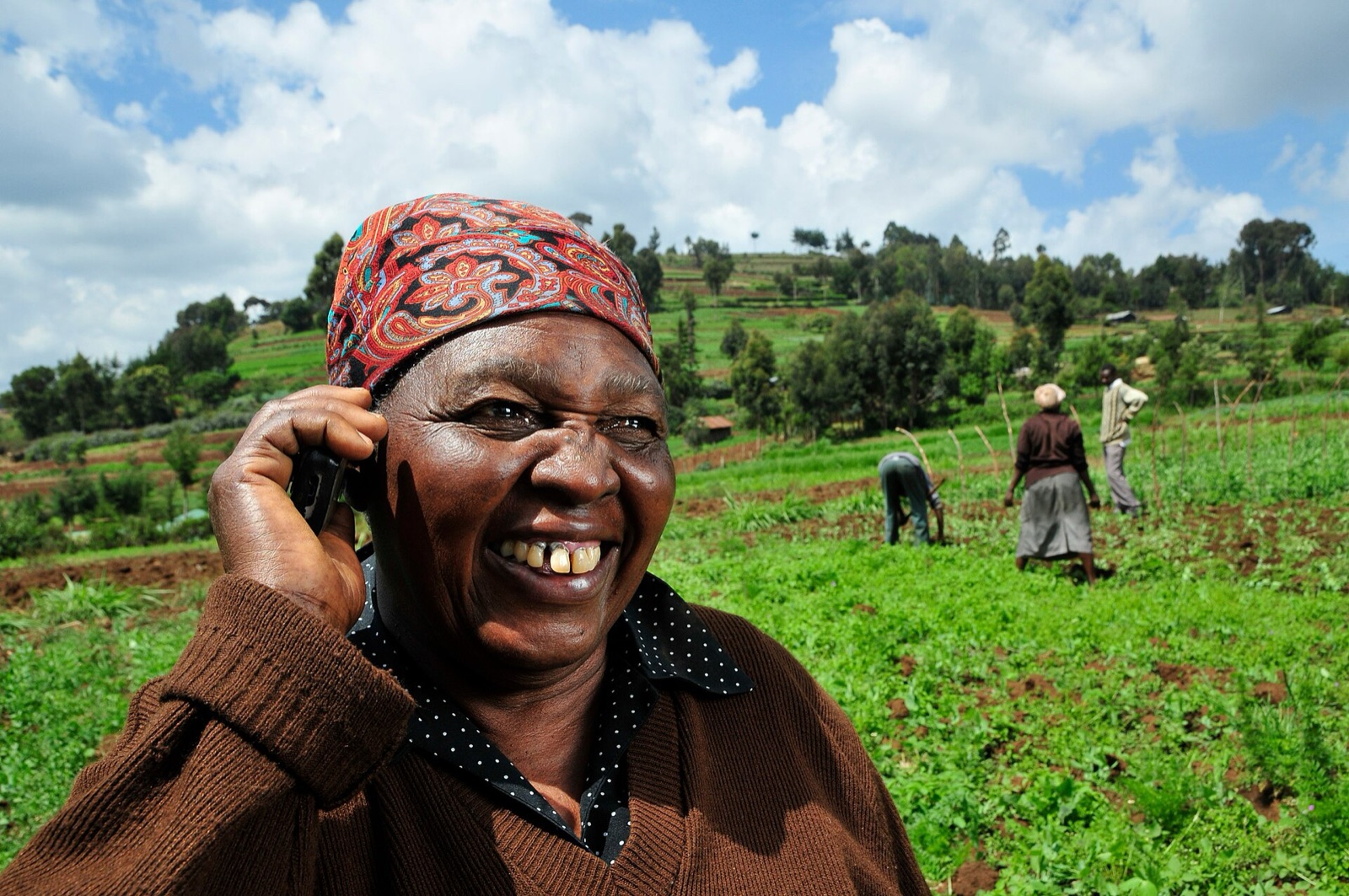
Bridge Merchant, founded in 2020 by chief executive Chinwendu Nweke, began as an agricultural trading and aggregation business before becoming a technology-enabled supply chain company. It now has a four-person founding team, six core employees and a network of more than 1,300 rural agents, about 65% of them women.
Losing value between farm and market
"Bridge Merchant was established after I saw first-hand how much value farmers were losing, not necessarily because they could not produce, but because the infrastructure between production and the market was fragmented," Nweke told Disrupt Africa.
"Nigeria does not necessarily have a production problem alone; it also has a significant market-access and agricultural infrastructure problem," Nweke said. A farmer can grow a good crop and still lose income because of poor storage, scattered demand, weak logistics or no reliable buyer at the right time.
Digital and physical
The company's platform, Aladinn Agro, is used alongside its field network to register and verify farmers, map farms, gather produce, manage quality and traceability, and coordinate transport. Bridge Merchant works mainly with staples such as maize, soybeans, paddy rice, sorghum, millet and beans, plus some export and by-product value chains.
At the other end, large buyers struggle to source steady volumes of traceable, quality-checked produce from thousands of small farms. Nweke said the company stands out by combining the digital and physical sides of the supply chain rather than solving only one.
Source: Disrupt Africa, 11 November 2026.