Chefchaouen: Morocco's Blue Pearl beneath the mountain 'horns'
Founded as a small fortress in 1471 and settled by families from al-Andalus, the town in the Rif mountains is known around the world for its blue and white walls.
Lire cet article en français →
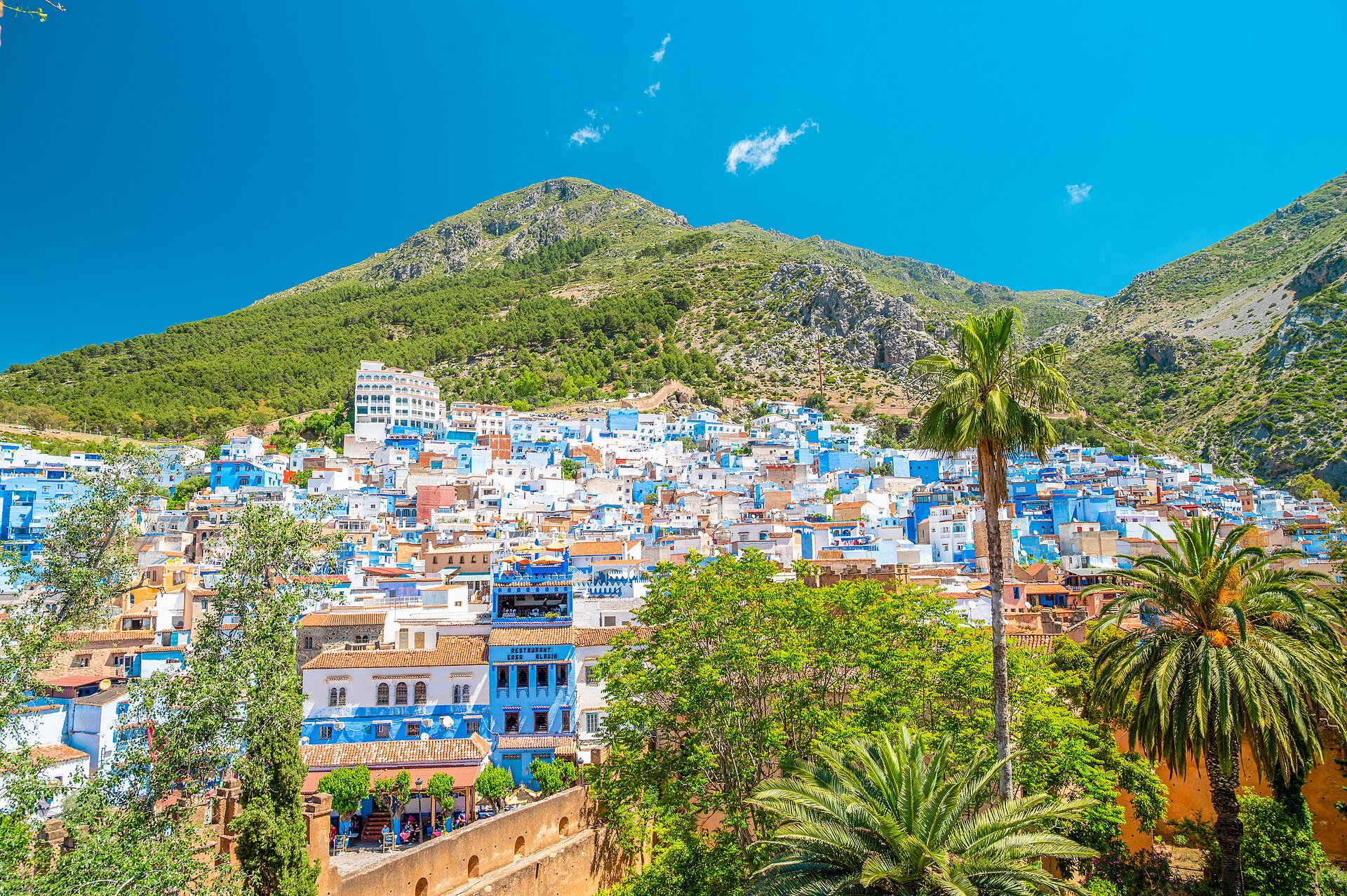
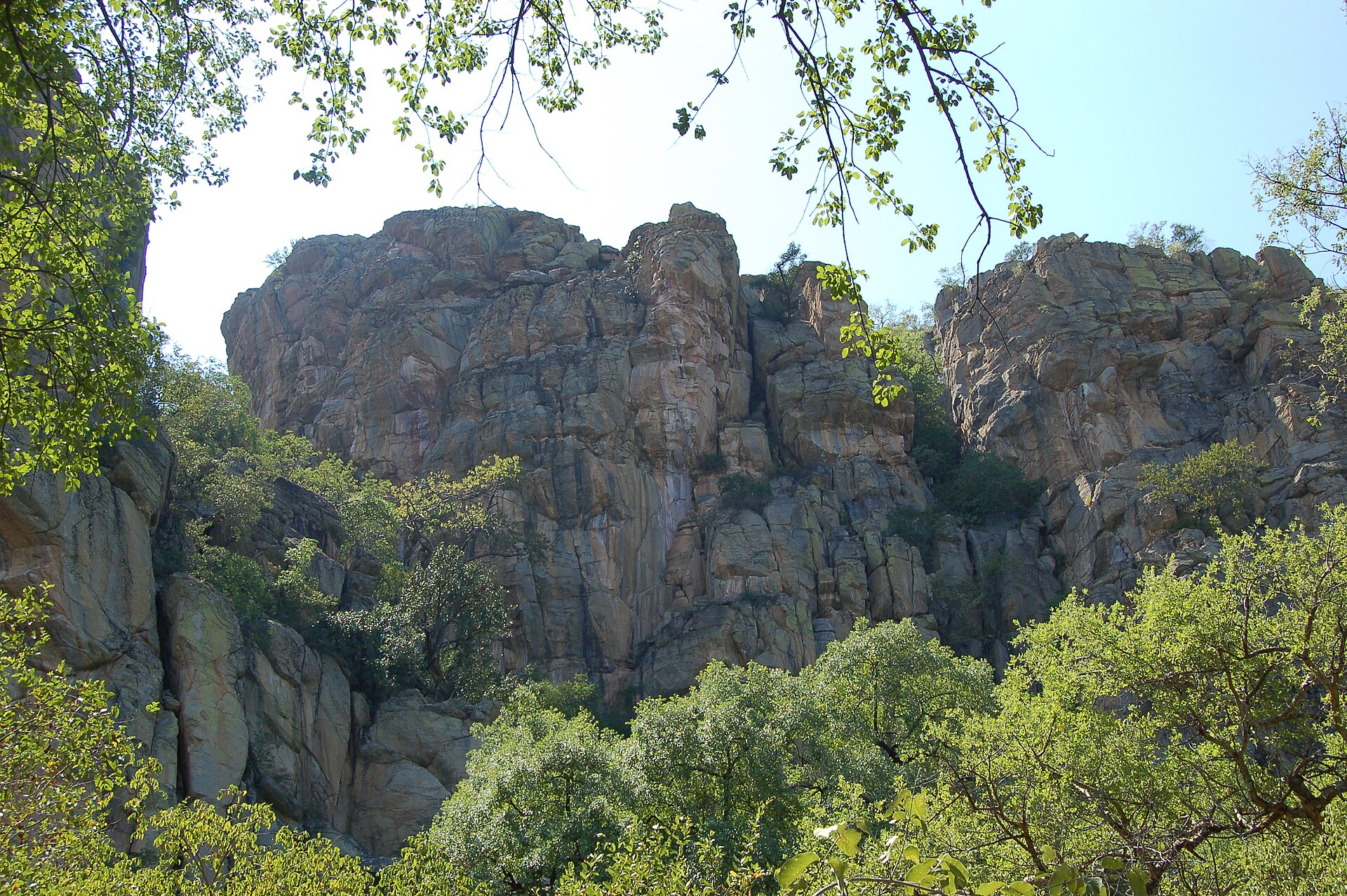
Chefchaouen — Chefchaouen sits in the mountains of northern Morocco, between Tétouan and Ouazzane. Its name blends Arabic and Berber words and means "look at the horns", a reference to the two peaks above the town. Today it is better known by its nicknames: the Blue City, or the Blue Pearl of Morocco.
A fortress becomes a city
The town was founded in 1471 by Ali ibn Rashid al-Alami as a small kasbah. After the fall of Granada in 1492, many Andalusi Muslims and Jews settled on its slopes and built quarters in the style of Granada. Within a few decades the fortress had become a prosperous city, with walls pierced by about ten gates and several mosques, including the Great Mosque. Its population included poets and philosophers.
Sayyida al-Hurra, daughter of the founder, later ruled the city through a period of rapid growth.
Why blue?
There are several explanations for the blue walls of the medina, the historic district. Some say the colour keeps mosquitoes away; others that it symbolises the sky and heaven, a reminder to lead a spiritual life. Some locals say the walls were painted blue in the 1970s to attract visitors.
Traditional houses were built of stone, brick, tile, wood and lime around an open courtyard, often planted with oranges, lemons, grapes and jasmine. Curved brick arches recall Andalusian architecture. Chefchaouen became part of independent Morocco in 1956, and its blue alleys now draw visitors from around the world.
Background: Wikipedia.