Congolese rumba: the sound of two capitals that UNESCO now protects
Born between Kinshasa and Brazzaville, it danced through independence talks in 1960 and shaped popular music across Africa.
Lire cet article en français →
Kinshasa — Two capital cities face each other across a river, and between them grew one of Africa's great musical traditions. In December 2021, Congolese rumba joined UNESCO's list of intangible cultural heritage.
Maringa, Cuban records and a misnomer
Its roots lie in maringa, a partner dance music of the Bakongo from the former Kingdom of Loango. From the 1920s to the 1940s, bars in Brazzaville and Léopoldville, now Kinshasa, rang with it, played with a bass drum, a bottle used as a triangle and an accordion. Imported Cuban son records then changed the sound. They were often wrongly labelled "rumba", and the name stuck.
The sound
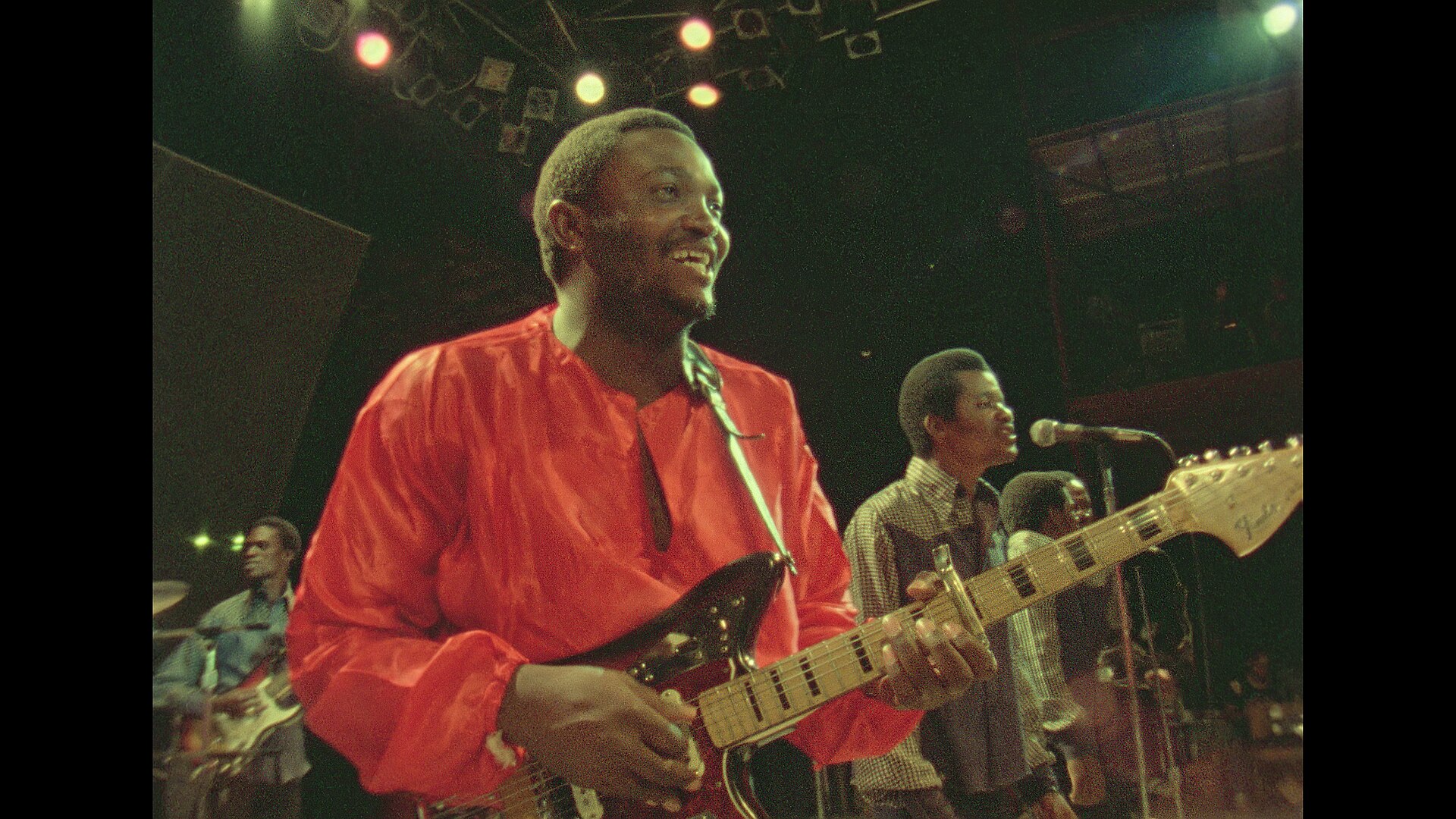
The music is sung mainly in Lingala and built on layered, circling guitar lines over electric bass and percussion. Its high point is the sebene, an instrumental bridge that lifts the dancers and the atalaku, or hype men.
A song for independence
On 1 February 1960, the band African Jazz played the Plaza Hotel in Brussels during the talks on Congo's independence, and performed "Indépendance Cha Cha". Sung in Lingala, Kikongo and French, it filled the dance floor. Delegates including Patrice Lumumba and Joseph Kasa-Vubu were pleased to hear their names in the lyrics.
Generations of stars
Franco Luambo Makiadi and TPOK Jazz, Le Grand Kallé, Tabu Ley Rochereau, Papa Wemba and Koffi Olomide all pushed it forward. Soukous grew out of it in the 1960s and 1970s, and ndombolo followed in the late 1990s. The genre has found audiences across the continent, Europe and the United States.
Background: Wikipedia.