Drought and war push Darfur and Kordofan towards famine
A UN-backed hunger monitor says child malnutrition in two Darfur camps is above the famine threshold, and only a quarter of the sickest children are being treated.
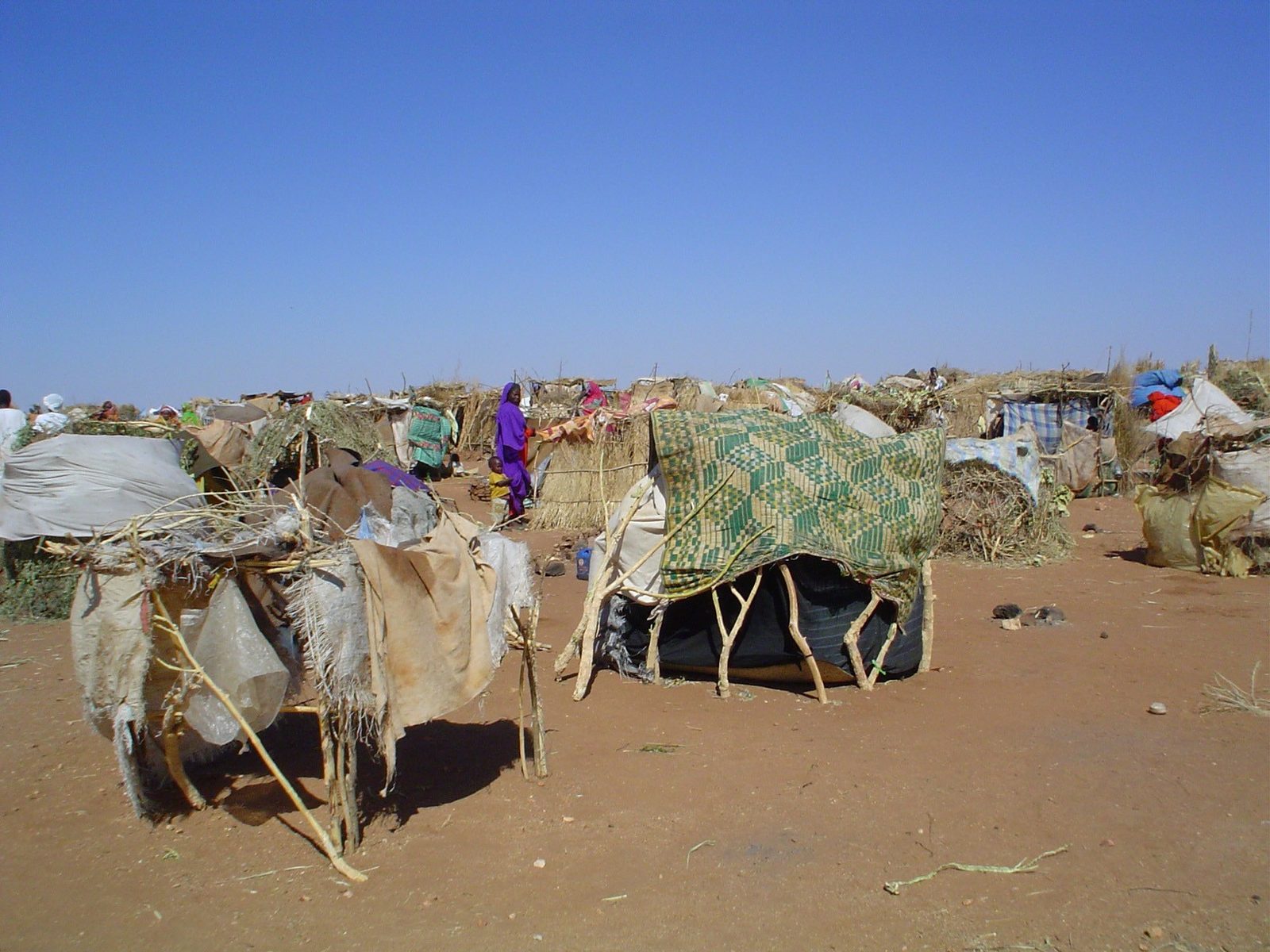
Port Sudan — The risk of famine is growing in Sudan's Darfur and Kordofan regions as a severe El Niño drought compounds the damage of war, the world's main hunger monitor warned on Monday.
The alert comes from the Integrated Food Security Phase Classification, known as the IPC, a partnership that includes the World Food Programme and the Food and Agriculture Organization. It says new evidence shows malnutrition worsening in several places, while aid falls short because of a lack of money, insecurity and restricted access.
What the surveys found
- In eastern Jebel Marra, in South Darfur, a survey of two camps for displaced people found acute malnutrition among children at 38% and 30.8%. Both figures are above the threshold used to define famine. Hunger was severe and death rates were high.
- Across Greater Darfur, 13 of the 17 nutrition surveys carried out since January found critical levels of acute malnutrition.
- In Nyala, the share of children coming for nutrition help who needed treatment for the most severe form more than doubled between January and August, from 5% to 11%.
The treatment gap is stark. By August, only 26% of the children expected to need care for severe acute malnutrition with medical complications had received it. Without treatment, the alert says, as many as two-thirds of such children could die.
The drought
Drought now affects more than half of Sudan. In North Darfur, 64% of cropland shows poor plant growth. Rain arrived in late September, too late to save most cereal crops, and cereal prices are very likely to go on rising.
The war
The alert describes Greater Kordofan as the epicentre of the conflict. More than 300,000 people have been forced from their homes there since October 2025. Markets have been hit by more than 170 air strikes, lootings or armed clashes this year.
On 2 and 3 October, two trucks contracted by the World Food Programme came under fire and at least one person was killed.
What the monitor is asking for
The IPC's famine review committee said it does not have enough survey data for a full analysis, but that the evidence points to a situation getting worse quickly. It called the crisis a humanitarian catastrophe already of historic proportions.
It wants an end to the fighting, safe and sustained access for aid, especially in North and West Kordofan, and large-scale, flexible funding. As of 8 October, less than half of the humanitarian appeal for Sudan had been paid for.
Source: UN News, 12 October 2026.