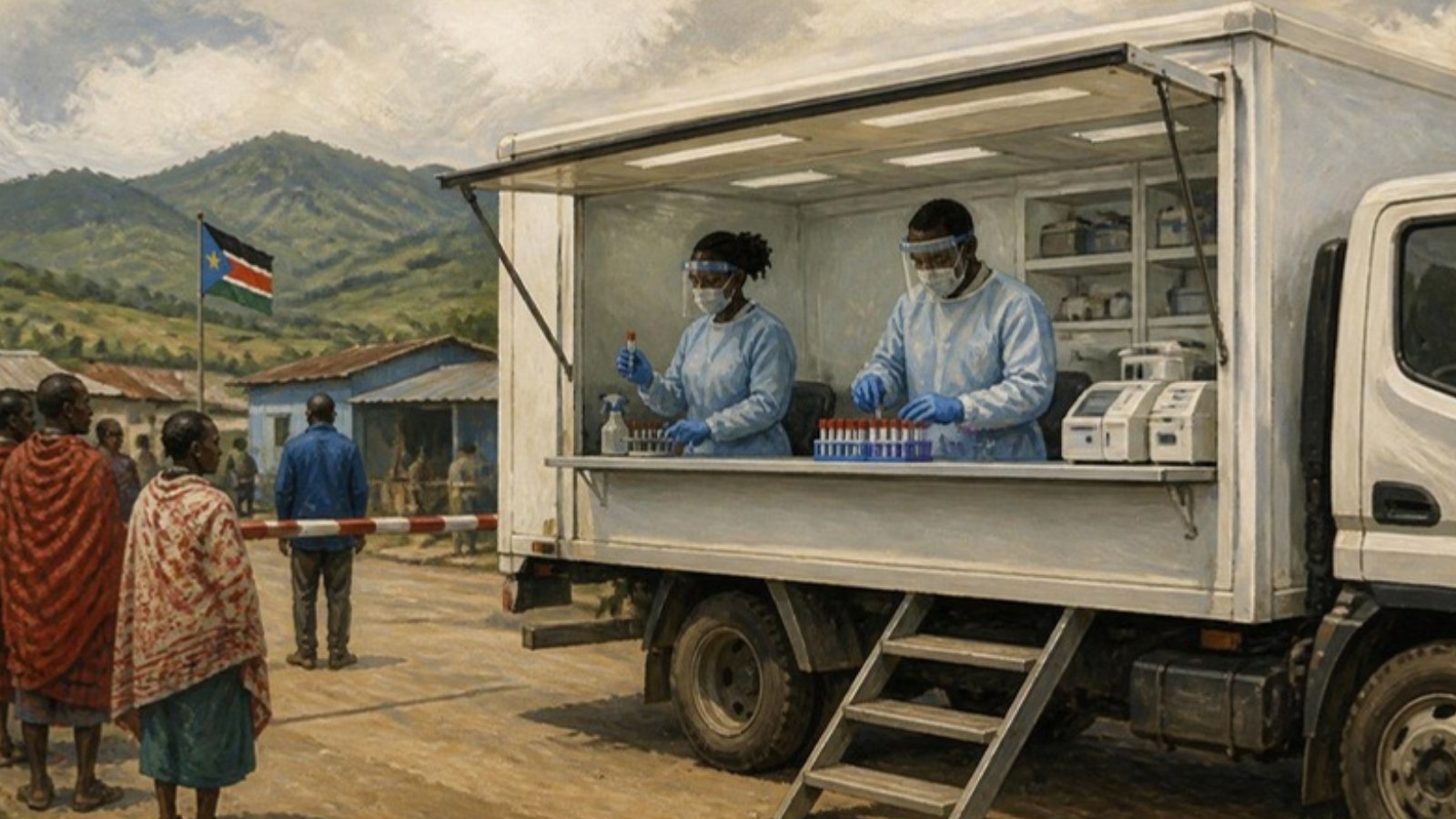
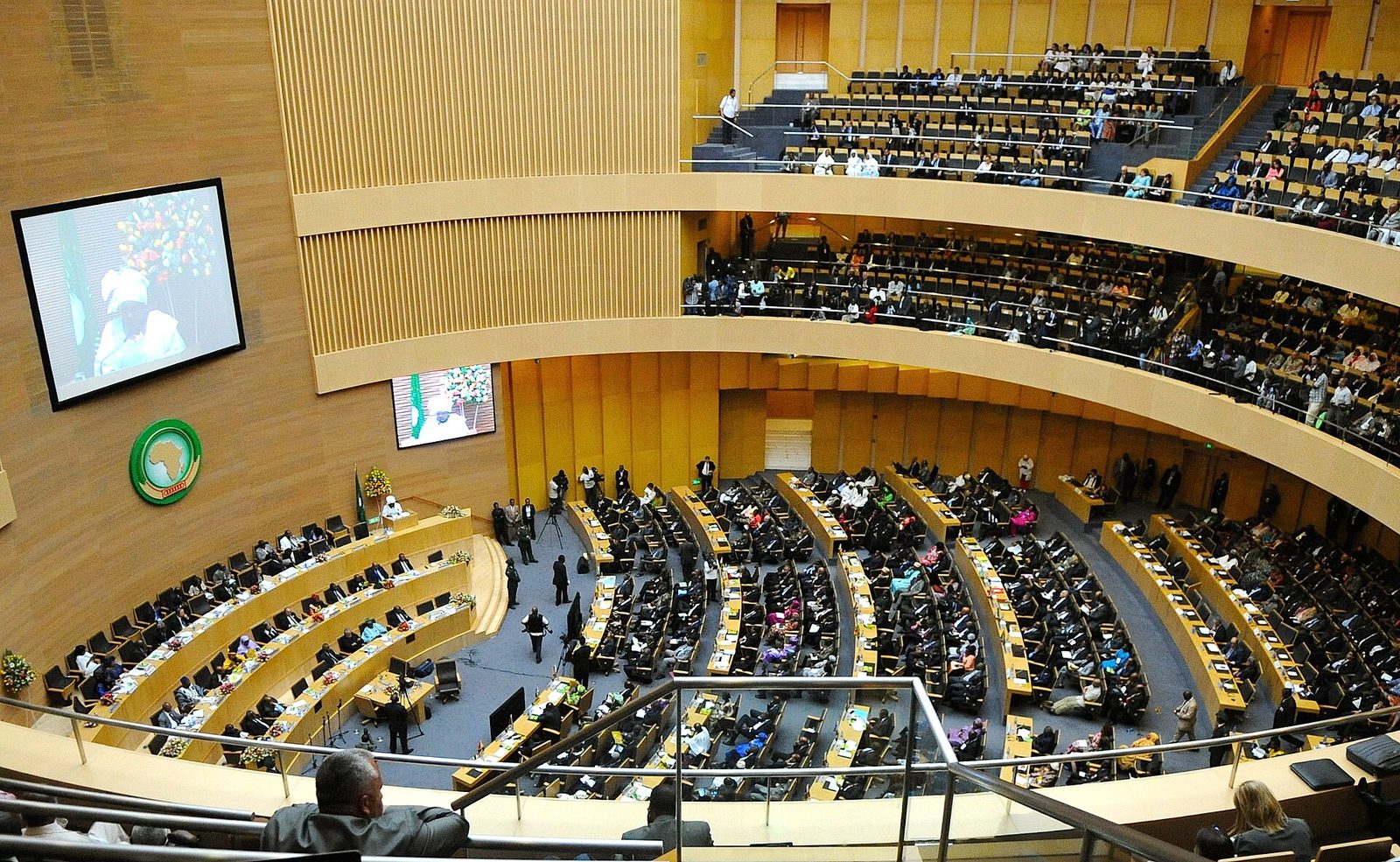
Ebola shows why Africa must pay more for its own health, experts say
Foreign health aid has fallen by almost 30%, and few governments meet their 15% Abuja pledge. UN economists say reforms need budget lines behind them.
Elizabeth Wilson
Bulawayo — The spread of Ebola from Congo to Kenya has given new urgency to calls for African governments to fund their own health systems, Inter Press Service reports.
The funding gap
- External health aid to Africa has fallen by almost 30%, according to the UN Economic Commission for Africa (UNECA). Such aid had covered more than 30% of health spending.
- In 2001, African governments pledged in the Abuja Declaration to spend 15% of their budgets on health. WHO data show actual shares range from about 2% to 12%.
- In 13 countries UNECA studied, households pay more for health care than their governments do, and many countries spend more on debt than on public health.
What the response showed
Amadou Bocoum, CARE's country director in Congo, said the Ebola response started with nothing and lost ten days; stocks placed in advance and early protective equipment would have needed proper funding. Médecins Sans Frontières said the strain in North Kivu was spreading so fast that fighting it was like fighting a megafire.
What experts propose
- Aboubakri Diaw of UNECA said reforms without budget lines are not policy, and urged governments to fund insurance schemes and build health costs into medium-term spending plans.
- Claver Gatete, UNECA's executive secretary, has called health an investment, not an expense.
- Pakhani Mhazo, a public health researcher in South Africa, said election cycles favour visible projects over preparedness, and called for investment in disease surveillance, laboratories and emergency systems.
Source: Inter Press Service via allAfrica, reporting by Ignatius Banda, 16 October 2026.