Ganvié: Benin's village on stilts, built by people who took to the lake to stay free
On Lake Nokoué near Cotonou, the 'Venice of Africa' is home to around 20,000 people who live, trade and go to school by boat.
Lire cet article en français →
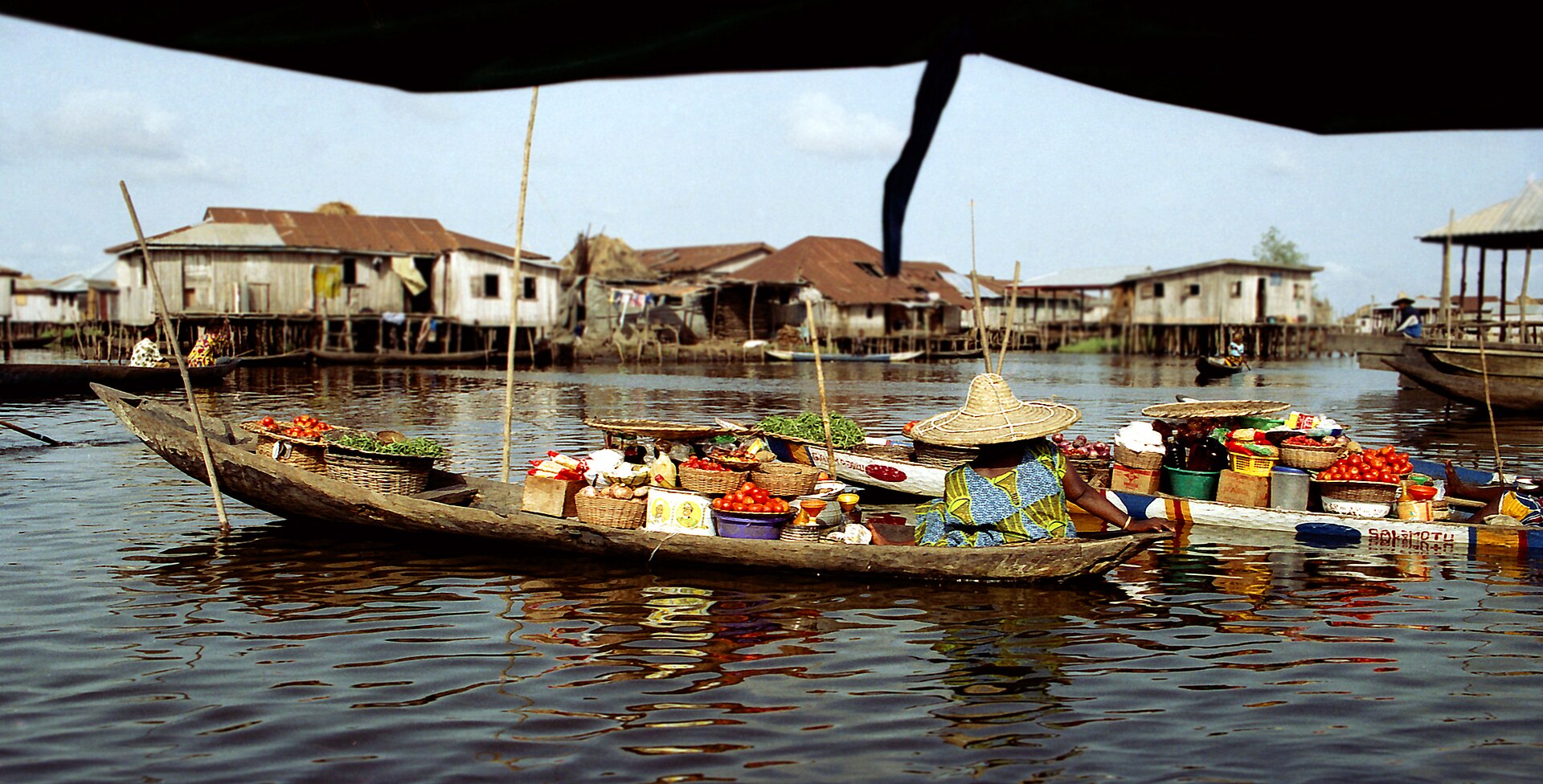
Cotonou — Ganvié is a village built on stilts in the middle of Lake Nokoué, just north of Cotonou in southern Benin. With around 20,000 inhabitants, it is probably the largest lake village in Africa, and it is often called the "Venice of Africa".
A refuge on the water
The village was founded by the Tofinu people, from the 16th to the 18th century depending on the account, who moved onto the shallow lake to escape raiders capturing people for the slave trade. In Fon, Ganvié is said to mean "we survived" or "I was rescued here". The lake became their protection, and the Tofinu are still known as the "water people".
Life by boat
Houses, shops, a market, churches and schools stand on wooden piles above the water, and the only way around is by pirogue. Ganvié and its neighbour Sô-Tchanhoué together are home to around 40,000 Tofinu. Fishing and fish farming are the main trades after tourism. Fishers use acadja, enclosures of branches planted in the lake where fish gather to feed and breed, and then harvest them after several months. Lake Nokoué produces an estimated two tonnes of fish per hectare a year.
Heritage, and pressures
Ganvié has been on UNESCO's tentative list for World Heritage since 1996; it is not yet inscribed, despite what some guidebooks say. Like any growing town, it faces pressures: drinking water comes from a few standpipes reached by canoe, and storms and floods damage homes. Some families now use solar panels for electricity.
The village keeps its own traditional monarchy, and remains one of the most visited sights in Benin.
Background: Wikipedia.