Green, red, yellow, wheat: the many words Africans use for skin tone
From Sudan to Ghana, communities describe complexion with vocabularies that carry history, status and ideas of beauty, and do not translate neatly into "Black".
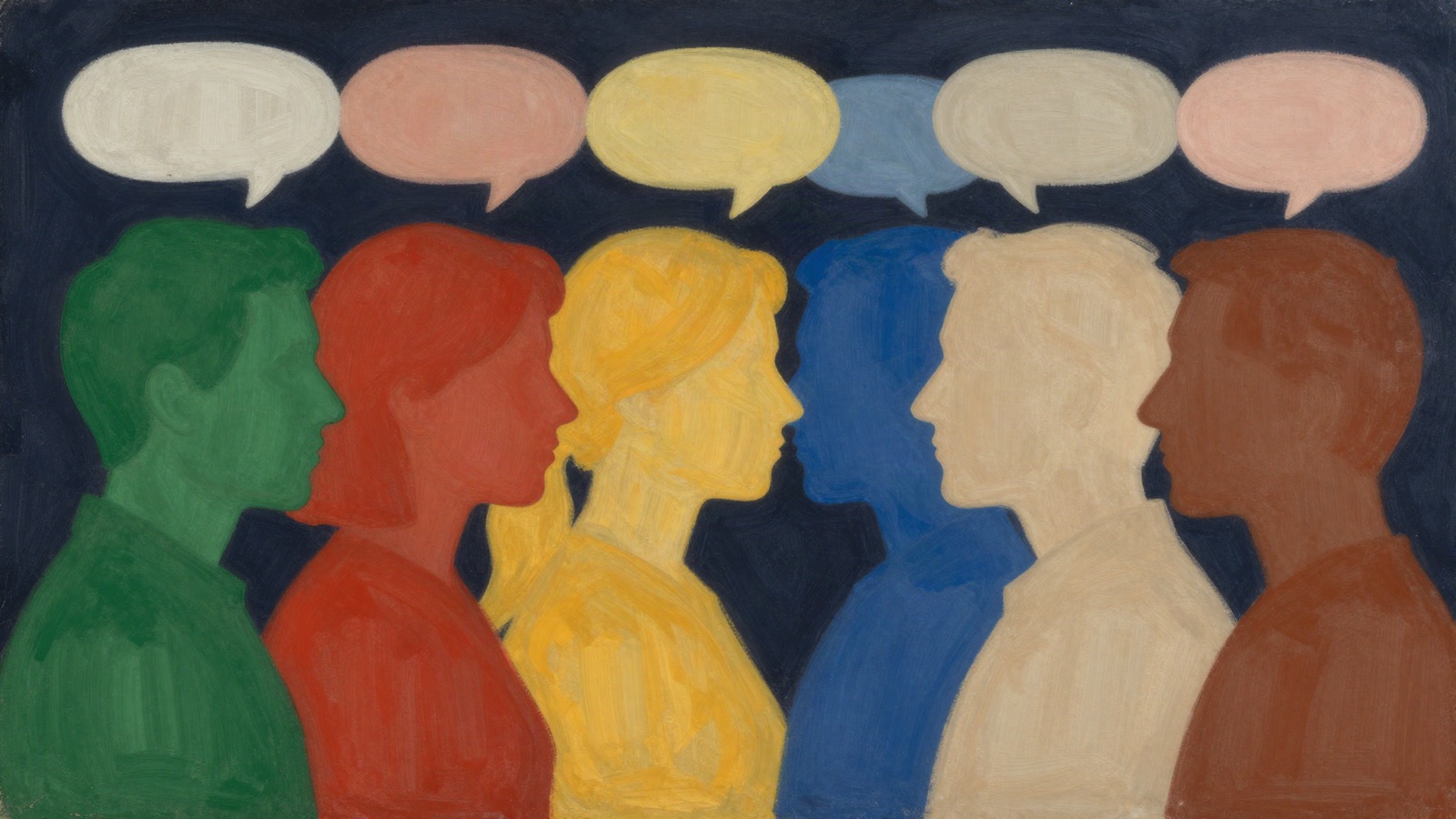
PANM — In many African cultures there is no single word for "Black". Communities use whole vocabularies to describe complexion, and those words carry meanings that go well beyond colour, according to an essay in the Guardian's diaspora newsletter, The Long Wave.
Sudan: a palette, not a category
The writer describes how many communities in parts of Sudan use words such as green, red, yellow, blue and wheat. Green means dark, but also suggests an even tone and a kind of handsomeness. Yellow is lighter and implies beauty. Blue is the darkest and can be an insult or simply a description. Wheat, a middle shade, is the most likely to be meant as a compliment.
Some of the terms, the essay notes, are not really about complexion at all, but about features, ethnic background or attractiveness. Their meaning depends on tone and context, and they come from a culture shaped by both Arab and African histories, with prejudices that do not map neatly onto Western ideas of racism.
Ghana: darker and "red"
A Guardian colleague of Ghanaian heritage adds examples from Ghana. In the Ewe language, a word said with drawn-out emphasis describes someone seen as beautifully dark-skinned. In Twi, a lighter-skinned person is called by a word that translates literally as "red".
Why it matters in the diaspora
The essay grew out of a conversation among the newsletter's staff, who come from different parts of the diaspora and found that what each assumed was a quirk of their own background was shared almost across the board. Its argument is that these vocabularies are hard to translate for outsiders precisely because each is rooted in a particular culture and history.
This report is based on an essay in the Guardian's Long Wave newsletter.