'If not us, who?' Namibia's young geoscientists want to talk with mining communities
One of the first studies of how African geoscientists engage the public finds strong motivation, and a need to listen as well as explain.
Lire cet article en français →
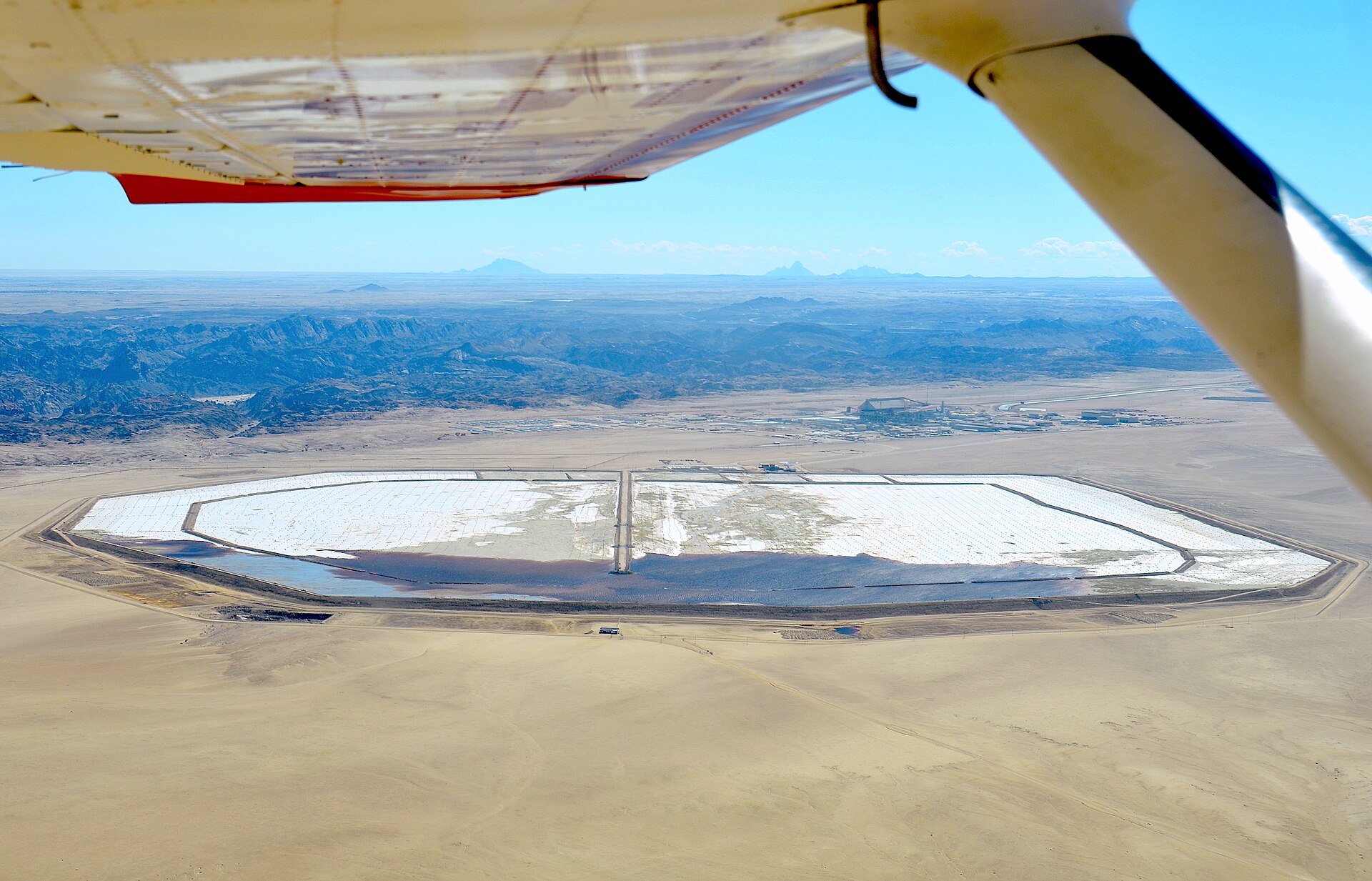
Windhoek — Namibia is one of the world's leading uranium producers and also has diamonds, gold, zinc, copper and rare earth elements. In 2022, Shell and TotalEnergies found sizeable offshore oil reserves, and the country recorded its largest-ever rare earths discovery. As the resources sector grows, so does the need for geoscientists to talk with the communities around mines and boreholes.
Marina Joubert, a science communication researcher at Stellenbosch University, and geoscientist Josephine Uushona interviewed 13 Namibian geoscientists aged 30 to 40, working in government, industry and universities. It is one of the first studies of how geoscientists in Africa see public engagement.
Motivated, and ready to learn
Many were strongly committed. "It is the responsibility of geoscientists to inform communities about the impact of mining on the environment, to present both sides of the story. If not us, who?" one said. Another wanted to inspire young people who may never have met a geoscientist who looks like them.
Eight said scientists could learn from communities, and eight said the public should have a say in decisions on mining and exploration. All felt confident speaking to the public, though most said they would benefit from training.
What would help
Most saw engagement as explaining rather than listening; only two described it as a two-way exchange. The researchers say trust grows through dialogue, in local languages such as Oshiwambo, Khoekhoegowab, Otjiherero and Rukwangali, and with respect for local knowledge. They also call for outreach to be recognised and rewarded at work.
Source: The Conversation, 4 November 2026.