KENYA: Ruto Steps Up 2027 Re-election Strategy as Raila’s Former Allies Gain Political Influence
With Kenya's 2027 presidential election approaching, President William Ruto is working to strengthen his political support across key regions, while influential figures associated with the late Raila Odinga continue to shape the country's evolving political alliances.
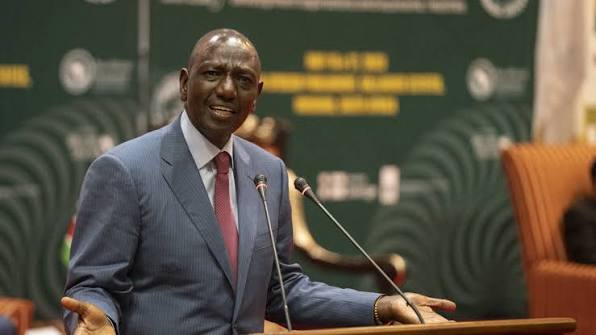
Nairobi, Kenya — Kenya's political landscape is undergoing a significant realignment as President William Ruto intensifies efforts to secure another presidential term in the 2027 general election, with former allies of the late opposition leader Raila Odinga emerging as important figures in the country's changing power structure.
Ruto's strategy increasingly centres on strengthening his influence in regions that could determine the outcome of the next election, particularly Western Kenya, Nyanza and the Coast. These areas have traditionally maintained strong political connections with Raila, whose influence extended well beyond his home region.
Since entering into a political understanding with Raila before his death in October 2025, Ruto has incorporated several figures associated with the former prime minister into his administration. Among them are Ali Hassan Joho, Wycliffe Oparanya, Opiyo Wandayi and John Mbadi, who occupy important positions in government.
Their involvement has helped reshape political relationships between the ruling United Democratic Alliance (UDA) and the Orange Democratic Movement (ODM), Raila's former political party.
However, maintaining this partnership has become more complicated following Raila's death, as disagreements within ODM have emerged over whether the party should continue supporting Ruto's administration or pursue a different political direction ahead of 2027.
Ruto has continued reaching out to communities that formed part of Raila's traditional support base, combining development announcements, infrastructure commitments and political engagements with efforts to strengthen his grassroots presence.
His activities in Western Kenya, for instance, have included promises of investments, road construction, improved electricity access and the development of local markets.
Nevertheless, the President faces growing political competition. Nairobi Senator Edwin Sifuna and the Linda Mwananchi movement have attracted attention, particularly among younger Kenyans and sections of the electorate dissatisfied with the current political establishment.
A November 2026 survey by Trends and Insights for Africa (TIFA), cited by The Standard, placed Ruto and Sifuna at 31 per cent each in a national presidential preference poll, suggesting a potentially competitive political environment.
The regional figures also indicated challenges for Ruto in Western Kenya, where Sifuna was reported to have 55 per cent support compared with the President's 25 per cent.
Meanwhile, the absence of Raila has left a political space that different leaders and factions are seeking to influence. While some former allies continue to support cooperation with Ruto, others are advocating greater independence for ODM and a stronger opposition position.
As the 2027 election approaches, the contest will increasingly depend on how effectively political leaders build alliances, respond to public concerns and convince voters that their programmes offer practical solutions to the country's challenges.
For Ruto, retaining the support of Raila's former political networks could prove important, but the changing loyalties within Kenya's political establishment mean that the outcome of the next election remains uncertain.
Sources: The Standard, Brian Kisanji, November 22, 2026; The Star, November 2026; Daily Nation, October 15, 2026.