Koutammakou: the mud tower-houses that became a symbol of Togo
The Batammariba still prefer to live in these homes, on a landscape UNESCO listed in 2004 and extended in 2023.
Lire cet article en français →
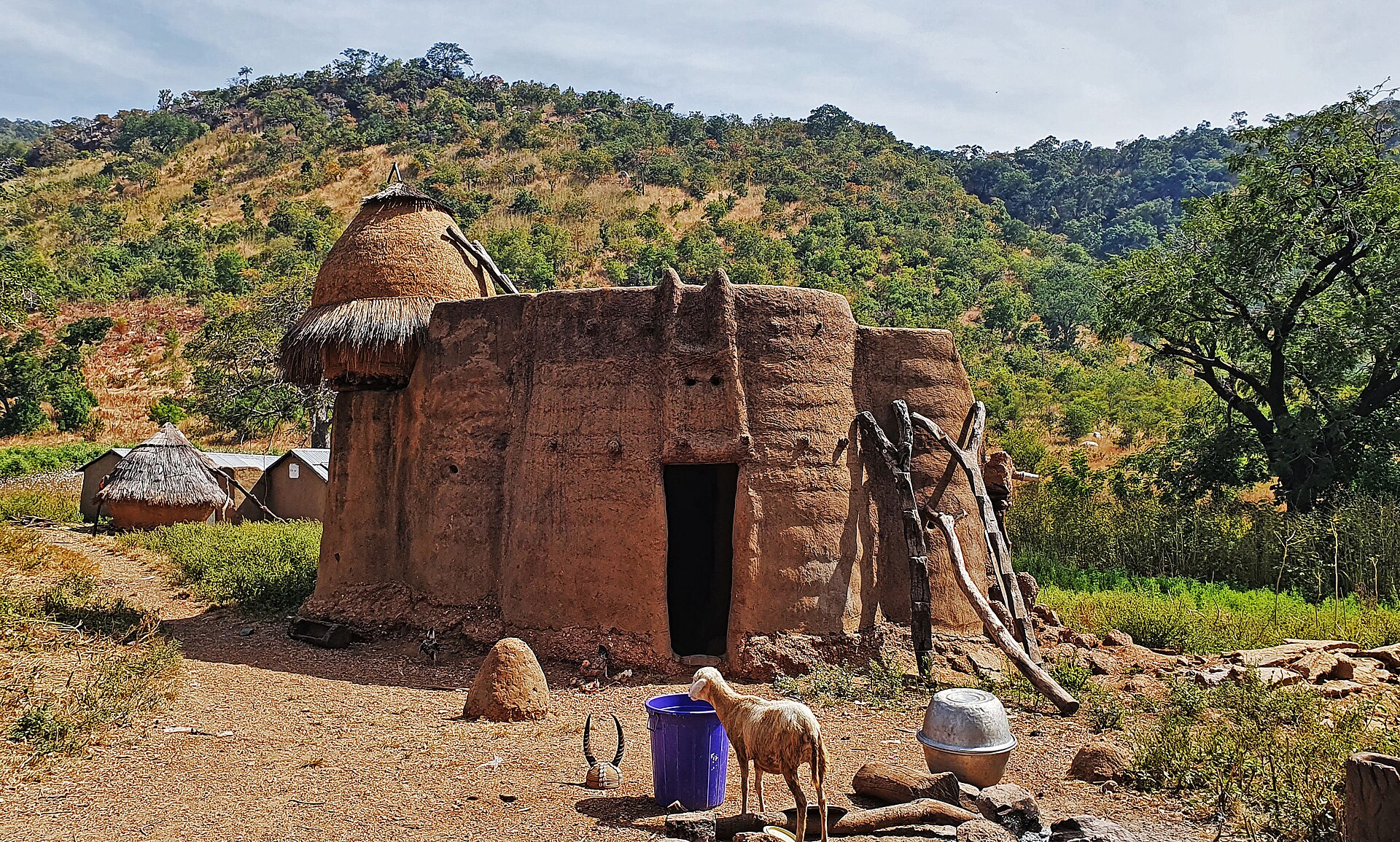
Koutammakou — In northern Togo, along the border with Benin, families still live in tall houses of mud. In Koutammakou, the Land of the Batammariba, these homes remain the preferred way of living, and they have become a national symbol of Togo.
Houses with a meaning
Many have two floors and some have flat roofs. They reflect the animistic beliefs and traditions of the community. The Tammari people migrated to the area in the 17th or 18th century and have lived there for hundreds of years.
A living heritage
UNESCO listed the cultural landscape as a World Heritage Site in 2004 and extended it in 2023.
The listing covers more than buildings. In 2008, UNESCO set up a programme to safeguard Batammariba intangible heritage, coordinated by Togo's ministries of culture and primary education. It aims to pass skills from one generation to the next, including:
- making everyday and ceremonial objects
- traditional healing and knowledge of useful plants
- building the traditional houses
- dance, music, archery and oral traditions
- tourism that respects local traditions
Weather is a test
Mud building needs care. Heavy rain in August 2018 damaged homes and intangible heritage, and UNESCO sent an emergency mission that October to assess the damage.
Background: Wikipedia.