Léopold Sédar Senghor: the poet who became Senegal's first president, and chose to step down
Born in Joal in 1906, he co-founded Négritude, wrote the national anthem and was the first African elected to the Académie française.
Lire cet article en français →
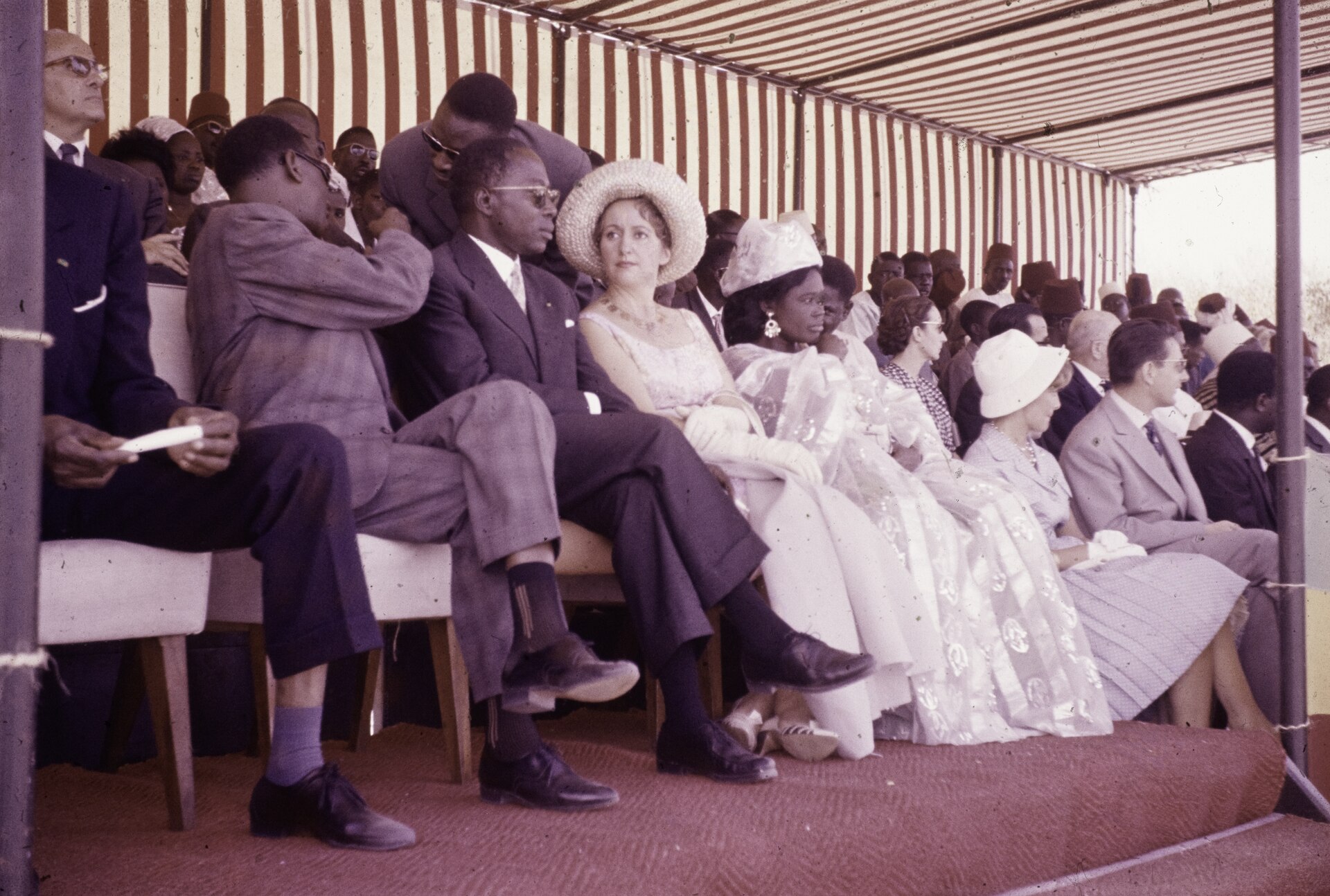
Dakar — Léopold Sédar Senghor was a poet, a thinker and the first president of independent Senegal, from 1960 to 1980. He is regarded by many as one of the most important African intellectuals of the 20th century.
From Joal to Paris
He was born on 9 October 1906 in Joal, about 110 kilometres south of Dakar, the son of a prosperous Serer peanut merchant. He studied in Dakar and Paris and in 1935 passed the agrégation, France's highest teaching examination. In 1940, serving in the French army, he was taken prisoner by the Germans.
Négritude
With Aimé Césaire of Martinique and Léon Damas of French Guiana, Senghor created Négritude, a movement that set out to assert and celebrate African culture, values and aesthetics at a time when colonial powers denied them. His poetry, from Chants d'ombre (1945) onwards, is seen as the movement's high point. He also wrote the words of Senegal's national anthem.
President
Senghor founded the Senegalese Democratic Bloc in 1948 and led Senegal to independence. His presidency had its critics: after a rift with prime minister Mamadou Dia in 1962, he governed a one-party state until he allowed opposition parties back in 1976. But on 31 December 1980, before the end of his fifth term, he did something rare at the time: he stepped down voluntarily and handed power to his prime minister, Abdou Diouf. Diouf himself later left office peacefully, a tradition Senegal still prizes.
The academician
Senghor backed the creation of the Francophonie, the community of French-speaking countries. In 1983 he became the first African elected to the Académie française. He died in France on 20 December 2001.
Background: Wikipedia.