Maps that find missing children: how eHealth Africa helped vaccination campaigns reach 23 million Nigerian children
Satellite settlement mapping, digital campaign planning and vaccine tracking are helping teams reach communities missing from official maps.
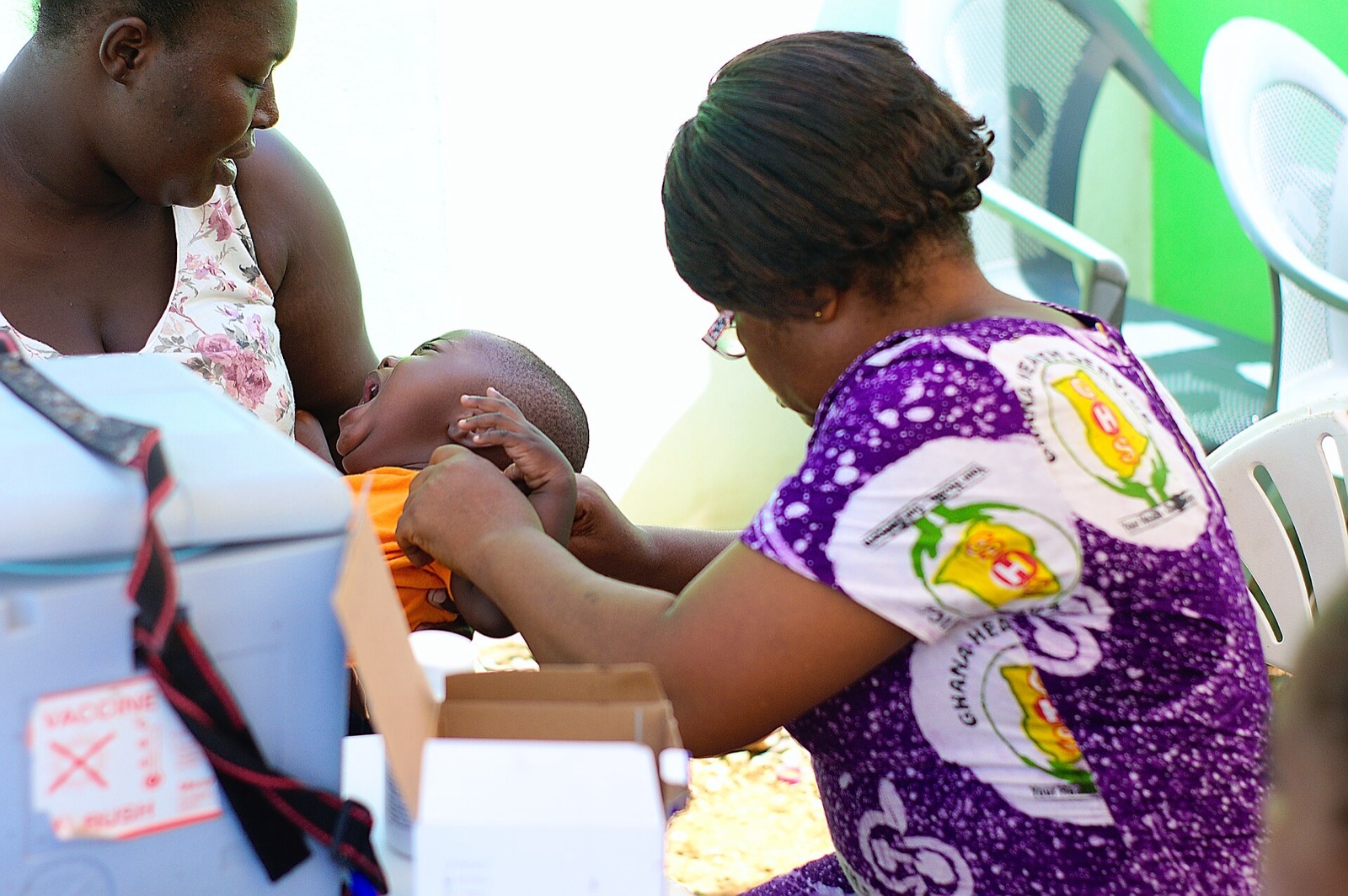
PANM — In the first half of 2026, vaccination campaigns supported by the non-profit eHealth Africa reached more than 23 million children in over 205,000 settlements across Nigeria, according to its mid-year report, TechCabal reported.
The work matters because Nigeria had the world's largest number of "zero-dose" children in 2023: about 2.1 million, or 24% of its 8.7 million babies under one, had not received a single routine vaccine, according to UNICEF. Many live in remote or hard-to-reach settlements that are missing from the maps used to plan campaigns.
From hand-drawn maps to GIS
For more than a decade, eHealth Africa has supported Nigeria's immunisation programmes with geospatial settlement mapping, digital campaign planning through its PlanFeld tool, and tracking of vaccine delivery. Its maps record each settlement's location, whether it is inhabited, how to reach it, its leadership, and nearby schools, markets and places of worship.
"We've gone from hand-drawn maps to GIS maps. So it has helped us to be able to correctly identify the settlements and the missed communities in the field," said project manager Nnenna Ohaeri.
Leaders still matter
Traditional leaders remain central. "No matter how small a community is in northern Nigeria, they have a leader, and that leader is as important to us as somebody within the traditional system," said Abubakar Shehu, who leads the organisation's disease prevention work. Mapping also helps when a settlement in one local government area is easier to reach from a neighbouring one, for example across a river.
TechCabal noted that the tools will last only if Nigerian institutions can fund, run and maintain them.
Source: TechCabal, 12 November 2026.