Most East African migrants never head for Europe, an Addis Ababa researcher finds
About 87% of the 8.5 million international migrants in East Africa and the Horn come from within the region. Policy, says Girmachew Adugna, has not caught up.
Lire cet article en français →
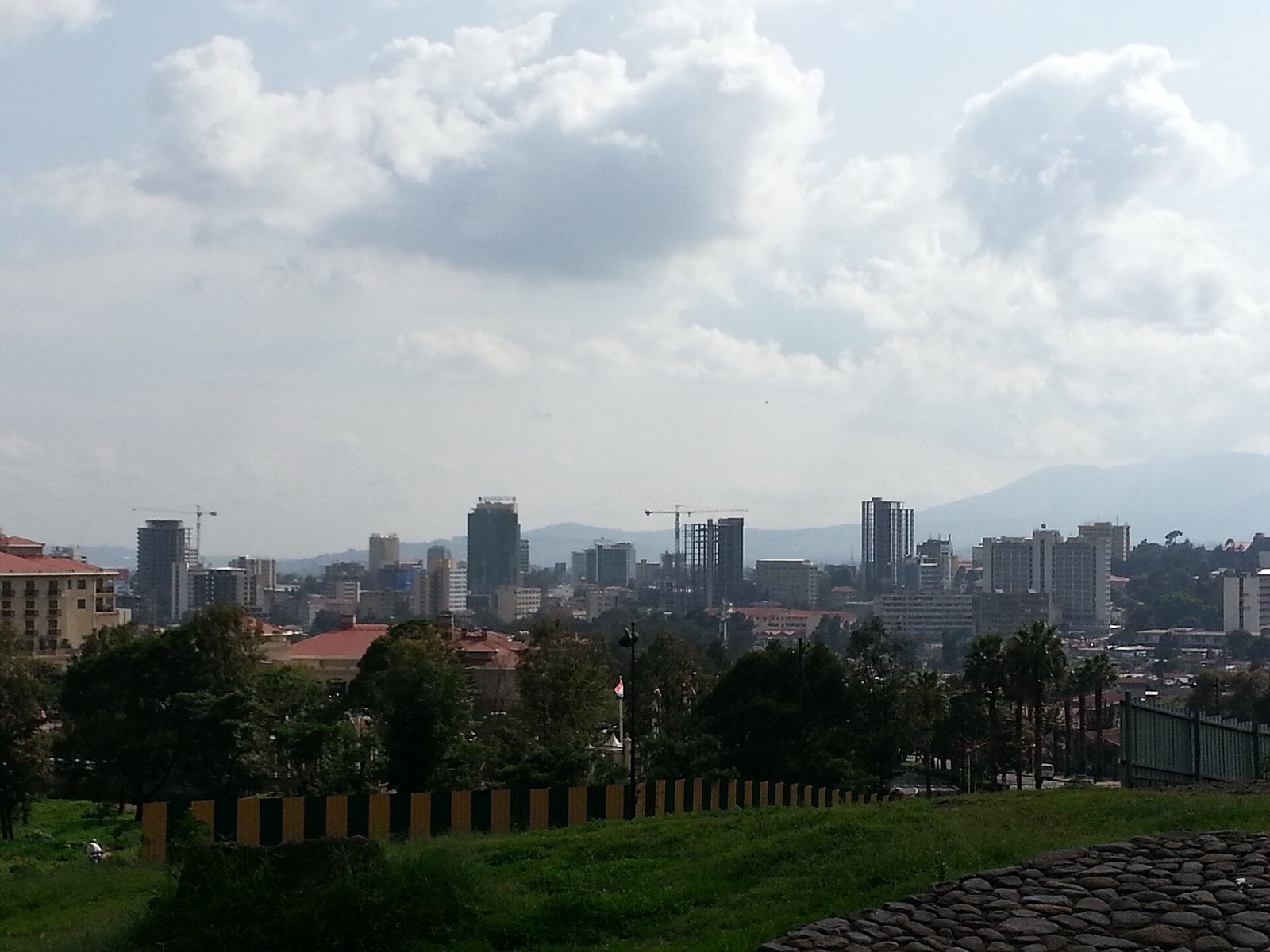
Addis Ababa — Migration from East Africa and the Horn is usually told as a story of journeys north, through Sudan and Libya and across the Mediterranean. The numbers tell a different story.
About 87% of the 8.5 million international migrants in East Africa and the Horn of Africa come from within the region, writes Girmachew Adugna, an advisory board member at Addis Ababa University's Research Center for Forced Displacement and Migration Studies. People move for work, family, study, trade and safety, and most stay close to home or go to the Gulf or southern Africa.
A region of destinations
East Africa also receives large numbers of people. UN Refugee Agency figures for 2026 show Uganda hosting about 2.05 million refugees and asylum-seekers, Ethiopia 1.02 million and Kenya 879,000.
Cost shapes the routes. Adugna cites estimates that travelling from Ethiopia to Europe costs about US$10,000, the southern route to South Africa about US$4,800, and eastern routes to the Gulf about US$700. The poorest, Adugna notes, often cannot afford to migrate far at all.
What the study recommends
Adugna interviewed officials, diplomats, researchers, international organisations and migrant associations. The research found policy focused heavily on border control, smuggling and returns, while the voices of migrants and their communities were rarely heard.
Adugna calls for better data on movement within Africa, more local opportunities for young people and more legal routes for skilled and semi-skilled workers. Policymakers, Adugna writes, should ask not only how many people leave, but where they go, why, and for how long.
Source: The Conversation, 11 November 2026.