Nigeria launches a national policy to end period poverty, with clean water, private toilets and affordable pads as the test
The 2026–2030 Menstrual Health and Hygiene policy was unveiled in Abuja. The minister says it will be judged by the daily lives of schoolgirls and women farmers.
Abuja — Nigeria has unveiled a National Policy on Menstrual Health and Hygiene Management 2026–2030, to tackle period poverty, stigma and the barriers that keep women and girls from managing their periods safely, the News Agency of Nigeria (NAN) reported.
Minister of Women Affairs and Social Development Hajiya Imaan Sulaiman-Ibrahim launched the policy on Thursday in Abuja at the 2nd National Summit on Menstrual Health and Hygiene Management. The Federal Executive Council approved it on 28 October.
How success will be measured
The minister said the policy will be judged by real improvements in daily life, especially access to clean water, private toilets, affordable sanitary products and accurate health information.
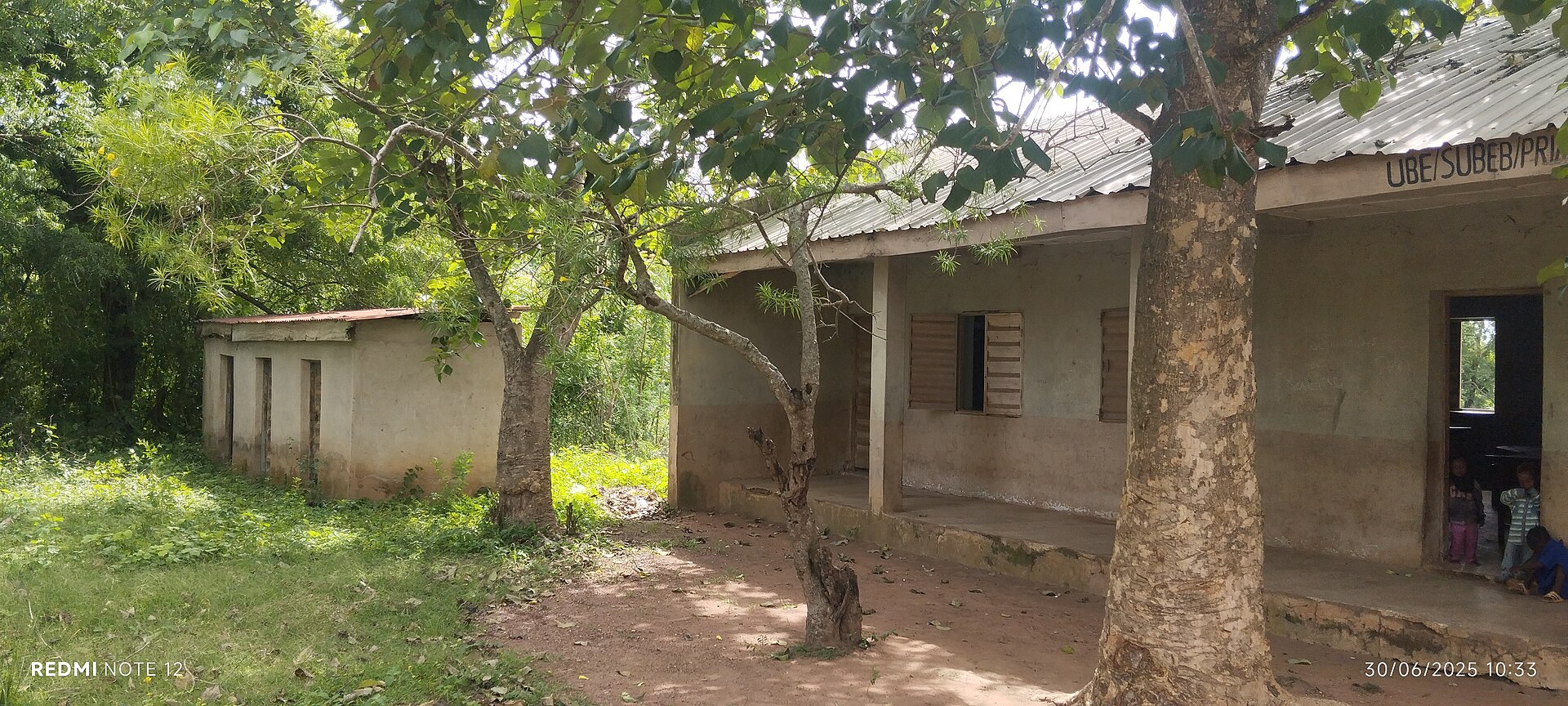
"For the rural schoolgirl in Gusau, Gboko, or Yenagoa, it must deliver clean running water, private lockable toilets, affordable pads, and accurate health education," she said.
For women smallholder farmers, who she said make up roughly 70% of Nigeria's agricultural workforce, it must mean accessible healthcare and affordable hygiene supplies.
Who wrote it
The policy was developed with Population Services International (PSI), WaterAid Nigeria and a technical working group, after consultations across the six geopolitical zones and a national validation.
It was approved alongside a National Care Policy and Implementation Plan for 2026–2030 and a costed national action plan on ending violence against children.
Source: News Agency of Nigeria, 26 November 2026.