NIGERIAN WOMEN DEMAND GREATER ROLE IN LAND OWNERSHIP AND ECONOMIC DECISION-MAKING
Women leaders in Nigeria are calling for stronger representation in policymaking and improved access to land and property rights, arguing that women's economic participation is essential to Africa's sustainable development.

Abuja, Nigeria — ABUJA, NIGERIA – Women leaders and development advocates in Nigeria have urged the Federal Government to strengthen women's involvement in decisions affecting their economic opportunities, particularly in land ownership, property rights and national development policies.
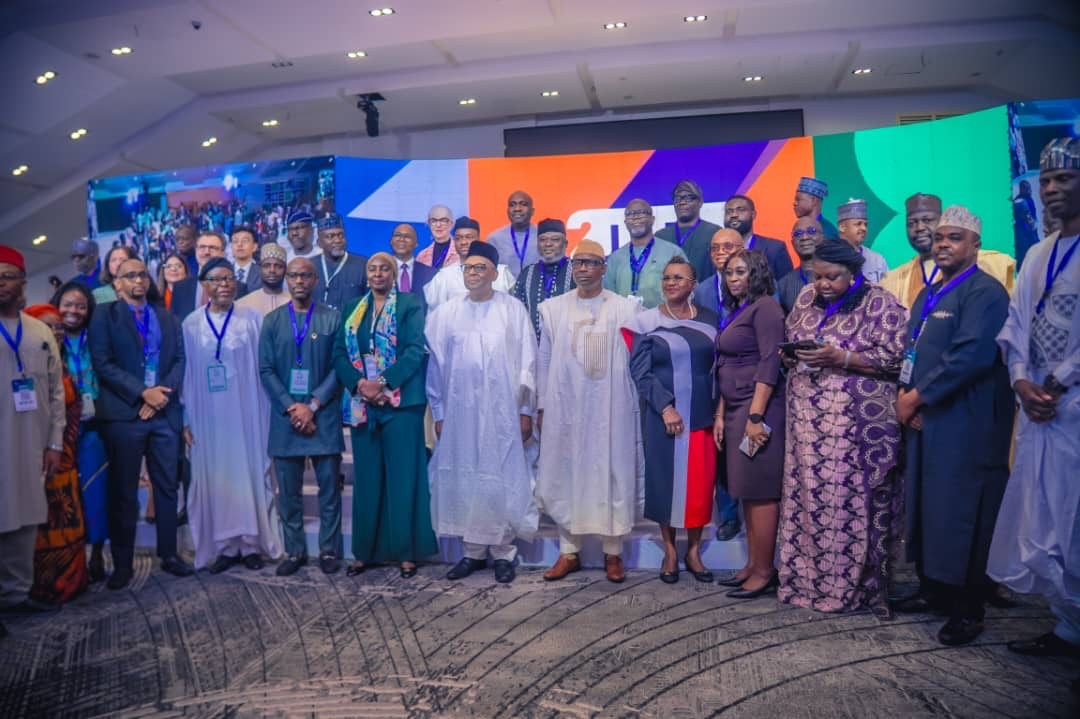
The call was made during the WIM Top50 Global Economic Forum and Awards, organised by Women in Management Africa in Lagos on November 10, 2026. The event brought together women professionals and leaders from Nigeria and other countries to discuss Africa's growing economic influence and the role of women in driving development.
Chairperson of Women in Management Africa, Dr Ngozi Oyewole, stressed the importance of ensuring that women are directly involved in developing policies that affect their lives. She identified access to land and property ownership as major areas requiring attention, noting that cultural and religious barriers continue to limit opportunities for many women.
She also called for greater recognition of women living in communities affected by insecurity, particularly those whose contributions to agriculture and local economic activities are often overlooked.
According to Oyewole, rural women, especially farmers, play a significant role in sustaining food production and supporting Nigeria's economy.
Founder of Women in Management, Dr Sulochana Segera, also encouraged African women to expand their businesses beyond national borders and take advantage of international trade opportunities.
She highlighted the importance of connecting women entrepreneurs with wider markets, enabling them to showcase their products, develop partnerships and compete in the global economy.
Meanwhile, Joan Idonije, Chairperson of the Governing Council of the Maryam Babangida National Centre for Women Development, outlined several government initiatives aimed at improving the welfare and economic participation of women and girls.
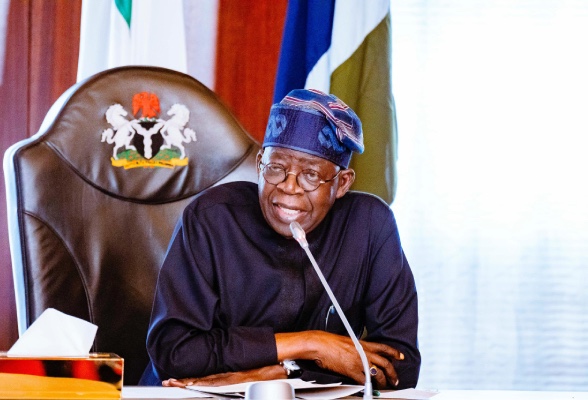
She disclosed that President Bola Ahmed Tinubu had approved three national policy instruments on October 28. These include the National Care Policy, an action plan to address child marriage, and the National Policy on Menstrual Health and Hygiene Management.
The government is also working to establish sanitary pad banks in rural communities to help girls maintain regular school attendance.
Idonije further revealed that the National Gender Policy is undergoing a review to guide the country's gender equality and development priorities beyond 2026.
The discussions also highlighted the need to address emerging challenges, including technology-facilitated gender-based violence, climate resilience and women's participation in strategic sectors of the economy.
The forum reinforced the importance of moving beyond discussions about women's empowerment towards practical policies that improve access to resources, strengthen leadership and create sustainable economic opportunities.
For Nigeria and the wider African continent, greater inclusion of women in economic and political decision-making remains an important part of achieving equitable and sustainable development.