Second-life batteries and solar cold rooms: ten clean-power projects win UK backing in eight African countries
More than £2 million will help companies in Kenya, Nigeria, Rwanda and elsewhere replace diesel generators at clinics, phone masts, farms and fishing harbours.
PANM — Ten clean energy projects in eight African countries are to share more than £2 million from the British government's Ayrton Fund, with the aim of moving technologies that already work in trials into wider use, Capital FM reports.
The money is channelled through the ZE-Gen Scale-up Fund, which backs alternatives to diesel generators. The projects are in Kenya, Uganda, Rwanda, Tanzania, Madagascar, Nigeria, Mozambique and Lesotho.
What is being funded
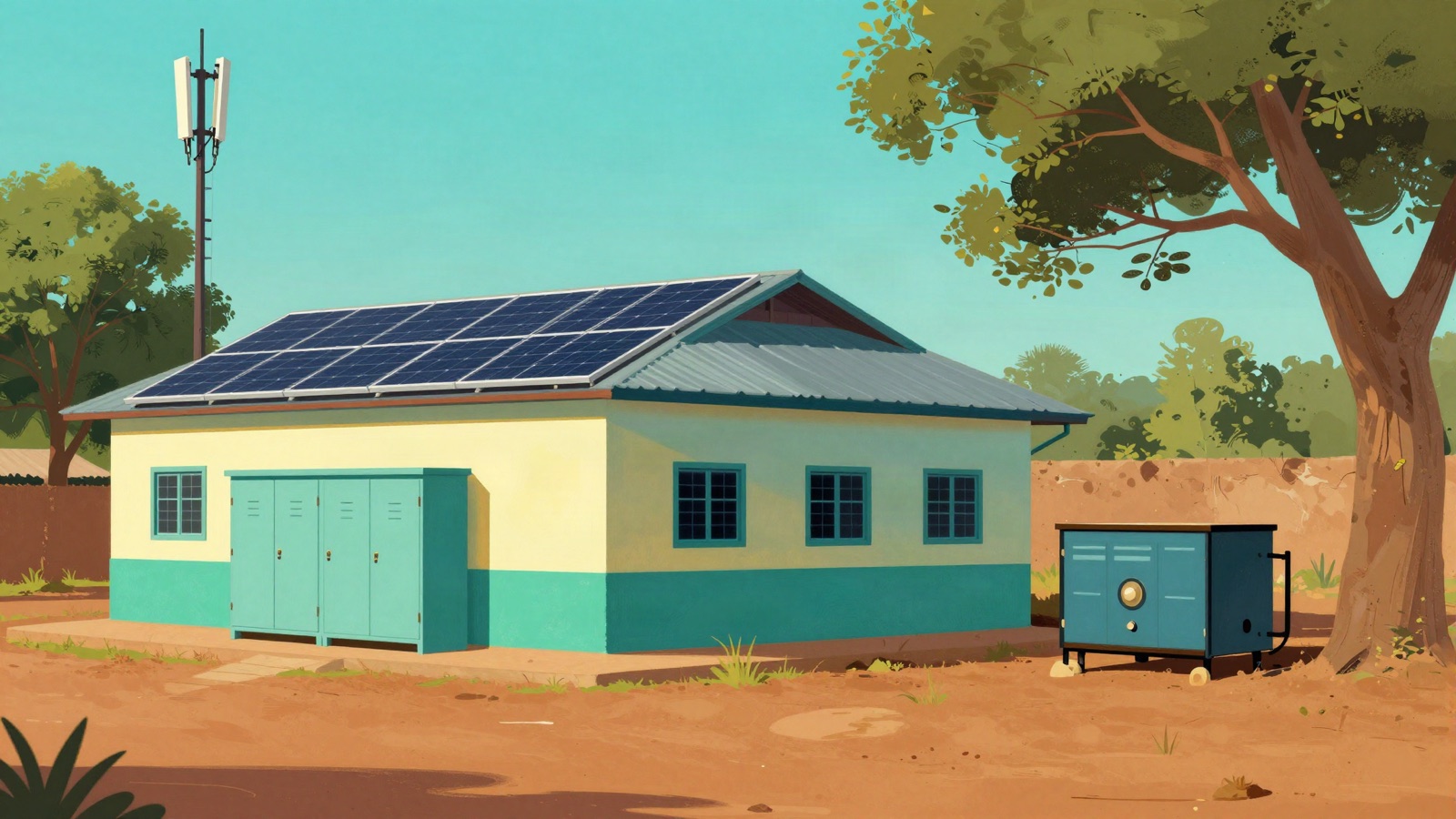
Several of the projects centre on batteries. In Kenya, Acele Africa will install modular battery systems for health facilities and businesses, and SHIELD, a company spun out of the University of Oxford, will help hospitals switch from diesel to solar and storage. In Uganda, the British firm AceOn will put sodium-ion batteries, which use no lithium, into telecoms and health sites. In Rwanda, SLS Energy will give used electric vehicle batteries a second life powering phone masts.
Others are aimed at food. In Nigeria, Farm Warehouse will install 100 solar-powered cold storage units and KAMIM Technologies will set up four agricultural hubs. In Mozambique, Gommyr is building fishing hubs run on solar power with refrigeration.
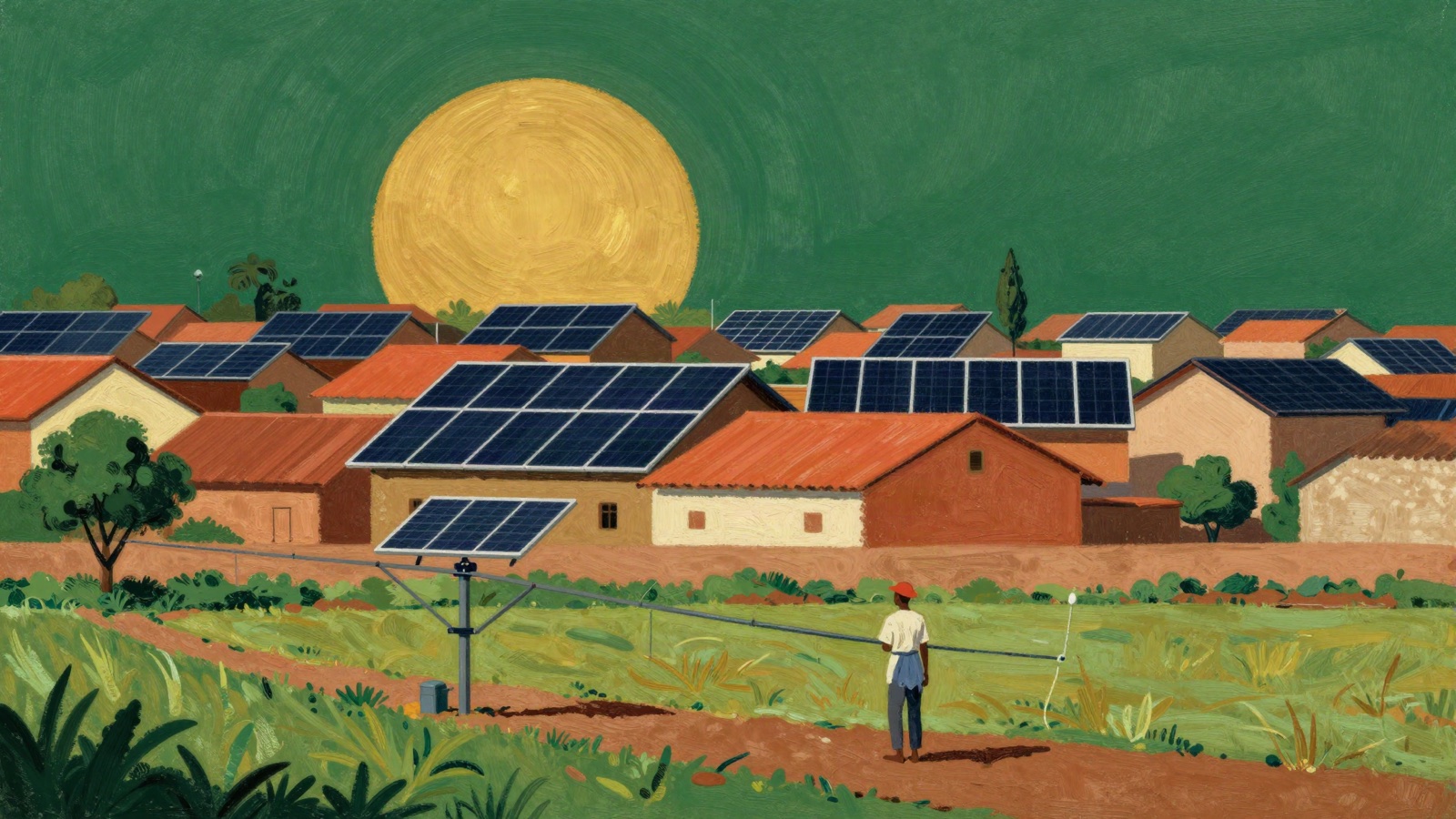
Simusolar will finance solar equipment for rural businesses in Tanzania and Uganda, Nanoé will extend its small solar grids for households in Madagascar, and Vittoria Technology will test modular batteries on mini-grids in Lesotho.
From pilot to scale
Lily Beadle, programme director at ZE-Gen, said the fund is designed to help companies move from pilot projects to larger deployments.
The sums are small beside the continent's energy needs. The interest is in the model: diesel generators still back up much of Africa's health care, telecoms and food storage, and each of these projects targets a place where they could be replaced.
This report is based on reporting by Capital FM, via AllAfrica.