Sending money home for Christmas? Seven ways to cut the cost
The world's average cost of sending $200 was 6.36% in late 2025, more than double the UN's 3% goal. Here is how diaspora families can keep more of what they send.
Lire cet article en français →
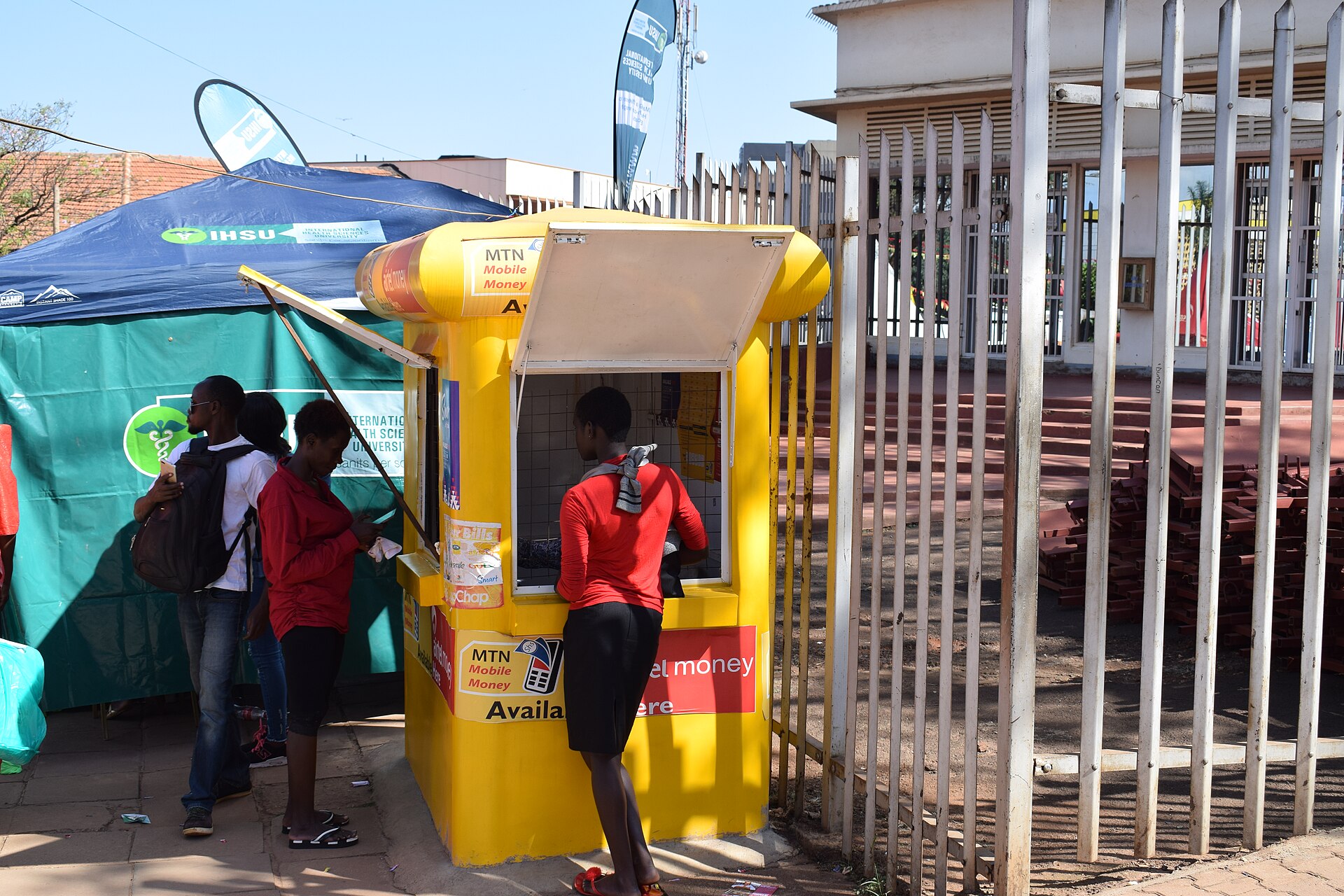
PANM — Money sent home by Africans abroad pays school fees, builds houses, keeps businesses going and carries families through hard months. Remittances are one of the largest flows of money into many African economies. But sending them is still expensive: according to the World Bank, the global average cost of sending $200 was 6.36% of the amount in the third quarter of 2025. The United Nations' Sustainable Development Goals aim to bring that below 3% by 2030.
Before the December rush, here are seven ways to keep more of your money working for your family.
1. Compare the total cost, not just the fee
A "zero fee" transfer can still be costly if the exchange rate is poor. Check how much your family will actually receive in naira, cedis, CFA francs or shillings, and compare that number across providers. The World Bank's Remittance Prices Worldwide website compares costs on many routes.
2. Go digital
Online and mobile transfers have grown fast and are often cheaper than handing over cash at a counter.
3. Send to a mobile wallet or bank account
In many African countries, money can land directly in a mobile money wallet or bank account, which is often faster and cheaper than cash pick-up.
4. Send less often, in larger amounts
Fixed fees take a bigger bite out of small transfers. One planned monthly transfer can cost less than several small ones.
5. Watch the timing
Exchange rates move. If you can, avoid sending in a rush on the busiest days before holidays.
6. Use regulated providers only
Use licensed banks and money transfer companies. Informal channels may look cheaper, but you have little protection if the money goes missing.
7. Beware of scams
Never send money to someone you have not verified, and be wary of urgent messages asking for a transfer, even from a familiar number. Call the person first.
Keep your receipts: they help if something goes wrong, and may be needed for tax or immigration records.
Background: Wikipedia.