Senegal's anti-gay law has led to hundreds of arrests
Human Rights Watch documents forced HIV tests, leaked medical records and lawyers too afraid to take cases, weeks before Dakar hosts the Youth Olympics.
Dakar — Senegal has arrested hundreds of people in a crackdown on same-sex relations since February, forcing many of them to take HIV tests and leaving some without lawyers, Human Rights Watch says in a report published on Monday.
The organisation is calling on the government to stop the arrests. It notes that Dakar is about to host two international events: a session of the African Commission on Human and Peoples' Rights, from 12 to 21 October, and the Youth Olympic Games, from 31 October to 13 November, the first Olympic event held in Africa.
The law
Same-sex conduct has been a crime in Senegal since 1965. On 11 March 2026, parliament toughened the law by 135 votes to none, with three abstentions.
- The maximum prison sentence was raised to 10 years.
- Fines rose from 2 million to 10 million CFA francs, roughly $3,000 to $17,000.
- A new offence of promoting homosexuality, or supporting or financing LGBT people and organisations, carries up to seven years.
- Judges are told not to suspend sentences or go below the minimum.
President Bassirou Diomaye Faye and Ousmane Sonko had promised during the 2024 election campaign to strengthen the law.
The arrests
The Senegalese rights group RADDHO recorded at least 212 arrests between February and July. Human Rights Watch says it could not verify the total independently. Another organisation, the HIV Justice Network, puts it above 300.
Most were made by the gendarmerie in Keur Massar, on the edge of Dakar. Security officials said arrests followed from seized phones, accusations by third parties or raids.
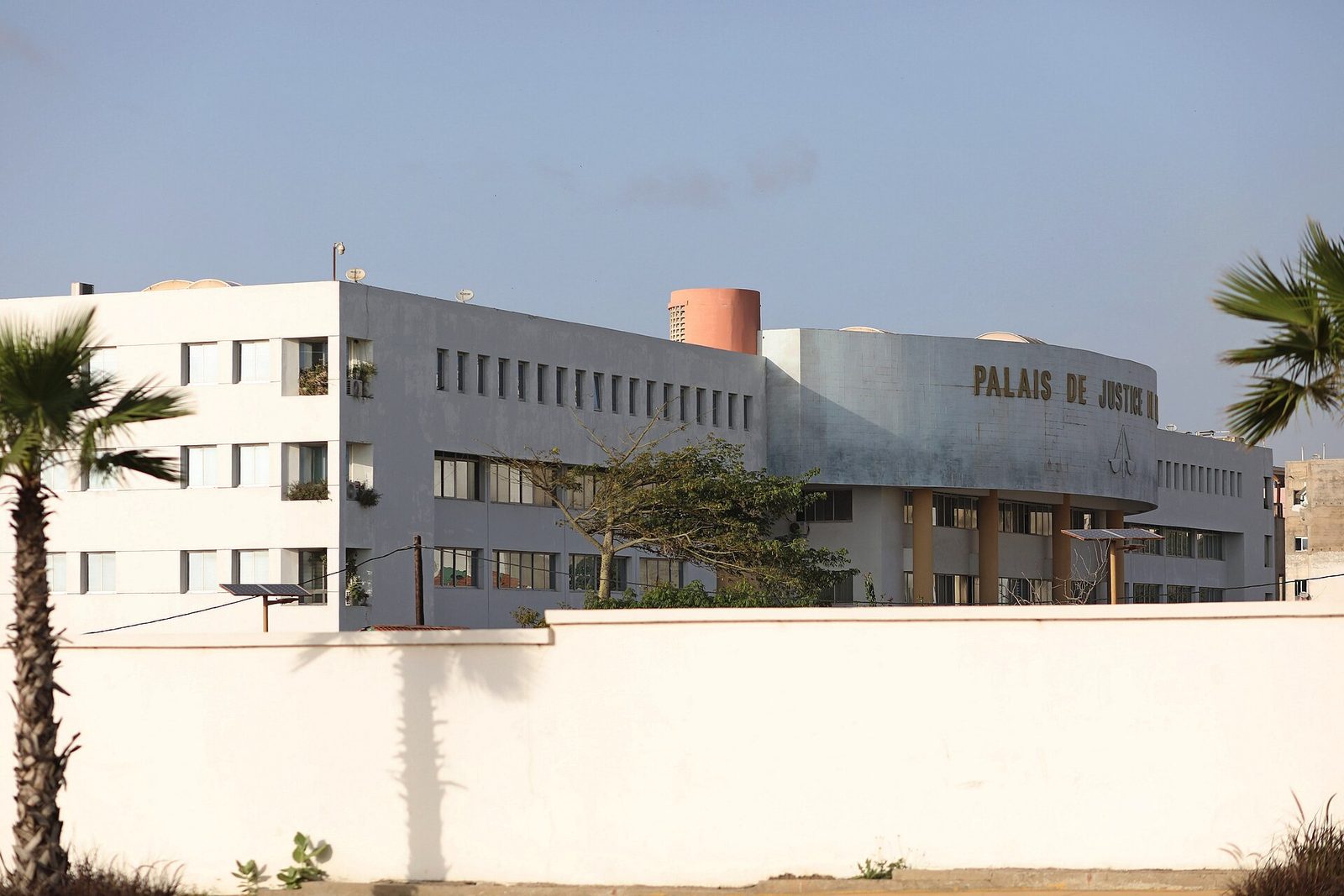
In August, a court in Pikine-Guédiawaye closed its investigation into 99 people. It dropped 28 cases and sent 71 people for trial for criminal association and "acts against nature". It also threw out the charges of deliberately transmitting HIV that had been brought against 82 people.
Only one person is known to have been convicted under the amended law so far: a 24-year-old man sentenced in April to six years in prison. He had no lawyer.
Forced tests and leaks
According to RADDHO and the HIV Justice Network, most detainees have been made to take HIV tests without consent, and positive results were used to add charges. The Keur Massar gendarmerie has said publicly that it required tests. Senegal's own HIV law of 2010 guarantees consent and confidentiality.
Human Rights Watch says that in at least four cases, details in local media matched confidential case files closely enough to suggest leaks.
The effect on public health is already visible, it says. A doctor in Dakar told researchers that a third of patients had stopped coming to HIV treatment appointments.
Lawyers
The new promotion offence has frightened lawyers away from these cases, the report says, and some detainees were pressed to give up their right to counsel.
The government's response
Human Rights Watch interviewed 39 people in May, including detainees, lawyers, health workers and two officials. It wrote to the justice minister and the heads of the gendarmerie and police on 29 September and says it has had no reply.
Among its recommendations: release those detained arbitrarily, refer the law to the Constitutional Council, ban forced HIV testing, and repeal the article.
Source: Human Rights Watch, 12 October 2026.