Sierra Leone, once the world's most dangerous place to give birth, has cut maternal deaths by nearly 80%
Free care for pregnant women since 2010, more trained midwives and home-grown specialists are behind the fall, though poor roads and informal charges remain.
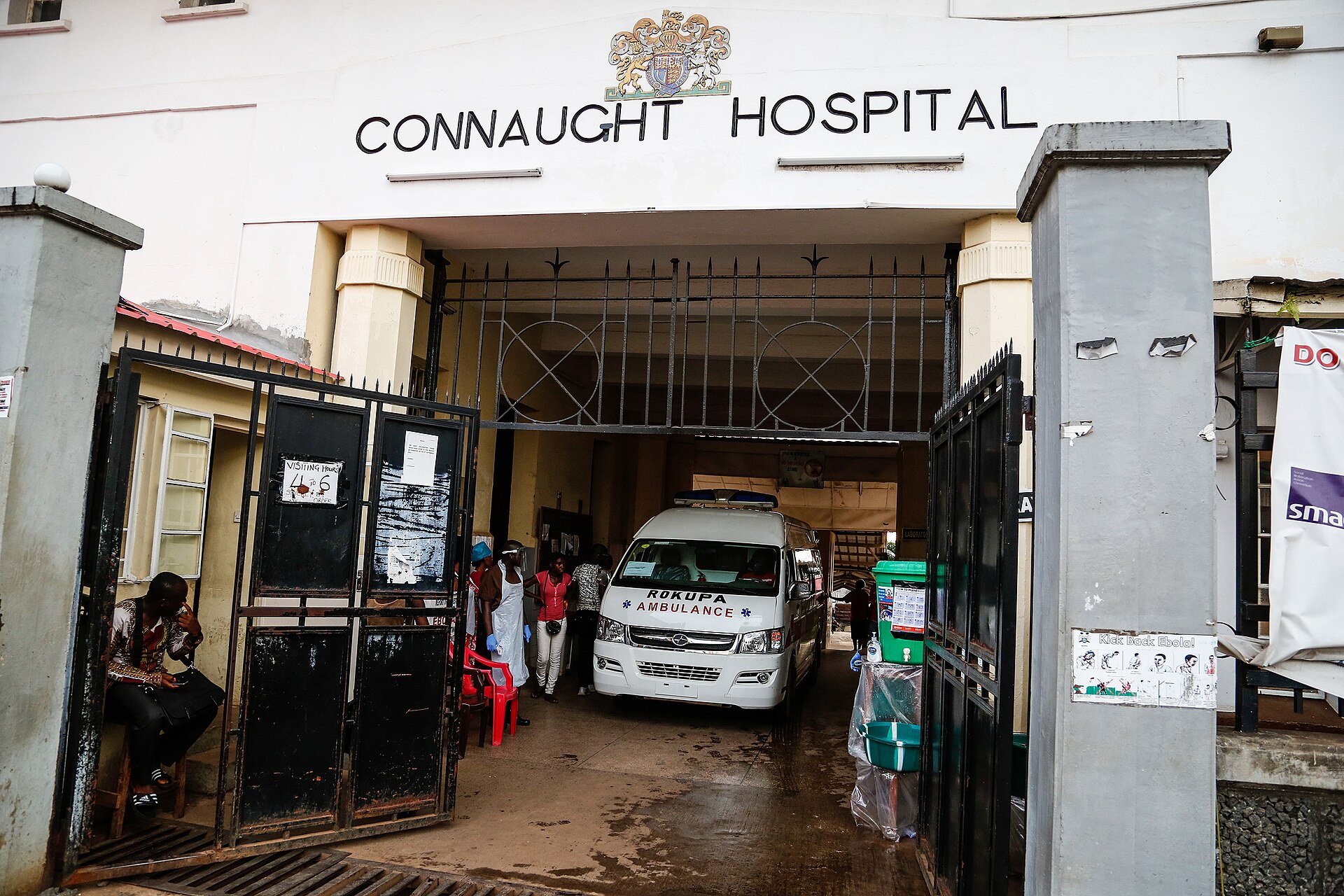
Freetown — Sierra Leone was once ranked as the most dangerous place in the world to give birth. Today, maternal deaths have fallen by nearly 80%, from more than 1,600 per 100,000 live births in 2000 to 354 in 2023, according to UN estimates reported by Africanews.
What changed
The World Health Organization credits expanded health services, the free healthcare initiative for pregnant women in place since 2010, and the training of more skilled birth attendants.
At Freetown's Princess Christian Maternity Hospital, trader Fatmata Kamara, 28 and expecting her third child, said she could not afford scans in her first two pregnancies. "They are giving us more care now than the previous ones," she said.
Midwife Umu Fye said scans that once meant sending patients elsewhere are now done on site, and there is more training and more medicine, including drugs to stop severe bleeding after childbirth, a major cause of maternal death.
Training at home
"We have now shifted from having our specialists being trained in other countries to having homegrown post-graduate training here," said Francis Moses, the Health Ministry's director of reproductive and child health. Last month the ministry reported maternal deaths down 31.3% and child deaths down 12.7% compared with the same period in 2025, based on hospital data. A 300-day campaign launched this year aims to make childbirth safer still.
The work that remains
Some women say public hospitals still charge for services that should be free, and bad roads can stop women reaching emergency care in time. Across Africa, an estimated 180,000 women die each year from causes linked to pregnancy and childbirth.
Source: Africanews, 26 November 2026.