SOUTH AFRICA: Mbeki Urges Global South to Move Beyond Dialogue and Deliver Concrete Development Solutions
Former South African President Thabo Mbeki has challenged African and other Global South leaders to translate international discussions into practical policies, warning that millions of people risk being left behind as the 2030 development deadline approaches.
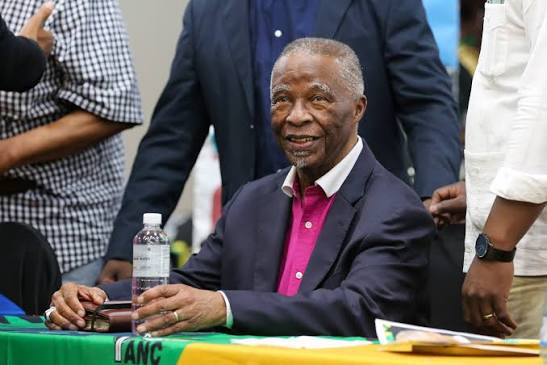
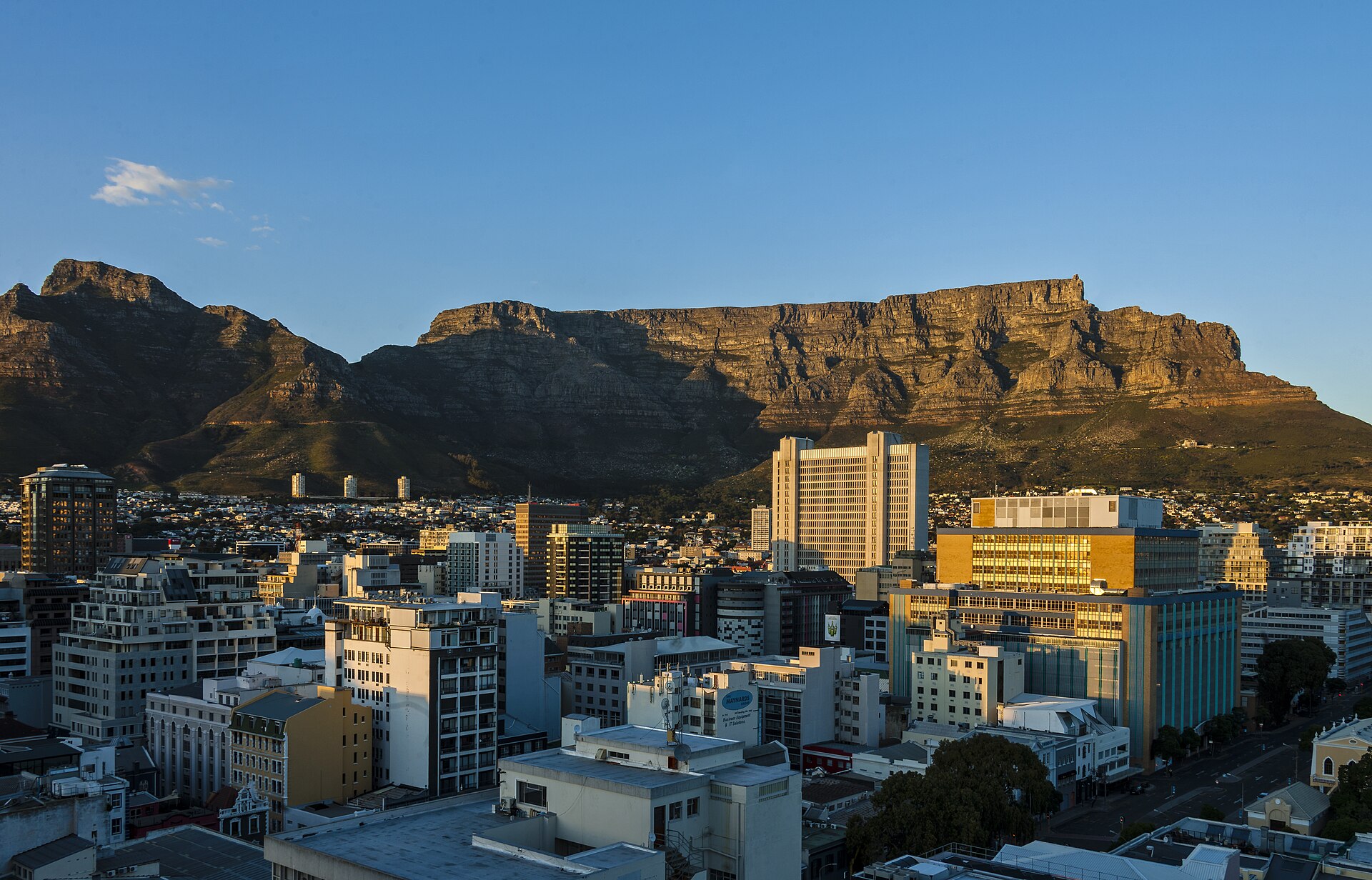
Cape Town, South Africa — Former South African President Thabo Mbeki has called on leaders, policymakers and development experts across the Global South to move beyond high-level discussions and produce practical solutions to the economic and social challenges facing millions of people.
Mbeki made the appeal while delivering the closing address at the fourth Cape Town Conversation, held on November 23 and 24, 2026. The meeting was jointly organised by the Thabo Mbeki Foundation and India's Observer Research Foundation (ORF).
Addressing participants from Africa, India and other parts of the world, the former president questioned the value of repeatedly organising international forums without developing clear recommendations that governments and global institutions could implement.
He argued that discussions on major issues such as infrastructure, international trade, artificial intelligence, development partnerships and global political relations must lead to specific commitments and measurable outcomes.
Mbeki suggested that future editions of the gathering should allocate additional time for participants to develop proposals that could be presented to institutions such as the African Union (AU) and the United Nations (UN).
For him, the ultimate purpose of international cooperation should be to improve people's living conditions, particularly in communities struggling with poverty, hunger, inadequate healthcare and inequality.
He also raised concerns about the slow progress towards the United Nations' 2030 Sustainable Development Goals (SDGs), which include ending poverty and hunger, improving education and healthcare, promoting gender equality and expanding access to clean water and sanitation.
Citing the UN's assessment of progress, Mbeki questioned whether the international community was doing enough to achieve these commitments before the 2030 deadline. He referred to figures indicating that only 15 per cent of the assessed targets were on track to be achieved.
The former president also highlighted the enormous financial requirements for meeting the development goals, pointing to an estimated annual financing gap of four trillion US dollars.
He challenged experts and representatives of international institutions to use their knowledge and influence to identify ways of mobilising the resources needed to address these challenges.
Mbeki further connected the development debate to the growing importance of cooperation between Africa and India, as well as the role of the BRICS grouping in shaping a changing international order.
He stressed that countries of the Global South should not remain passive observers of global political and economic developments but should contribute actively to decisions affecting their future.
The two-day gathering brought together policymakers, business leaders, researchers, civil society representatives and multilateral institutions to examine cooperation, economic transformation, technology, infrastructure and the future of international relations.
As preparations begin for the fifth Cape Town Conversation, Mbeki wants the organisers to place the implementation of the 2030 development agenda at the centre of discussions and ensure that the next meeting produces concrete recommendations.
His message reflects a broader challenge facing developing countries: turning shared ambitions and international partnerships into meaningful improvements in people's everyday lives.
Sources: South African Broadcasting Corporation (SABC News), Yamkela Mtshiyo, November 25, 2026; Inside Politics, Charmaine Ndlela, November 24, 2026; Cape Times, Siphokazi Vuso, November 24, 2026.