South Africa's healers are running out of plants
One in ten of the country's plant species is used as medicine, and 154 of them are at risk. A deputy minister wants healers to grow what they pick.
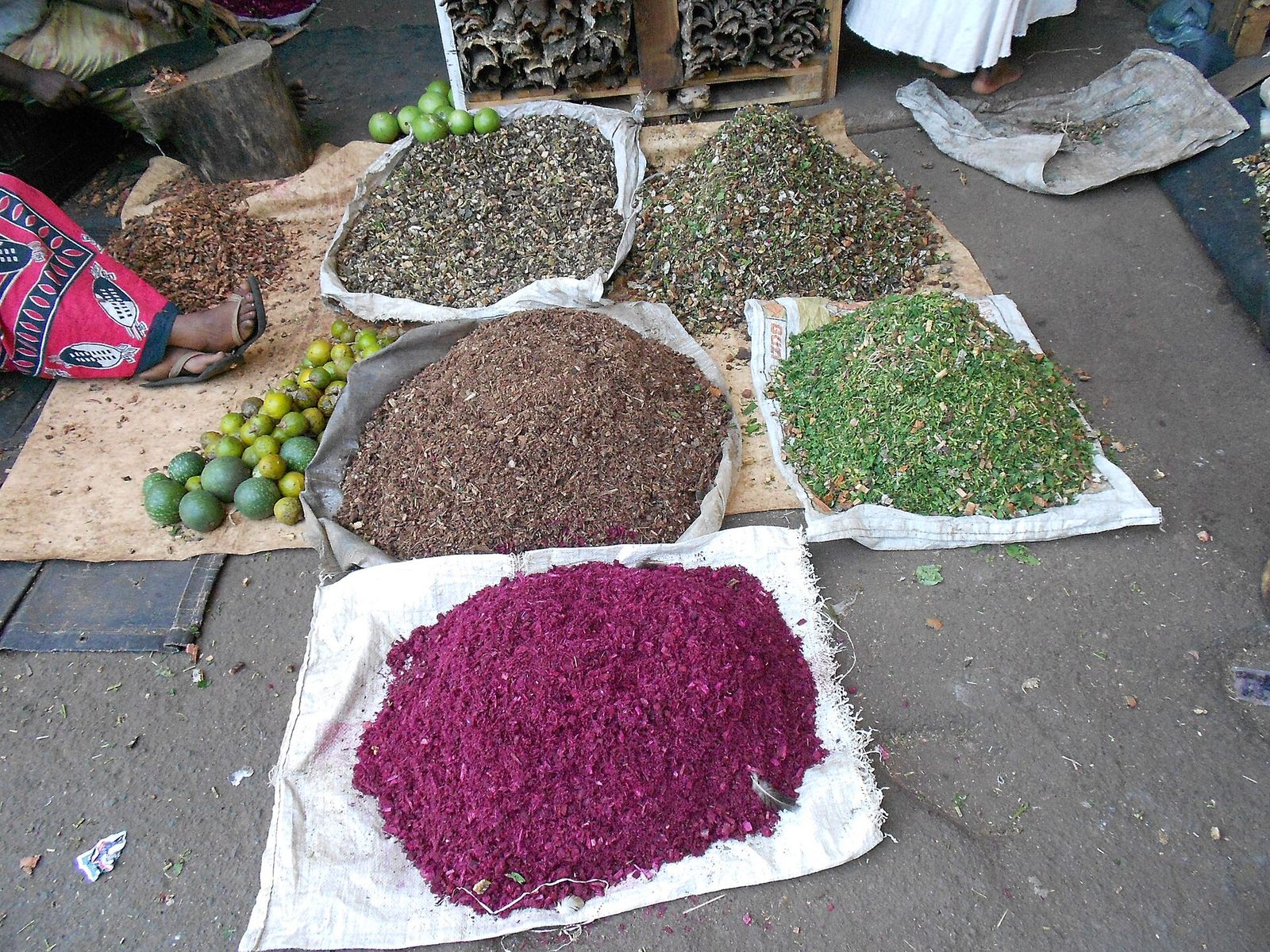
Durban — South Africa's traditional medicine depends on plants that are disappearing from the wild, and the people who use them will have to start growing them, the deputy environment minister has said.
Narend Singh was speaking in Durban on Saturday at a symposium on traditional medicines held jointly with India. His argument was simple: if a plant is lost, the remedy made from it is lost too.
The numbers
- The South African National Biodiversity Institute estimates that 2,062 indigenous plant species are used in traditional medicine, about one in ten of all the country's plant species.
- More than 200,000 traditional health practitioners work in the field.
- The 2024 Red List of threatened plants shows 154 commonly used medicinal species at risk of extinction because of over-use.
- Healers themselves have named 15 plants that are becoming hard to find in the wild.
Mr Singh described traditional medicine as a health system under strain from over-harvesting, drought, climate change, poverty and illegal trade.
From gathering to growing
The answer he proposed is to move from collecting plants in the wild to cultivating them, and to replant what is taken.
A proposed project would give parent plants and horticultural training to 1,800 traditional healers and community members, at least half of them women. It would restore 1,800 hectares of communal land in Limpopo, North West and the Eastern Cape, and map places of cultural importance in the three provinces.
He named the Global Environment Facility as the intended source of funding, and said the money should build something lasting, not a pilot that ends when the workshop does.
The aim is twofold: to keep rare species alive, and to let rural healers find or grow what they need while households earn an income from it.
Who owns the knowledge
Mr Singh also said that the benefits from digital DNA sequence information derived from these plants should be shared fairly and equitably with South Africans.
He asked that supply chains be fair to communities, that knowledge be recorded only with the consent of elders, and that room be made for young people and especially for women.
Source: SAnews, 12 October 2026.