South Africa's school HPV jab has cut cancer-causing infections by 83%
A decade after the drive began, researchers found the benefit holds for girls living with HIV, and even reaches the unvaccinated.
Lire cet article en français →
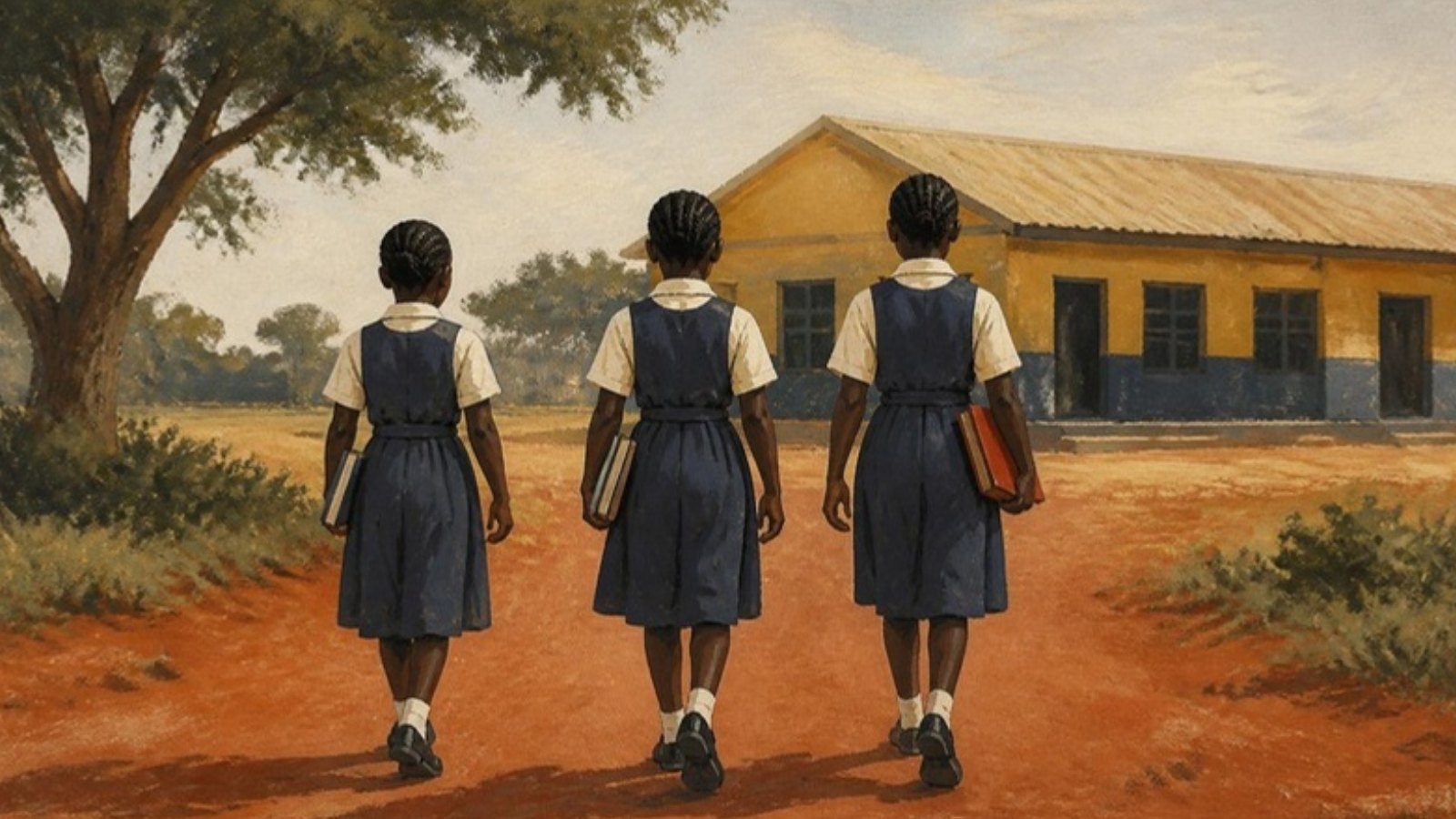
Johannesburg — South Africa began offering the human papillomavirus (HPV) vaccine in public schools in 2014, to grade 4 girls aged nine and over. New research suggests the programme is doing what it was built to do.
Researchers from the University of the Witwatersrand compared girls aged 17 and 18 who were too old for the programme when it began with girls of the same age who had been eligible. The study, in 2019 and 2023, covered 2,357 participants across four provinces. About a quarter were living with HIV.
What they found
- Infections with HPV types 16 and 18, which cause around 70% of cervical cancers worldwide, fell by 83%. Roughly one girl in five carried them before the programme; among eligible girls that fell to about three in 100.
- Among girls living with HIV, these infections fell from 29% to 4%, a drop of 82%.
- Related high-risk types also fell, a sign of cross-protection.
- Girls with no record of vaccination also had much lower rates, which suggests herd protection.
Other HPV types did not fall, which the authors say strengthens confidence that vaccination, and not a change in behaviour, explains the result.
Why it matters beyond South Africa
Cervical cancer can take decades to develop, so it is too early to count fewer cancers. But the authors call the fall in infection a strong early sign. It offers evidence for other African countries with high HIV prevalence that are working to eliminate the disease.
South Africa moved to a single-dose approach in October 2024, and the authors say monitoring must continue.
Source: The Conversation, 19 October 2026.