Africa's fact-checkers: how politics shapes what they can check
Interviews in Cameroon, Kenya, Nigeria and South Africa find no single model, and a shift towards warning people before false claims spread.
Lire cet article en français →
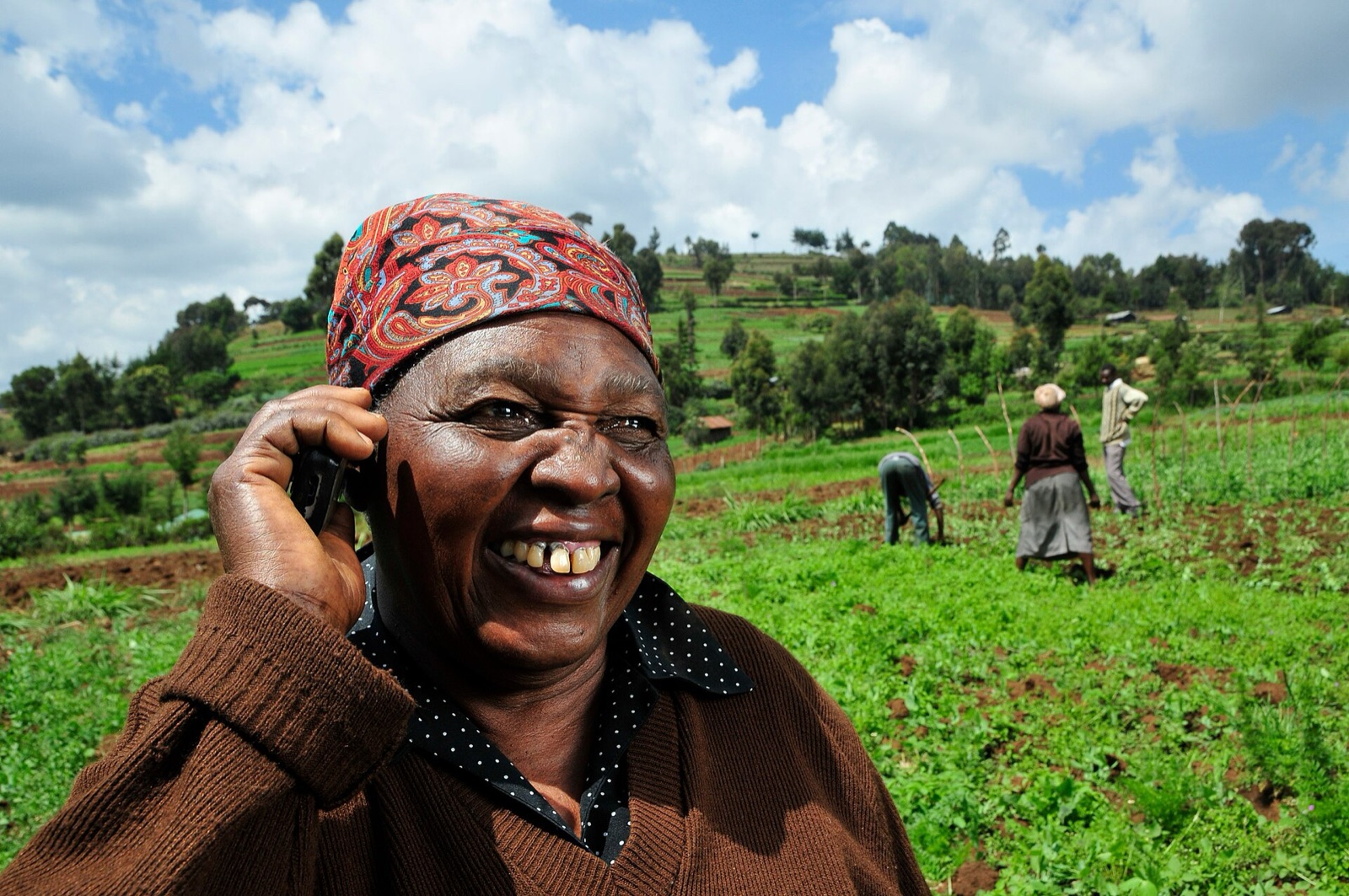
Makhanda — False stories come back every few years: a claim that a vote was rigged before it was held, or an old video of violence presented as breaking news. Millions of Africans now get their news on mobile phones, often in closed WhatsApp groups.
Researchers from Rhodes University, Nnamdi Azikiwe University and Howard University interviewed 19 professional fact-checkers between January and August 2025, in Cameroon, Kenya, Nigeria and South Africa. They found no single "African fact-checker": the political system shapes both the work and how people see it. The sample was small and not meant to represent a whole population.
Four countries, four jobs
- Cameroon: fact-checkers said they mostly stayed away from politics out of fear, and checked claims about accidents, robberies and celebrities instead. The authors describe this as self-censorship.
- Kenya: they saw themselves as helping people take part in democracy and holding leaders to account, while reporting harassment and organised disinformation from government-aligned and opposition groups.
- Nigeria: newer practitioners saw the job as part of journalism, and senior ones as public education. Both reported pressure, legal threats and scarce money.
- South Africa: they saw themselves as filling gaps left by struggling newsrooms, and train journalists, students and community groups.
A shift in method
In all four countries many are moving beyond true-or-false verdicts to "prebunking": warning people about common tricks before they meet them.
The authors call on governments to stop misusing the law against fact-checkers and on officials to answer requests. They also want long-term funding, media literacy in schools and more work in local languages, on radio and in shorter formats.
Source: The Conversation, 25 October 2026.