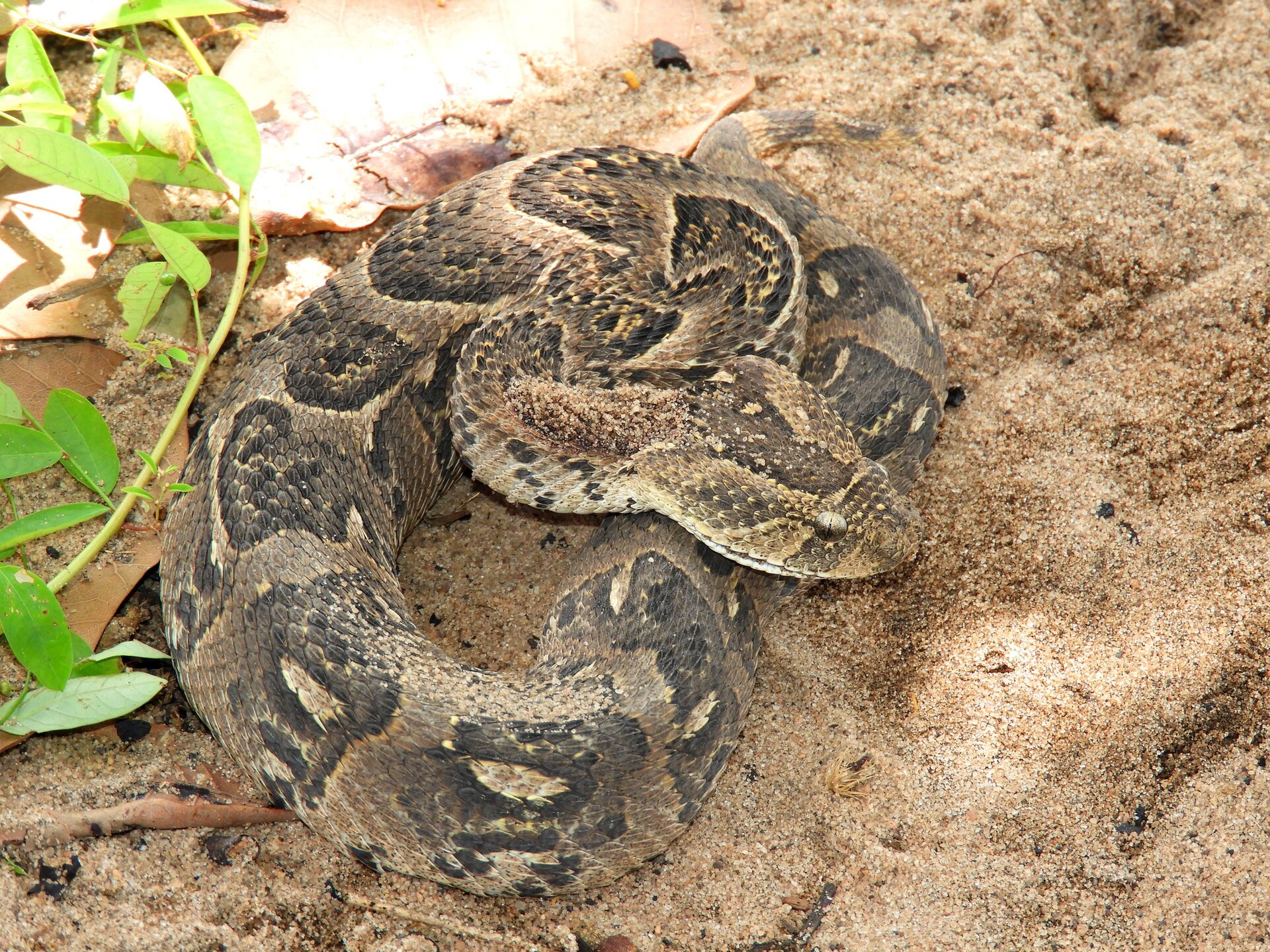
Snakebite is far more common in Africa than records show. A new map can steer antivenom
A study of 79 countries puts sub-Saharan Africa at 45% of global cases and deaths, and points health systems to where help is most needed.
Lire cet article en français →
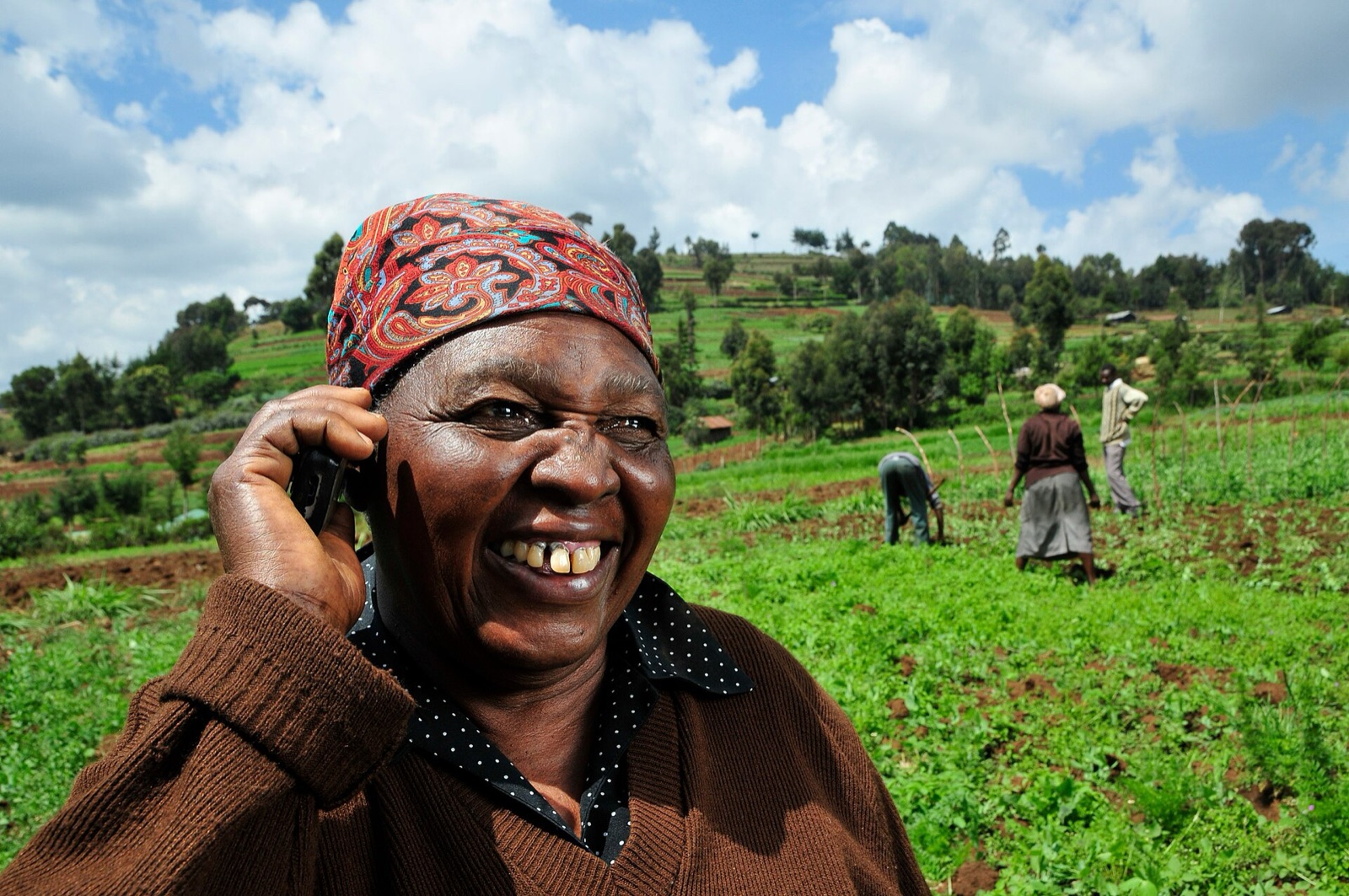
Liverpool — More than half of the countries where venomous snakes are a threat do not count how many people are bitten. Many victims in rural areas live hours from a clinic, have no transport or go to traditional healers, so they never appear in national health figures.
To close that gap, researchers including Dileepa Ediriweera of the Liverpool School of Tropical Medicine reviewed data from 79 countries, in studies published up to 31 March 2025, and built a model combining what is known with climate, snake diversity and socio-economic data.
What the model shows
- At least 2.1 million people a year suffer snakebite envenoming worldwide, and the real figure could reach 7 million.
- Annual deaths could be between 274,000 and 513,000.
- Sub-Saharan Africa accounts for 45% of all cases and deaths, and its rates are almost three times those of South Asia.
- Nigeria, the Democratic Republic of the Congo and Ethiopia carry a high burden because of dense rural populations and exposure in farm fields.
- More than 800,000 survivors a year are left with long-term disabilities, including amputations.
From a map to action
The World Health Organization aims to halve snakebite deaths and disability by 2030. The authors say the first step is mapping the problem country by country.
With high-risk areas identified, governments and health partners can place antivenom where it is most needed, train frontline health workers and improve rapid transport. The authors note that better data cannot solve the problem by itself, but it can help the treatment reach the communities that need it most.
Source: The Conversation, 19 October 2026.