Sukur: the hilltop kingdom in Adamawa that was Africa's first World Heritage cultural landscape
In the Mandara Mountains near Cameroon, a granite palace, terraced fields and old iron furnaces tell the story of a community that supplied iron across north-eastern Nigeria.
Lire cet article en français →
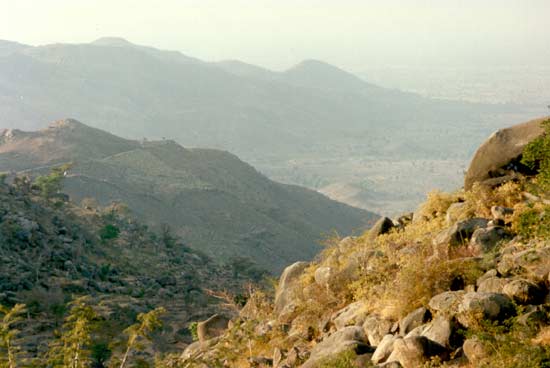
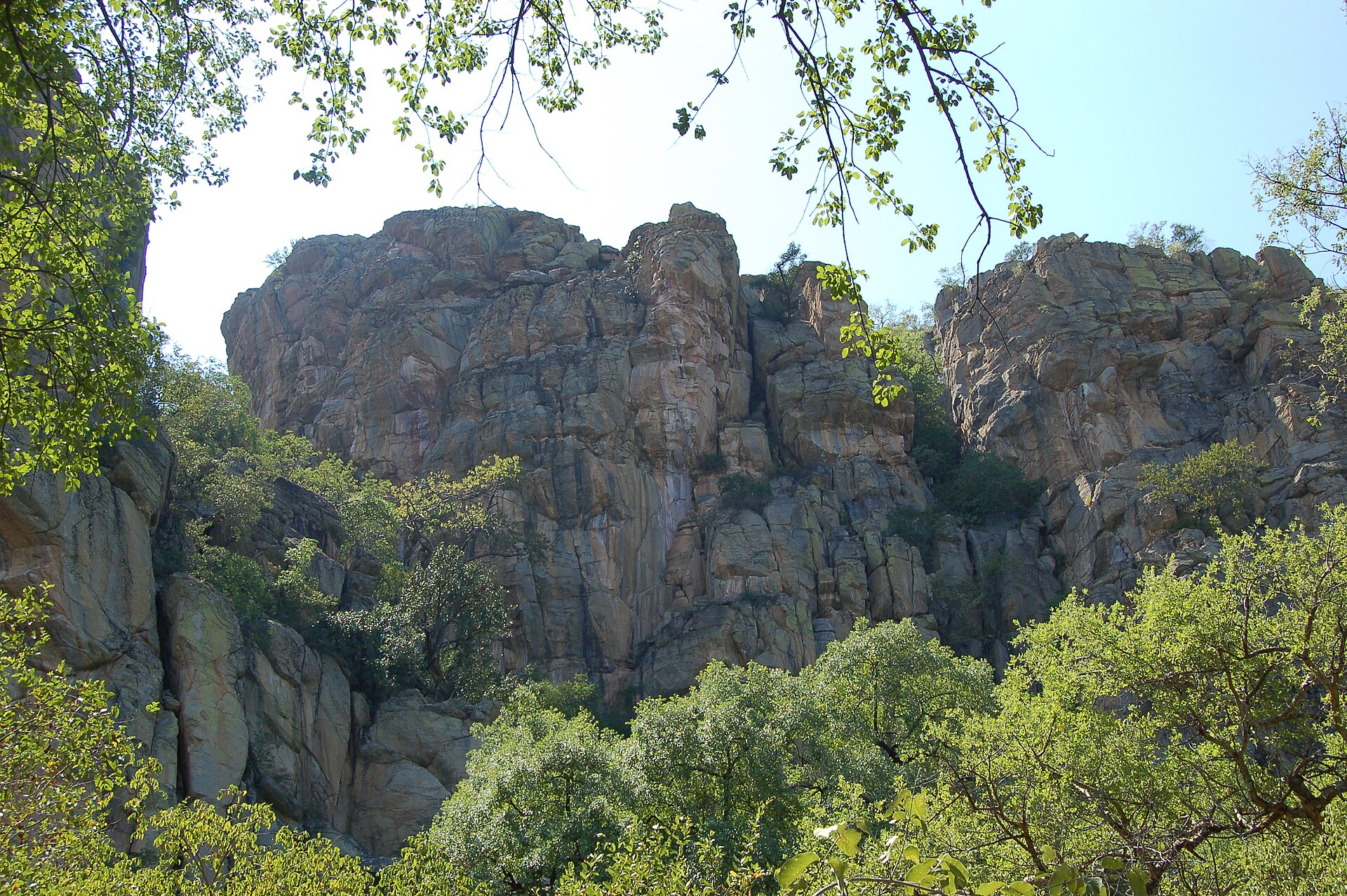
Yola — On a hill above the village of Sukur, in the Mandara Mountains of Adamawa State close to the border with Cameroon, stands one of Nigeria's two UNESCO World Heritage Sites. When it was inscribed in 1999, Sukur became the first cultural landscape in Africa to join the World Heritage List.
UNESCO describes it as "eloquent testimony to a strong and continuing cultural tradition that has endured for many centuries."
A centre of iron
Iron Age furnaces, ore and grindstones show that people worked iron here long before the present community, and there are also Neolithic finds. From the 17th century, under the Dur dynasty, Sukur became a major supplier of iron to north-eastern Nigeria, a role it kept into the early 20th century. Many homes still have the remains of shaft furnaces with bellows.
Palace and terraces
The settlement has two parts. In the upper part, Sakur Sama, the palace of the Hidi, or chief, sits in a large enclosure on the hilltop. It is a circular structure of dry-stone granite walls with niches, a pen for bulls and a horse stable. One gate is flanked by two great monolithic granite blocks, and a paved path 5.7 metres wide leads up to it. The palace is still home to the Hidi and his wife.
Below, in Sakur Kasa, families live in round clay houses with thatched roofs, grouped inside low compound walls. Around the hill, extensive terraced fields, still farmed and intact, give the landscape what UNESCO calls "a sacred quality". The writer Noo Saro-Wiwa describes her visit in her travel book Looking for Transwonderland.
Background: Wikipedia.