The Saloum Delta: Senegal's 200 islands of mangroves, flamingos and ancient shell mounds
Where the Saloum River meets the Atlantic, a World Heritage maze of channels holds 218 shell middens built by people over many centuries.
Lire cet article en français →
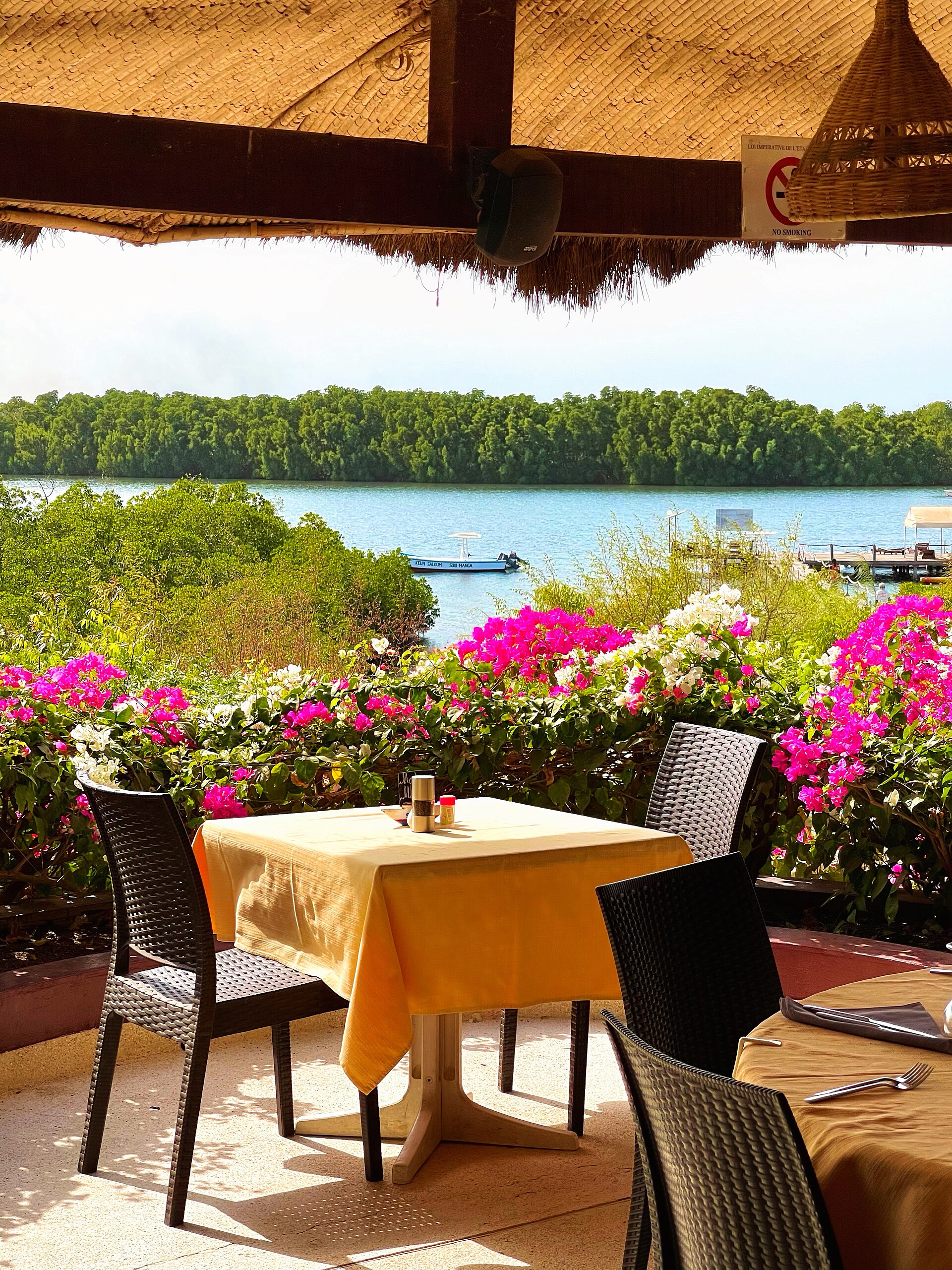
Foundiougne — South of Dakar, where the Saloum River meets the Atlantic Ocean, Senegal's coast dissolves into a maze of water and green. The Saloum Delta, also called the Sine-Saloum, covers about 180,000 hectares, stretching 72.5 kilometres along the coast and 35 kilometres inland.
Islands and mangroves
UNESCO, which listed 145,811 hectares of the delta as a World Heritage Site in 2011, describes "brackish channels encompassing over 200 islands and islets, mangrove forest, an Atlantic marine environment, and dry forest". The Saloum Delta National Park, created in 1976, protects 76,000 hectares, and the area has also been a UNESCO biosphere reserve since 1981.
A haven for birds
The delta is a major breeding and wintering ground for birds, including royal terns, greater flamingos, Eurasian spoonbills, goliath herons and migrating waders such as curlew sandpipers, ruddy turnstones and little stints. In 2008 it was joined with Niumi National Park in neighbouring Gambia as a single cross-border wetland of international importance under the Ramsar Convention.
Mountains of shells
The delta is also a place of deep human history. Its islands hold 218 shell mounds, built up over centuries by people who lived on the shellfish of the mangroves. Some were used as burial sites: objects found in 28 of them have helped archaeologists trace how people lived in the area long ago.
Visiting
The delta's fishing villages are reached by pirogue, and it is a favourite place for Senegalese and visitors to watch the sunset over the mangroves. Its name has even reached the cinema: the 2021 Senegalese genre film Saloum, by Jean Luc Herbulot, is set there.
Background: Wikipedia.