TP Mazembe: the Lubumbashi club that became the first from Africa to reach a Club World Cup final
Founded by monks for a school scout troop in 1939, the 'Almighty' Ravens have won Africa's top club prize five times.
Lire cet article en français →
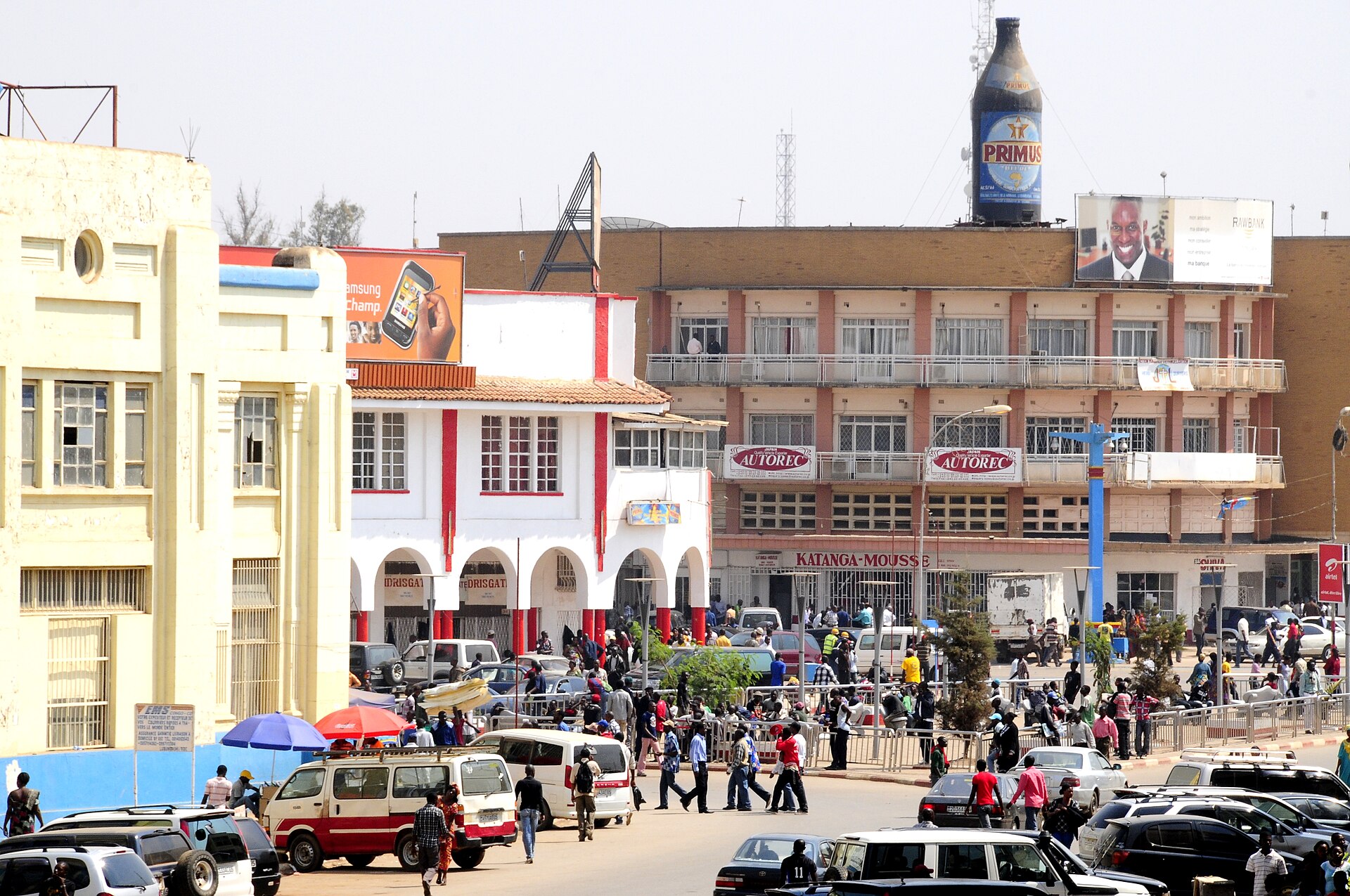
Lubumbashi — Tout Puissant Mazembe, the football club of Lubumbashi in the Democratic Republic of the Congo, holds a place in world football history. In December 2010 it became the first club from Africa, and the first from outside Europe and South America, to play in the final of the FIFA Club World Cup.
From a scout troop
The club began in 1939, when Benedictine monks running the Institut Saint-Boniface school in what was then Élisabethville set up a team for the students' Boy Scout troop. It was named Saint Georges FC, after the patron saint of scouting. It later became Saint Paul FC, then FC Englebert, after a tyre-making sponsor. The title "Tout Puissant", almighty, was added after it went unbeaten to win its first league title in 1966, the year it won a domestic treble.
Kings of Africa
Mazembe won the African Cup of Champions in 1967 and 1968, the first team to retain the trophy, and reached four finals in a row from 1967 to 1970. After a long absence, it returned to the top: it won the CAF Champions League in 2009, defended it in 2010 and lifted it a fifth time in 2015, beating USM Alger 4-1 on aggregate.
The 2010 run
At the 2010 Club World Cup in the United Arab Emirates, Mazembe beat Pachuca of Mexico 1-0 and then the South American champions, Internacional of Brazil, 2-0 to reach the final. They lost 3-0 to Inter Milan, but their run made headlines across the world.
Still growing
The club added a women's team in 2020.
Background: Wikipedia.