US sanctions the International Criminal Court hours after its former judge wins the Nobel
Washington has banned transactions with the court, a step that could cut it off from banks, insurers and software suppliers. "Either the ICC will end its threats, or we will end the ICC," the US secretary of state said.
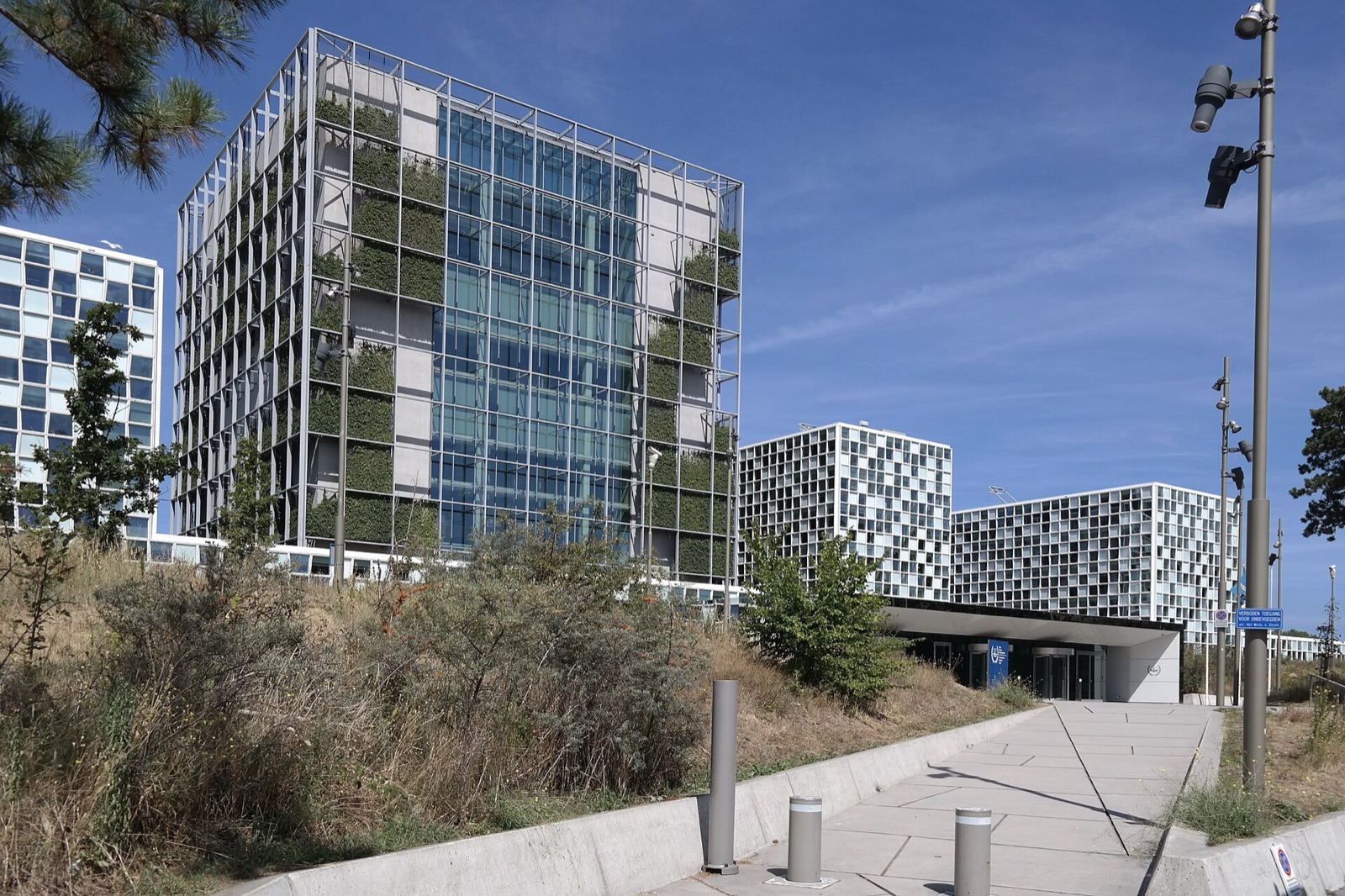
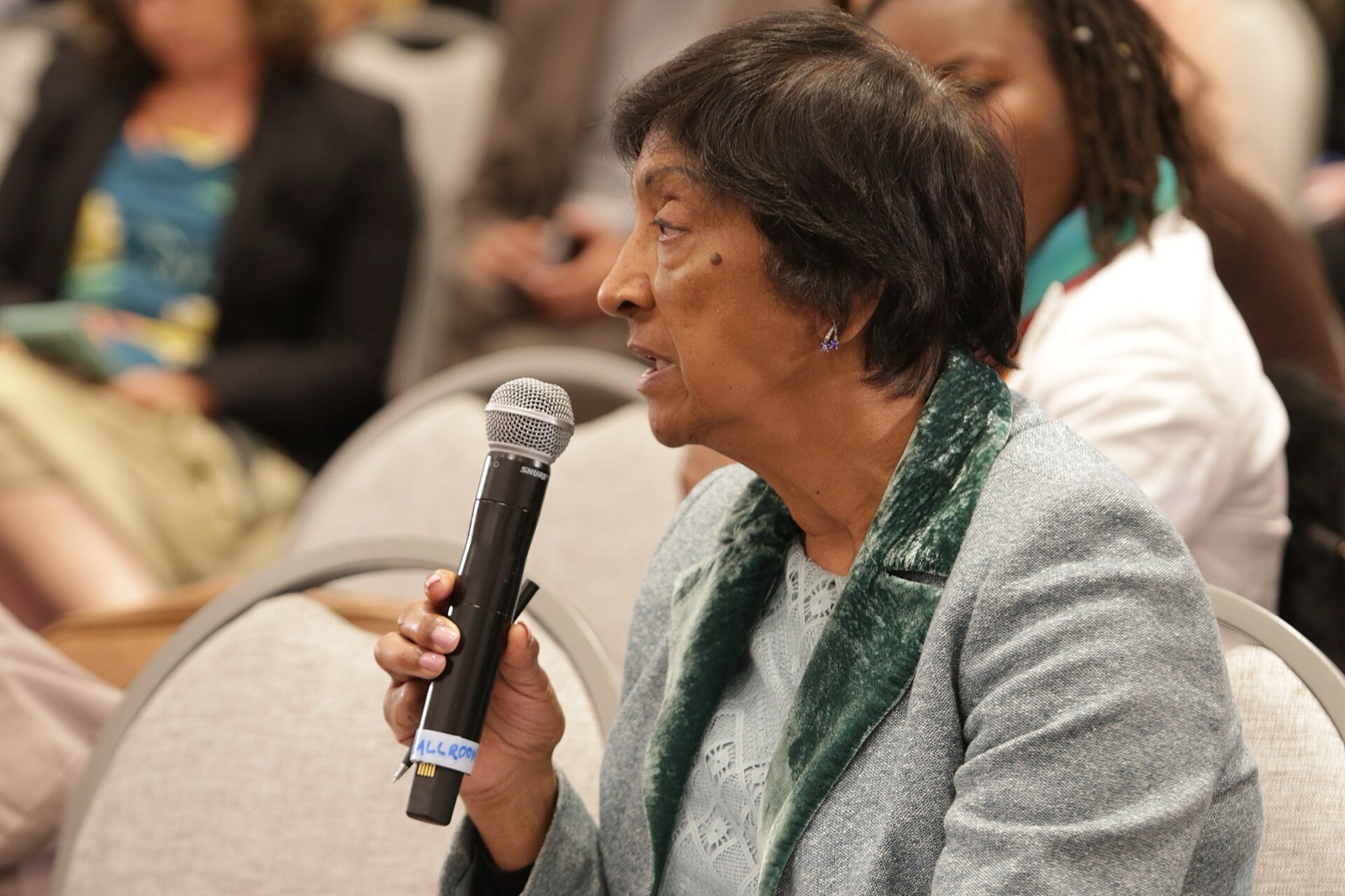
Washington — The United States has imposed sweeping sanctions on the International Criminal Court, hours after a former judge of the court, South Africa's Navi Pillay, was awarded the Nobel Peace Prize, Daily Maverick reports.
The measures block transactions with the court as an institution. That goes further than earlier US sanctions, which targeted individual prosecutors and judges, and it could stop American companies from providing the banking, insurance, software and other services the court depends on.
The US Secretary of State, Marco Rubio, said President Donald Trump "will never allow the International Criminal Court to prosecute Americans", and called it a "rogue court". "Either the ICC will end its threats, or we will end the ICC," he said.
The court's response
The ICC's deputy prosecutor, Nazhat Shameem Khan, said the sanctions "must be condemned" and that the court's work would continue.
Washington issued four general licences alongside the sanctions. They allow telecommunications and software services, pension payments, and transactions for people held in the court's detention.
The court and the prize
The court, founded in 2002, has 125 member countries.
Pillay sat on the court's appeals chamber from 2003 to 2008. In announcing her prize, the Nobel committee said that judges and institutions of international law were under political attack, and that a legal system in which war criminals are held to account is essential for peace.
The Trump administration has opposed the court since returning to office in January 2025. The court has issued an arrest warrant for Israeli Prime Minister Benjamin Netanyahu.
This report is based on reporting by Daily Maverick.