Vigilantes confront asylum seekers as South Africa reopens its refugee system after six years
About 15 members of an anti-migrant group tried to block people queuing at the Durban reception office. Only 20 applicants were processed that day.
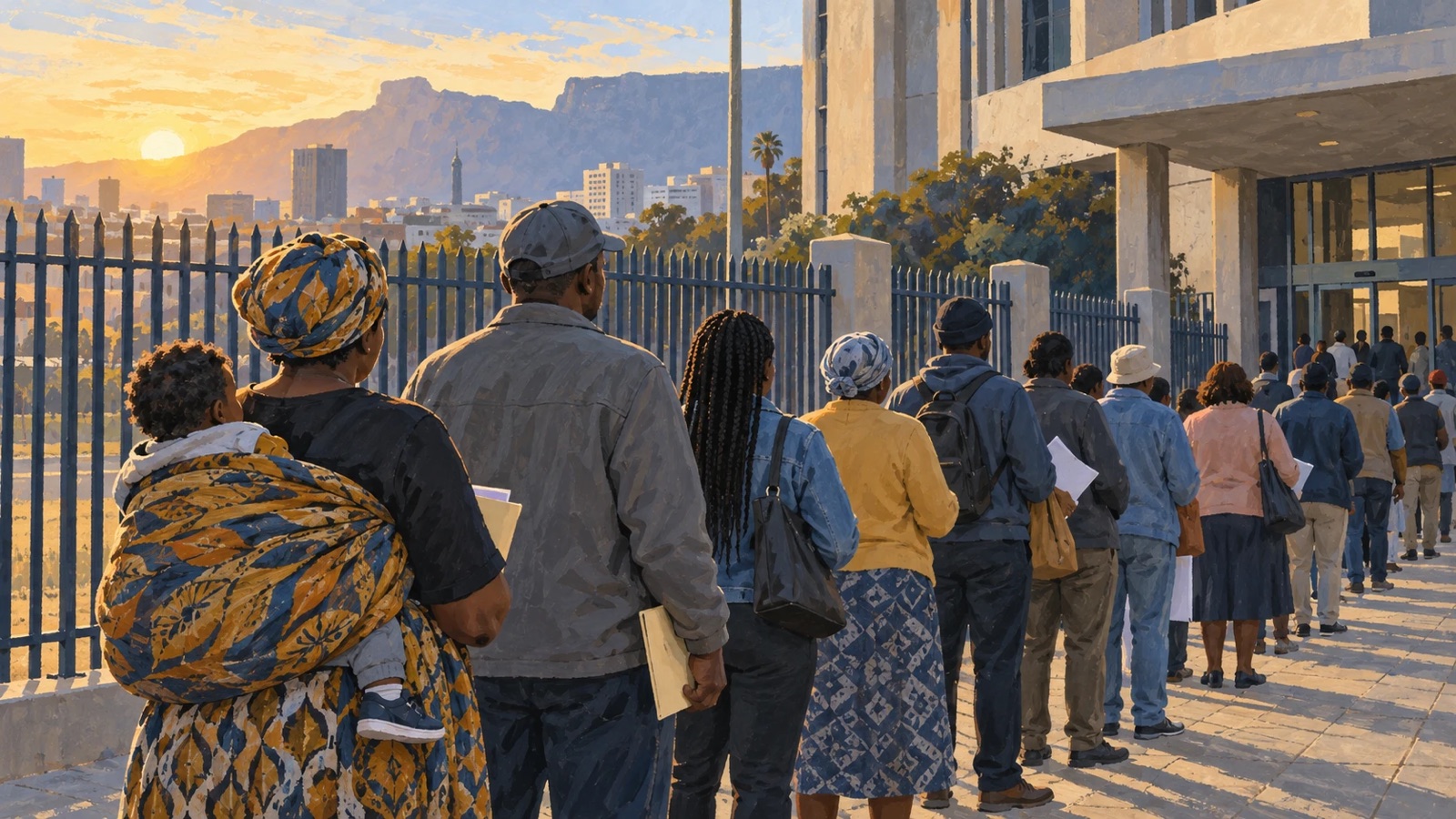
Durban — A group of about 15 vigilantes harassed asylum seekers queuing outside the Home Affairs Refugee Reception Centre in Durban on Tuesday, a day after South Africa announced it was reopening its asylum system, GroundUp reports.
The system had been closed to new applications since the Covid lockdown of 2020. A Constitutional Court ruling in July opened the way for it to resume.
'Stop processing'
The group's leader, Wandile Mhlongo, told GroundUp the aim was to stop people from seeking asylum in South Africa. Members shouted xenophobic slurs and told those in the queue to leave the country.
Xolani Zuma, whose wife Jacinta Ngobese-Zuma leads the anti-migrant organisation March and March, arrived to speak to police. He said the group wants Home Affairs to stop processing refugees because, in its view, the department's resources should serve South Africans.
In the queue
Among those waiting was Bihh Mutombo, who fled the Democratic Republic of Congo 12 years ago and had been in line since six in the morning. Another woman, a single mother who runs a salon and has been in the country for five years, said repeated trips to the office cost her income.
Asylum seekers told the reporters that living without documents makes it hard to get treatment at hospitals. Some had been part-way through their applications when the system shut.
By the end of the day, 20 people had been processed. The Department of Home Affairs has separately criticised what it calls disinformation about asylum applications.
This report is based on reporting by Joseph Bracken and Tsoanelo Sefoloko for GroundUp, via AllAfrica.