West Africa's regional court has become a route to justice for women
Citizens need not exhaust national courts first. A new book traces rulings on marriage, violence, work and schooling.
Lire cet article en français →
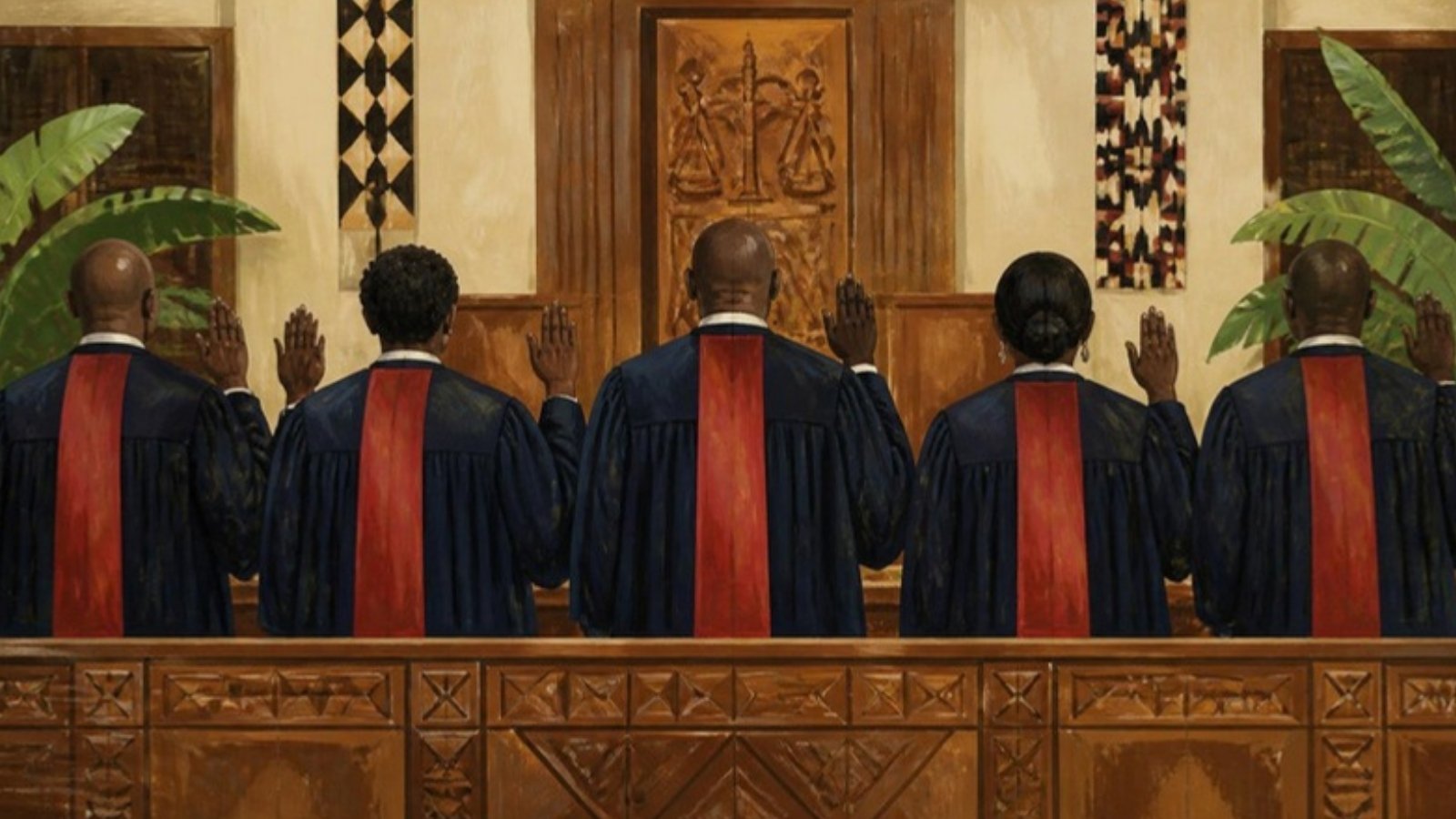
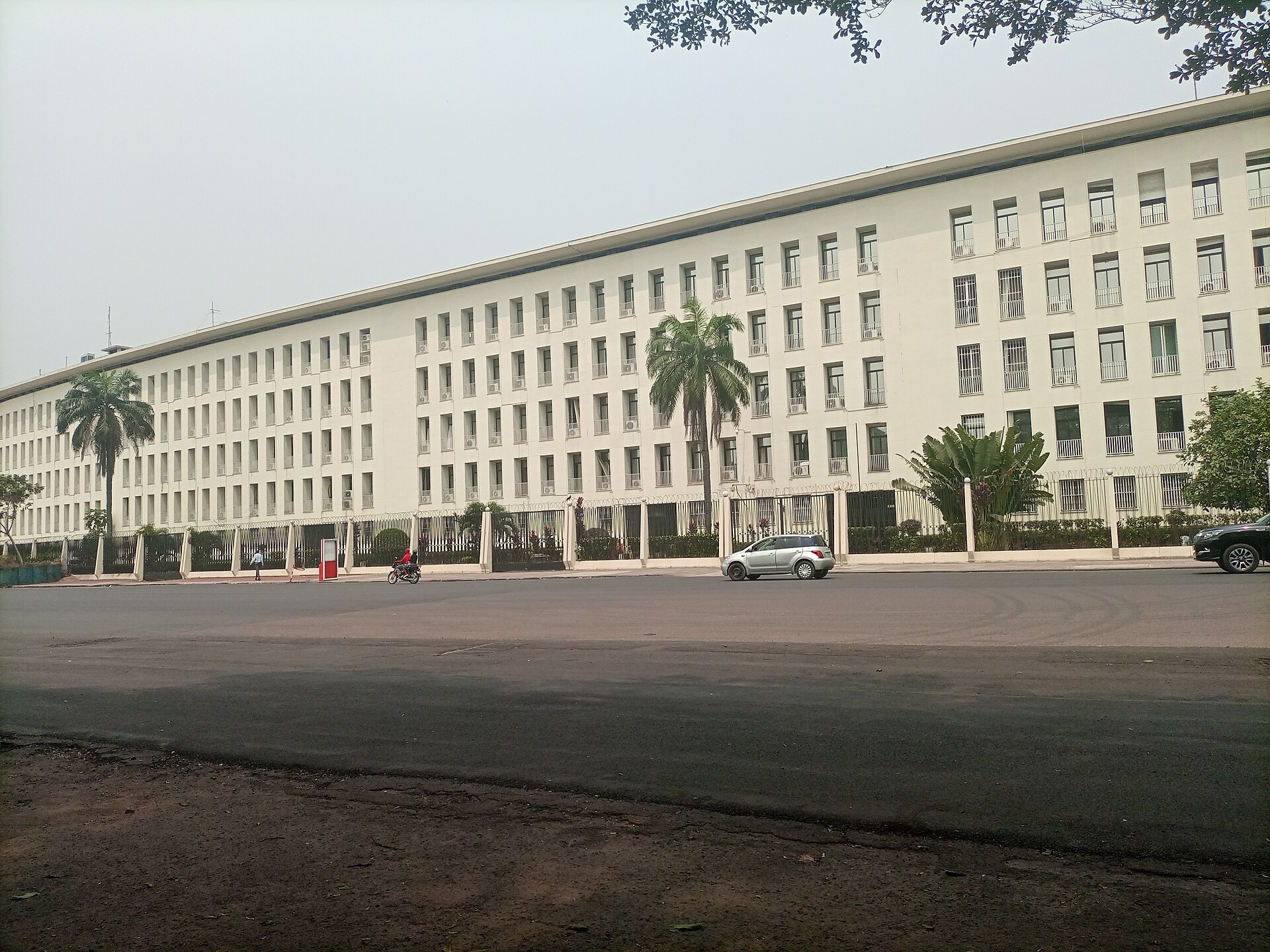
Abuja — The ECOWAS Court of Justice in Abuja was set up to handle economic questions under the regional treaty. Since it received a human rights mandate in 2005, nearly 90% of its cases have been about human rights.
In a new book, Maame Efua Addadzi-Koom, a senior lecturer at Kwame Nkrumah University of Science and Technology, argues that the change has made the court an accessible place to advance women's rights in West Africa.
Why people choose it
Unlike other regional courts on the continent, it does not require claimants to exhaust the courts at home first. Electronic filing and case management have made it easier still to use.
It has ruled on marriage, widowhood, domestic violence, employment, education, culture and conflict. In a 2019 public interest case brought against Sierra Leone on behalf of about 3,000 pregnant pupils, it ordered the state to lift a ban that kept them out of mainstream schools, and to close the lesser "alternative" schools it had provided.
What still needs work
- Enforcement: eight of the 12 member states have not set up the national authority meant to carry out its rulings. Sierra Leone partly implemented the 2019 ruling, which the author links to the case's public interest nature and its publicity.
- Compensation: there is no uniform approach to awards, so claimants cannot predict what they may receive.
- The Maputo Protocol: the first regional treaty dedicated to women's rights is rarely examined in depth in the court's decisions.
The author says the court already does excellent work. A consistent compensation framework and more use of the Maputo Protocol would make it more transformative.
Source: The Conversation, 16 October 2026.