Yaa Asantewaa: the Queen Mother who led the fight for the Golden Stool
When a British governor demanded the symbol of the Asante nation in 1900, she shamed the chiefs into war and took command herself.
Lire cet article en français →
Ejisu — In 1900, the British governor of the Gold Coast, Frederick Hodgson, demanded the Golden Stool, the symbol of the Asante nation. The Asante king, Prempeh I, had already been sent into exile in the Seychelles. At a secret meeting in Kumasi, the remaining leaders could not agree on what to do.
"Exchange your loincloths"
Yaa Asantewaa, the Queen Mother of Ejisu, was there. By tradition she helped protect the stool, advised the king and chose candidates for the next ruler. She told the chiefs that if they were going to behave like cowards, they should trade their loincloths for her undergarments, and fired a shot in front of them to make her point. Regional kings then chose her to lead the Asante fighting force.
The last Anglo-Asante war
From March 1900 the Asante laid siege to the British fort at Kumasi, which still stands as a military museum. The war lasted six months and had the highest death toll of the Anglo-Asante wars. A force of 1,400 was sent to end the rebellion, and she was captured and exiled to the Seychelles, where she died in 1921. The British annexed the territory on 1 January 1902.
Why she still matters
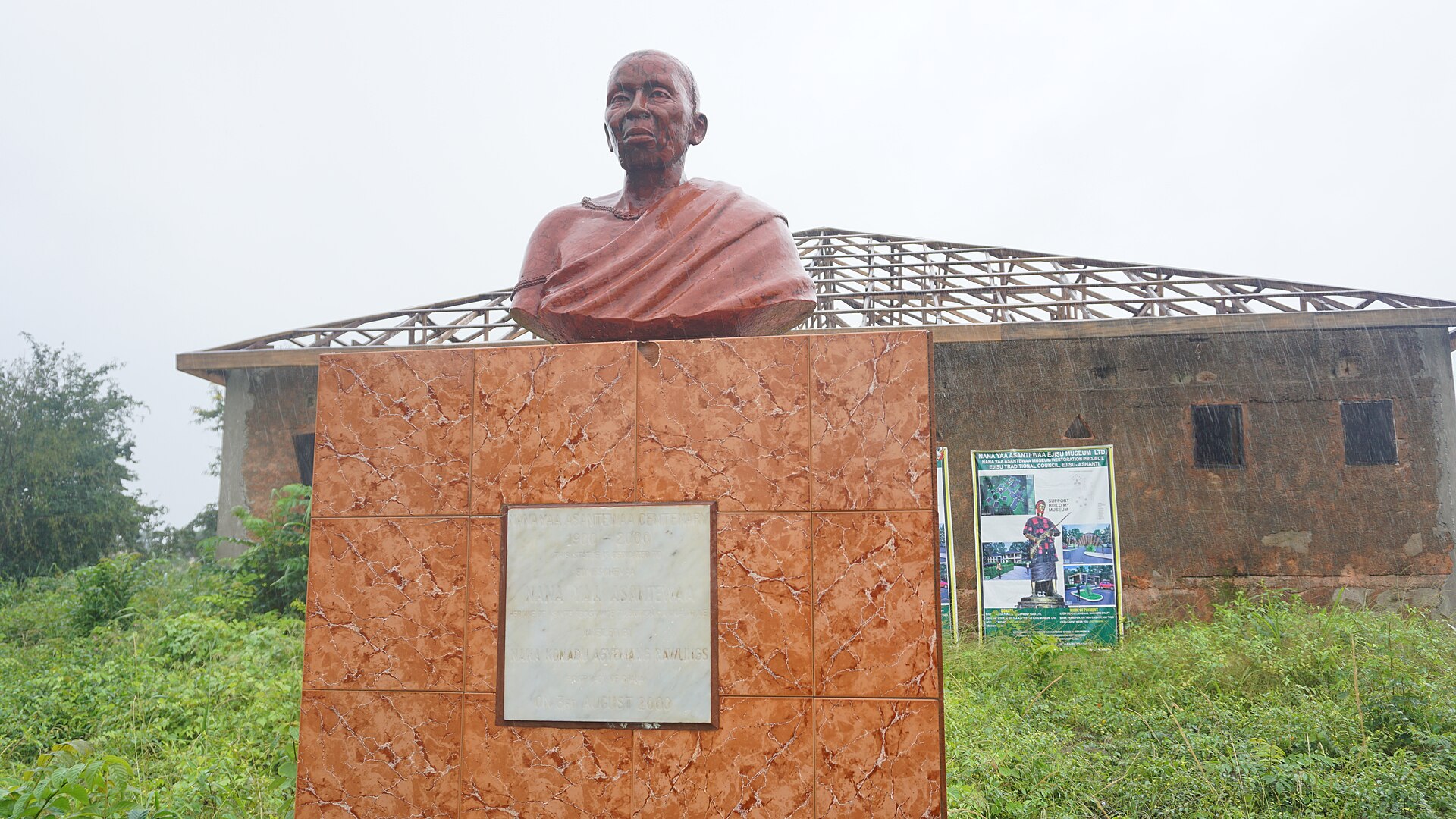
Born around 1840 in Besease, she was a farmer and a mother before she was a war leader. Ghanaians today see her as a queen mother who used her political and social right to defend her kingdom, in a matrilineal society where women held real legislative and judicial weight. A museum at Ejisu keeps her memory alive.
Background: Wikipedia.