Argan oil: the Moroccan staple pressed largely by Amazigh women's cooperatives
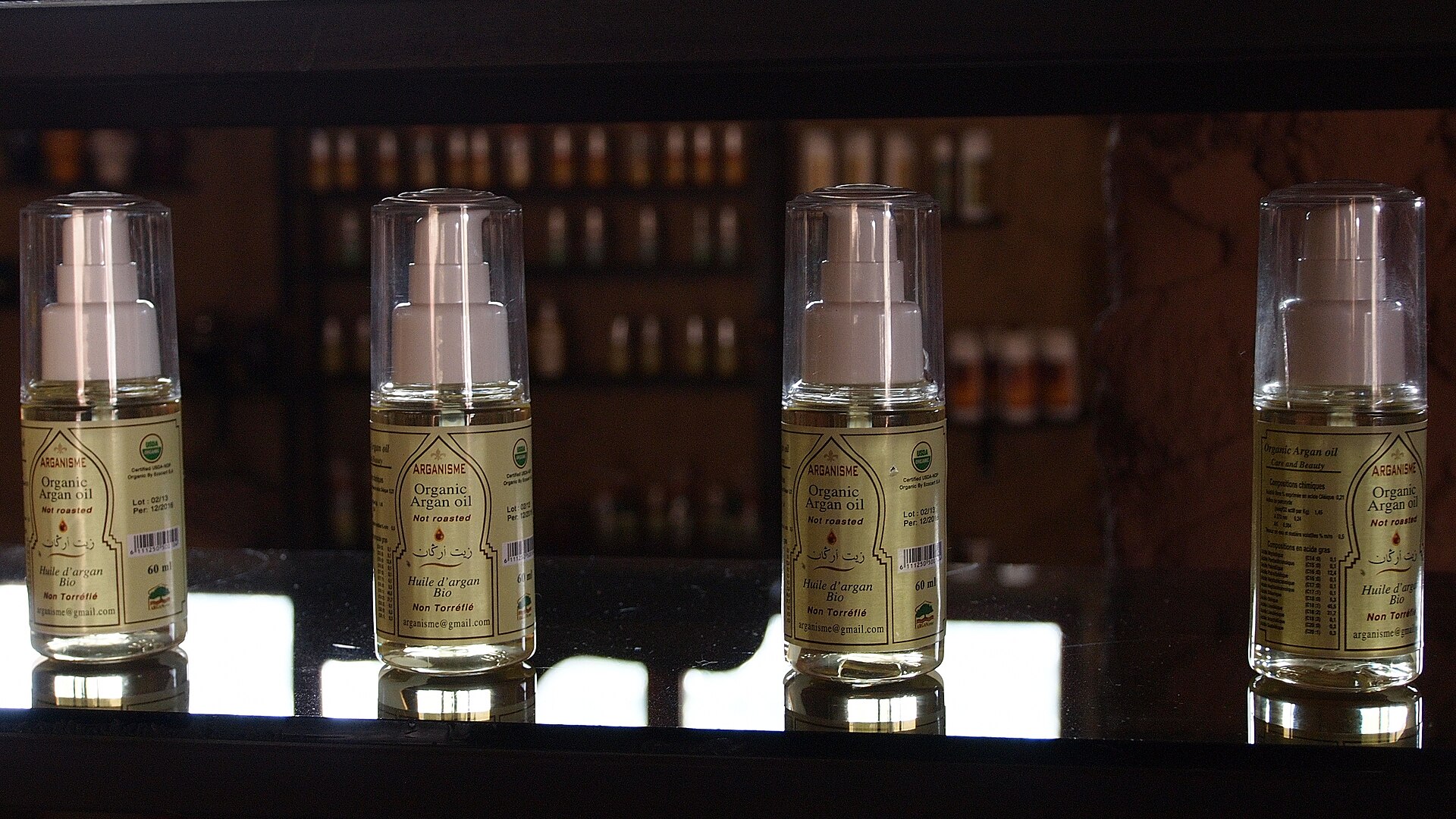
It takes about 40 kilograms of dried fruit to make one litre. Demand has soared since the 2000s, and cooperatives such as the 22-member UCFA keep the traditional craft alive.
Lire cet article en français →
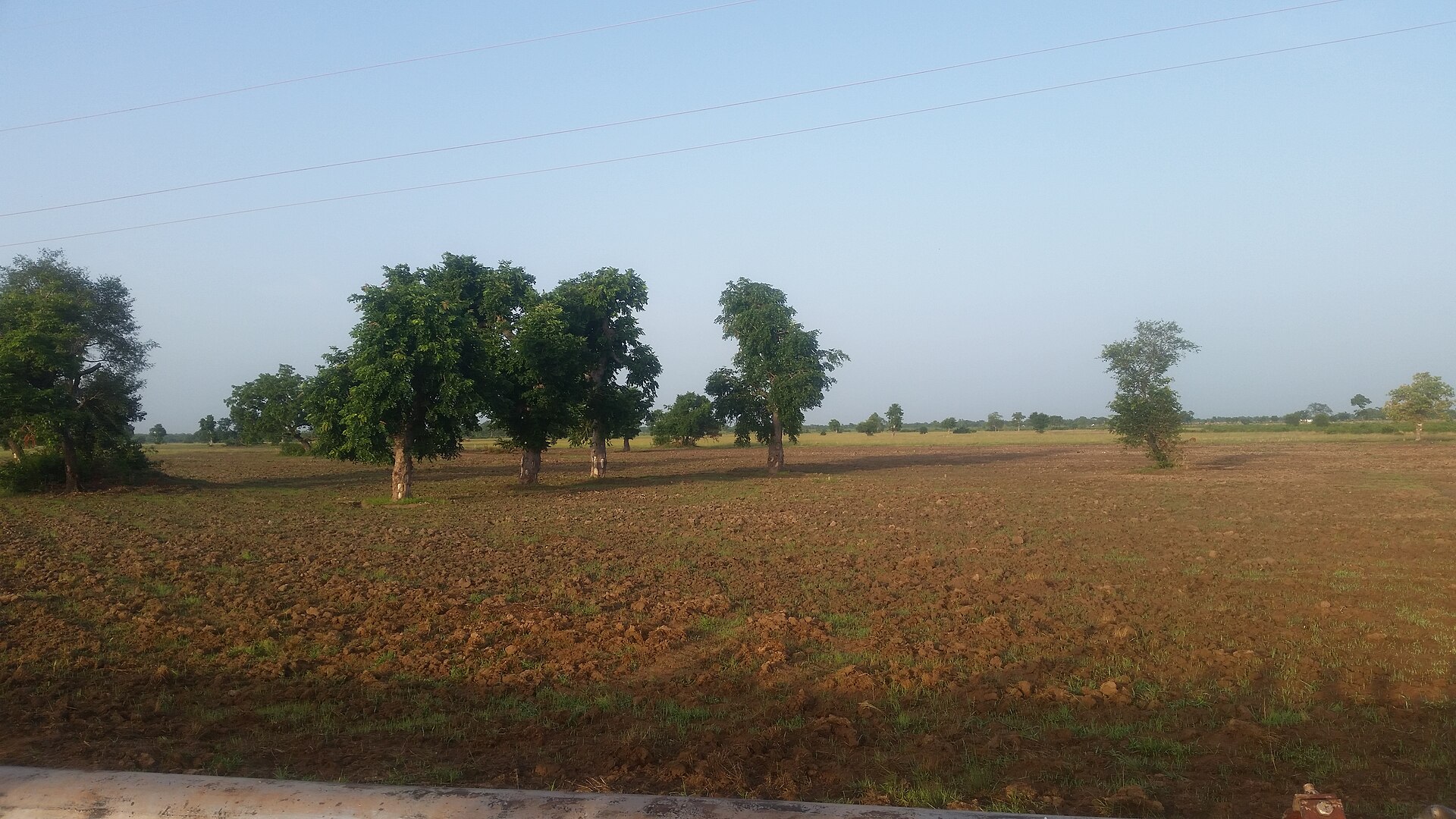
Essaouira — The argan tree grows in Morocco and south-western Algeria, and the oil from its kernels has become one of the country's best-known products. In Moroccan kitchens it is used to dip bread at breakfast, dress salads and drizzle over couscous. Ground with roasted almonds and mixed with honey, it becomes amlu, a thick spread eaten with bread.
A slow craft
Each argan nut holds one to three oil-rich kernels. Workers dry the fruit in the open air, remove the pulp, crack the nuts and take out the kernels by hand. For culinary oil the kernels are gently roasted, then ground and pressed. It takes about 40 kilograms of dried fruit to make a single litre of oil. The leftover press cake is rich in protein and fed to cattle.
From breakfast table to world market
After the first sales of argan cosmetics in the United States in 2003, demand soared. Today the oil is used in face creams, shampoos, lip glosses and soaps. Production, almost all of it in Morocco, was forecast to reach about 17,800 tonnes in 2022, up from about 4,400 tonnes in 2014. Since 2012, the government has tested export shipments for purity.
Women at the centre
Much of the oil is made by women's cooperatives, mostly Amazigh (Berber) women with skills passed down through generations. The Union des Coopératives des Femmes de l'Arganeraie, supported by Morocco's Social Development Agency and the European Union, is the largest, with 22 cooperatives. A network of associations founded in 2002 works for sustainable development across the Arganeraie Biosphere Reserve, and researchers such as Zoubida Charrouf of Mohammed V University campaign for better pay for the women who harvest and press the nuts.
Background: Wikipedia.