Obi Faces Pressure to Publish Detailed Manifesto as Campaign Intensifies
With Nigeria's 2027 presidential election approaching, Peter Obi's campaign is facing renewed scrutiny over how its promises on economic recovery, security and national development will be translated into practical policies.
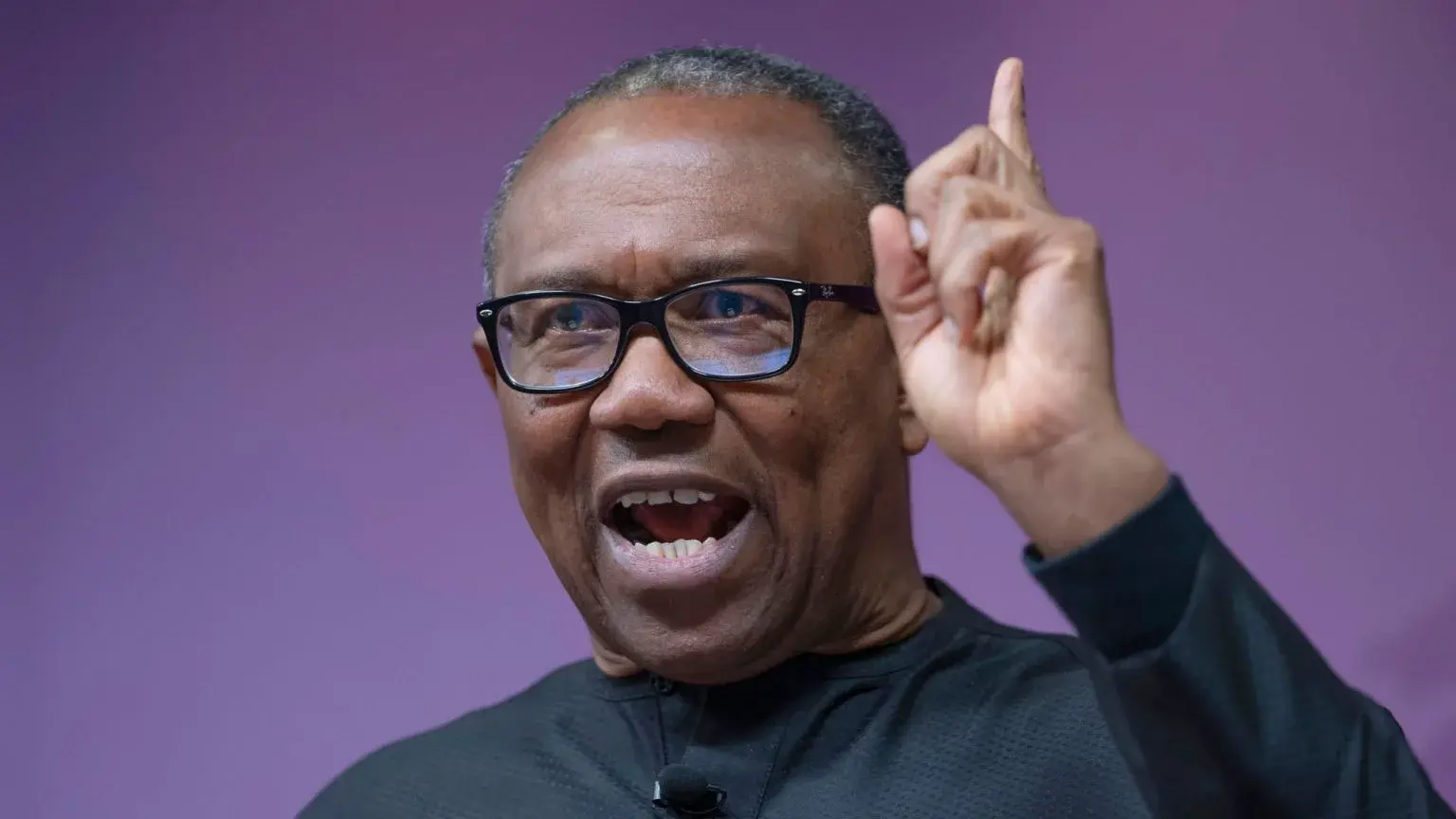
Abuja — Presidential candidate of the Nigeria Democratic Congress (NDC), Peter Obi, is facing growing expectations to provide a comprehensive policy document outlining how he intends to address Nigeria's economic and security challenges if elected in 2027.
The issue comes as political activities gather momentum ahead of the presidential election, with voters increasingly demanding clear explanations of how candidates intend to fulfil their campaign promises.
A report published by BusinessDay on Wednesday, November 18, found that only three of the 18 presidential candidates cleared for the 2027 election had published standalone manifestos detailing their policy priorities.
Obi was among the candidates who had communicated their programmes through public engagements, town hall meetings and campaign speeches but had yet to publish a comprehensive standalone manifesto.
The former Anambra State governor has repeatedly placed economic productivity, national unity, security and human capital development at the centre of his presidential campaign.
He has proposed moving Nigeria away from an economy heavily dependent on consumption and imports towards one driven by domestic production, manufacturing, agriculture and entrepreneurship.
During a recent town hall meeting in Jos, Plateau State, Obi also emphasised the need to tackle insecurity, improve access to education and healthcare, and support small businesses through better access to financing.
He argued that insecurity continues to undermine economic activities, particularly in farming communities where attacks have prevented many residents from accessing their farmlands.
On electricity, the presidential candidate has pledged to increase Nigeria's power generation, transmission and distribution capacity to at least 10,000 megawatts, describing reliable electricity as essential for industrial development and job creation.
However, the publication of a comprehensive manifesto would provide voters with further details about the proposed funding arrangements, implementation timelines and measurable targets for these commitments.
Nigeria's next president will inherit significant challenges, including high living costs, unemployment, insecurity, infrastructure deficits and pressure on public finances.
For Obi, the challenge is therefore not only to convince Nigerians that a different approach to governance is possible but also to demonstrate how his proposed solutions can be implemented within the country's available resources.
As the election approaches, the ability of presidential candidates to present practical, measurable and financially realistic programmes is expected to remain an important consideration for voters.