How Grassroots Football Is Changing the Lives of Nigerian Youths
Beyond the excitement of the game, grassroots football is creating opportunities for young Nigerians to develop their talents, acquire life skills, build friendships and find pathways towards a better future.
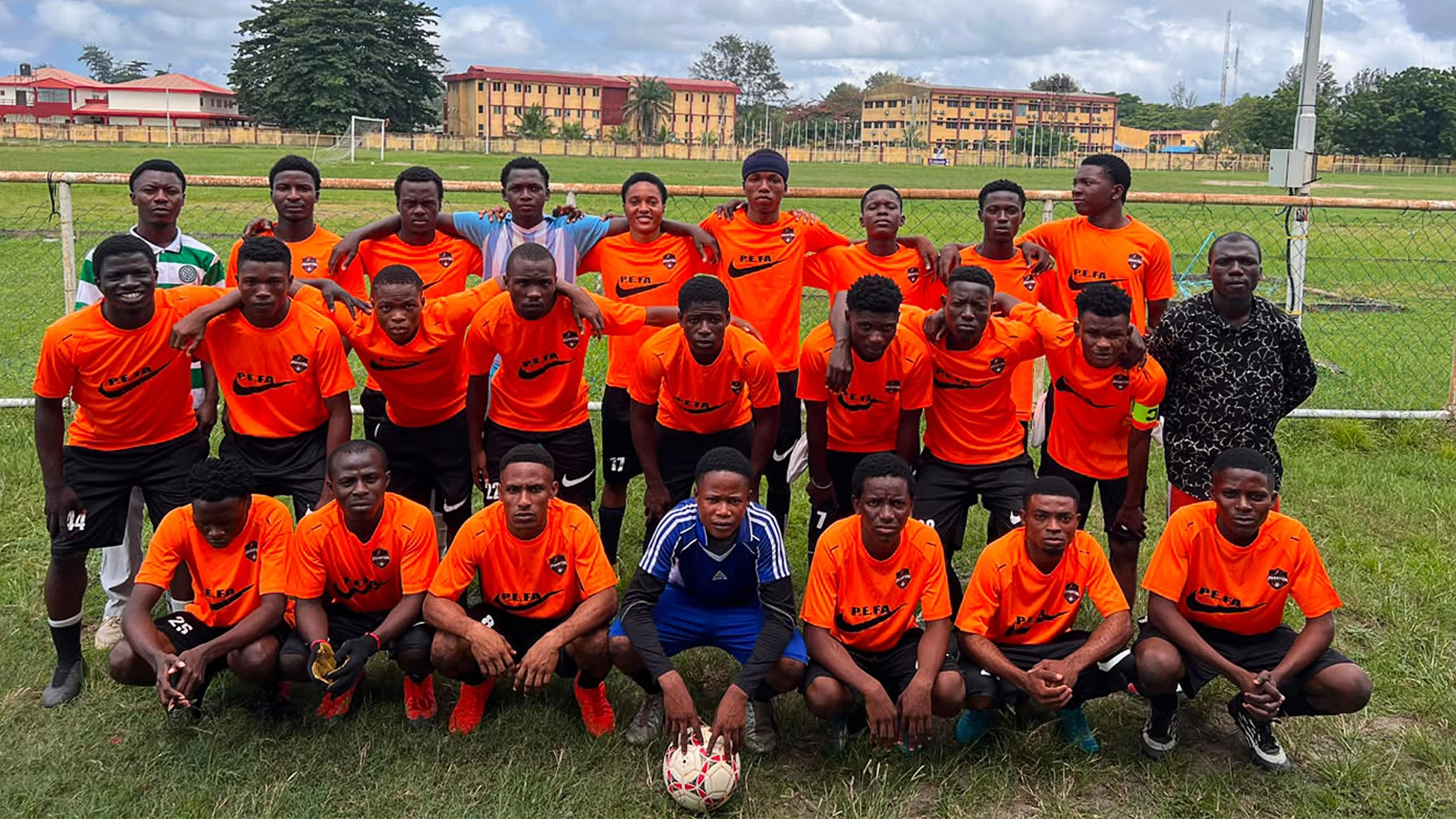
Abuja — Across Nigeria, football is becoming more than a popular sport. From neighbourhood playing fields to organised youth academies, grassroots football initiatives are helping young people develop their abilities, build confidence and explore opportunities that extend beyond the football pitch.
For many Nigerian children and teenagers, playing football begins as a simple passion. However, with access to proper coaching, organised competitions and mentorship, that passion can become a pathway to education, personal development and potentially professional careers.
In Abuja, the Playing for Peace initiative is demonstrating how football can also contribute to social inclusion and community development.
The programme, implemented in the Karamajiji and Area One internally displaced persons' camps, brings together children from displaced and host communities through organised sporting activities.
According to SportandDev, the initiative is being implemented by Cross Cultures Project Association in partnership with the All Nigerian Football Players Union and the Hadassah Davis Foundation.
The programme has trained 70 young men and women aged between 18 and 30 as community leaders, who subsequently help train volunteer coaches and teenage assistants. Its network is designed to reach approximately 4,000 children.
Beyond developing football abilities, the initiative promotes teamwork, leadership, peaceful coexistence and positive relationships among children from different backgrounds.
In Jos, Plateau State, PAWAS Academy is another example of how grassroots sports can support wider youth development.
Founded in 2007, the academy works with young people aged between 10 and 22, combining football development with education, practical life skills and personal growth.
Its programmes also include financial literacy, mental health and psychosocial support, while partnerships with scouts and football organisations help create opportunities for local and international exposure.
These initiatives reflect a growing understanding that developing young footballers requires more than identifying talented players. Education, discipline, mentorship and access to opportunities are equally important.
Grassroots competitions are also contributing to this development.
In Lagos State, the 2026 JOF Under-13 Cup brought together 64 clubs representing the state's 57 local government areas and local council development areas.
The competition provided young players with opportunities to demonstrate their abilities while learning teamwork, discipline and leadership.
Such tournaments can help coaches and football scouts identify emerging talents who may otherwise struggle to attract attention.
However, despite the potential of grassroots football, several challenges remain. Limited sporting facilities, inadequate funding, shortages of qualified coaches and insufficient access to organised competitions continue to affect youth development in many communities.
There are also concerns about protecting young players from exploitation by individuals who make unrealistic promises of professional contracts or international opportunities.
Sports development experts and stakeholders have therefore continued to emphasise the importance of stronger partnerships between government institutions, private organisations, football associations and community groups.
Greater investment in local pitches, qualified coaching, youth competitions and player welfare could help create more sustainable opportunities for aspiring footballers.
For Nigeria, where football remains one of the strongest sources of national identity and community connection, strengthening grassroots development could produce benefits that go far beyond the sport itself.
Ultimately, the success of grassroots football should not be measured only by the number of professional players it produces, but also by the opportunities it creates for young people to become educated, confident, responsible and productive members of society.