Ethiopia's coffee: from Kaffa to a $2.89bn export
Africa's top producer exported 7.43 million bags in 2024/25, and about 5.9 million farmers grow the crop, nearly all of it by hand.
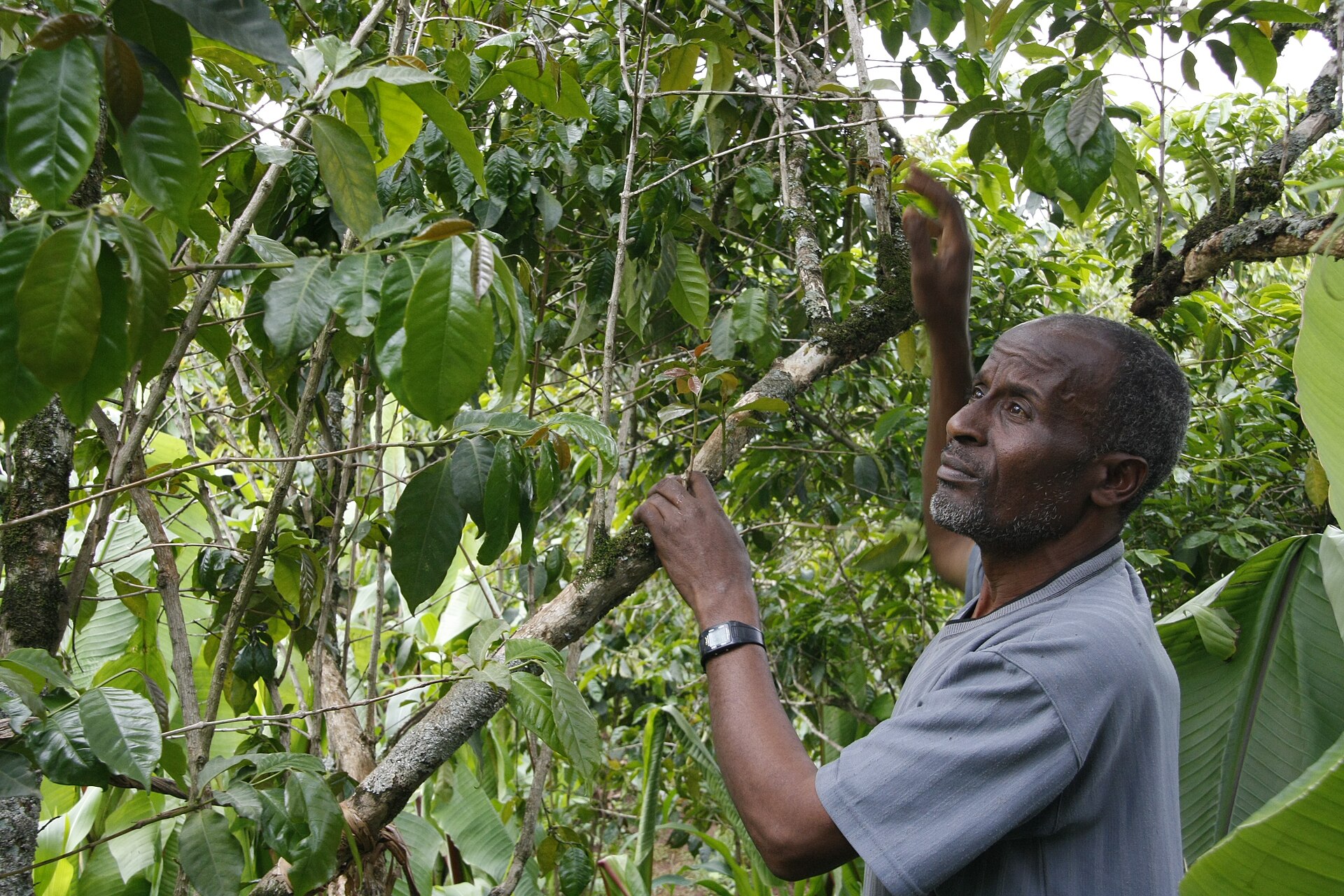
Awassa — Coffea arabica occurs naturally in the highlands of southern Ethiopia, and the plant is traced to the region of Kaffa. Centuries later, Ethiopia remains a coffee giant.
The numbers
- Production: about 12.1 million 60kg bags expected in 2026/27, after an estimated 11.6 million in 2025/26.
- Exports: about 7.43 million bags in 2024/25, earning around $2.89 billion.
- Farmers: about 5.9 million are directly engaged in growing coffee.
Ethiopia is Africa's top producer. Half of the crop is drunk at home, and the country leads the continent in domestic consumption. The main foreign markets are the European Union, with about half of exports, followed by East Asia and North America.
Forest, garden and plantation
Ethiopian coffee falls into three groups: forest coffee from wild trees, mostly in the south-west; garden coffee from trees planted around homes; and plantation coffee from large farms. Nearly all the work of cultivating and drying is still done by hand.
Finding the farm in the cup
The Ethiopia Commodity Exchange was set up in 2008 to modernise trade and improve price transparency. But pooling coffee by grade and region made it hard for buyers to trace a lot back to its source, and specialty roasters complained. Reforms from 2017 curbed the blending of different origins, so buyers can again trace coffee to its washing station.
The popular legend of Kaldi, the goat herder who noticed his flock's energy, did not appear in writing until 1671.
Background: Wikipedia.