M-Pesa: how a Kenyan phone service changed the way Africa moves money
Launched in 2007 for people without bank accounts, it had about 17 million Kenyan accounts by 2012 and has spread to seven more countries.
Lire cet article en français →
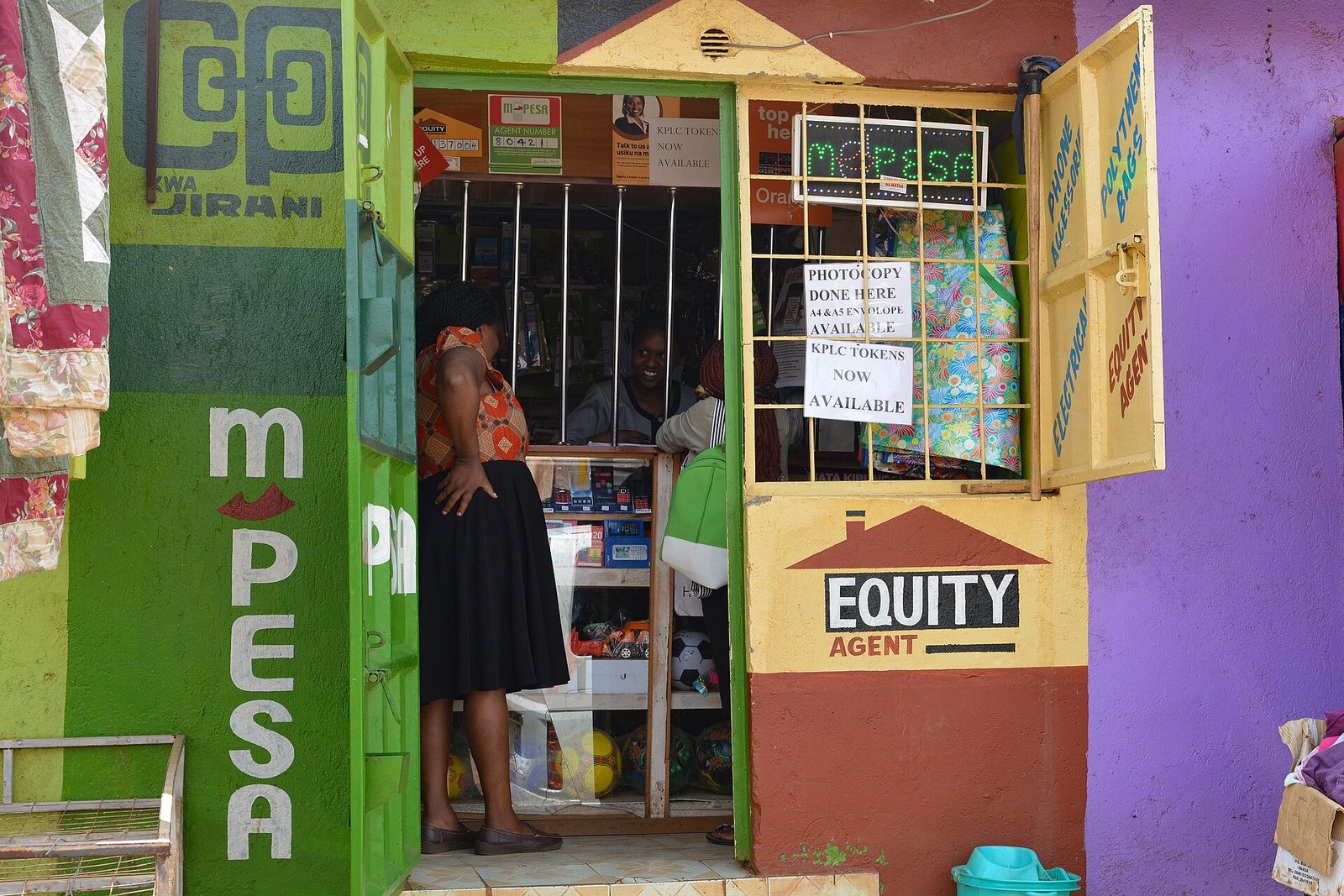
Nairobi — Pesa is the Swahili word for money, and M-Pesa put it on the phone. The service lets people deposit, withdraw and send money, pay for goods and services, and reach credit and savings, all from a mobile device and without a bank branch.
From pilot to national habit
Safaricom and Vodafone began a pilot in Kenya in October 2005, aimed at pre-pay mobile users without bank accounts. The first obstacle was gaining the trust of agents and training them to handle cash withdrawals. Volumes rose quickly once customers could buy airtime through the service. The full commercial launch came in March 2007.
Customers pay in and take out cash through a network of agents, including airtime resellers and retail shops. By 2010 it had become the most successful phone-based financial service in the developing world, and by 2012 about 17 million accounts had been registered in Kenya.
Beyond Kenya
M-Pesa now also runs in Tanzania, Mozambique, the Democratic Republic of the Congo, Lesotho, Ghana, Egypt and Ethiopia. Launches in India, Romania and Albania were ended after low uptake.
The evidence, and the criticism
A much-cited 2016 paper in Science by Tavneet Suri and William Jack found that access to the service lifted 194,000 households, or 2% of Kenyan households, out of poverty. The service has been praised for bringing millions into the formal financial system and for reducing crime in cash-based societies.
It also draws criticism for its cost to poorer users. Withdrawing KES 300, for example, carries a fee of KES 29, about 10%.
Background: Wikipedia.