Flint tools left in boxes for a century change what we know about Egypt before the pharaohs
Almost 3,000 objects dug up at Heliopolis reveal skilled craft workers just before the first pharaohs united the Nile Valley.
Cairo — Almost 3,000 stone tools dug up beneath Cairo more than a century ago are shedding new light on how Egypt's first state came about.
The Italian Egyptologist Ernesto Schiaparelli excavated them at Heliopolis in 1905 and 1906, digging almost nine metres down before groundwater flooded his trenches. He was mostly interested in monuments, and the flints sat in 40 wooden boxes at the Museo Egizio in Turin for over a century.
Writing in The Conversation, the researchers Giulio Lucarini, Federica Ugliano and Lorena Lombardi explain why that matters. Unusually, the collection kept cores, flakes and production debris as well as finished tools, so it records how the work was done.
What they found
Shortly before 3000 BCE, residents grew crops, brewed beer and made flint tools. One area had many cores but few blades, suggesting a workshop making more than it needed, while the area near a brewery got most of its blades from that workshop. Skilled specialists existed, but nobody controlled the raw materials.
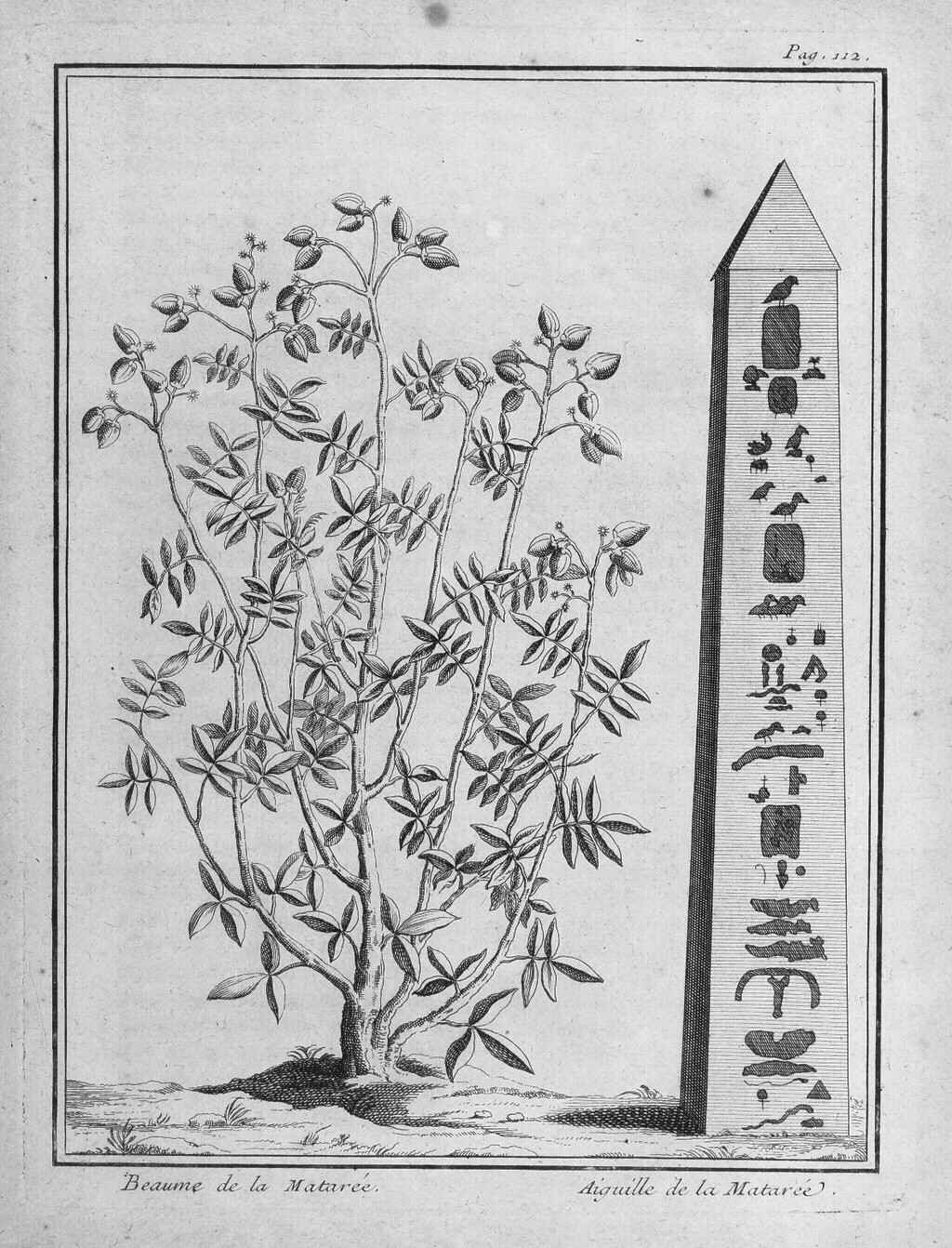
The authors argue that early states built on arrangements villages already had, not the other way round. The site now lies under Matariya in north-east Cairo, and rising groundwater threatens it.
Source: The Conversation via allAfrica, November 2026.