From FESPACO to Montreal: how film festivals carry African heritage
A study screened one Kenyan comedy at three festivals on two continents. Audiences in Brazil, Canada and the diaspora each found their own story in it.
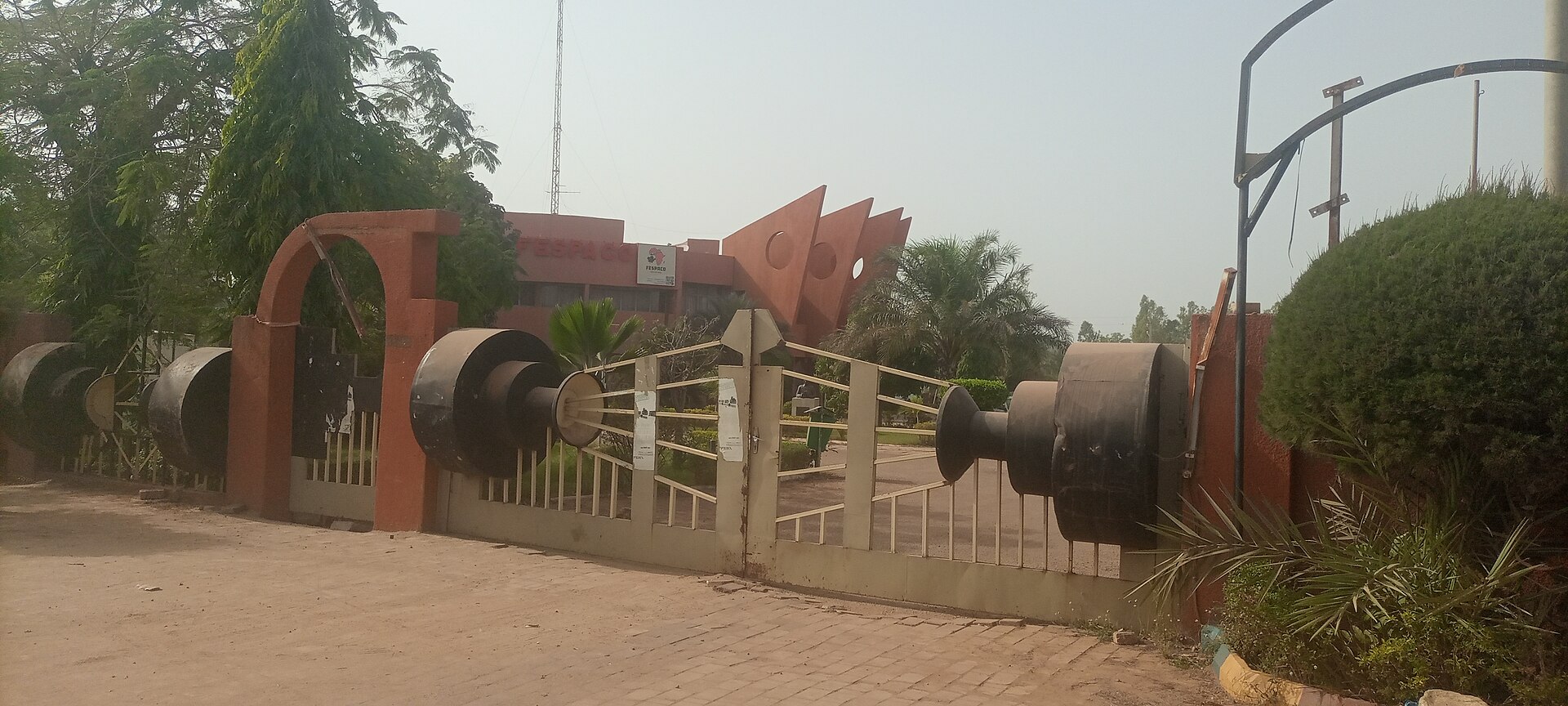
PANM — Africa built some of the world's oldest film festivals: the Carthage Film Festival in Tunisia (1966), FESPACO in Ouagadougou (1969), the Cairo International Film Festival (1976) and the Durban International Film Festival (1979). Festivals such as Zanzibar, Marrakech and AFRIFF in Nigeria have joined them. Sheila Petty, professor emerita at the University of Regina, writes in The Conversation that festivals carry African heritage around the world and help keep it alive.
One film, three audiences
Her team showed the same film, Tales of the Accidental City, a Kenyan comedy by Maïmouna Jallow about five people in a court-ordered anger-management class on Zoom, at three festivals in 2022 and 2023, with the director at each one:
- Curitiba, Brazil: audiences laughed and cried, connecting its injustices to the lives of local Black and Indigenous communities.
- Winnipeg, Canada: a large Kenyan diaspora audience laughed hardest, recognising life back home.
- Montreal: viewers said they had rarely laughed so much at a screening, and the discussion turned to African women telling their own stories on screen.
Abroad, too
Vues d'Afrique in Montreal, founded in 1984, is North America's largest and longest-running African film festival, with conferences, exhibitions, film training for schools and free summer screenings that draw thousands. Diaspora festivals have spread as far as New York's Amazigh film forum and FestAfro in Mexico.
Petty's conclusion: programmed well, an African film starts conversations across cultures, and passes its heritage on to the next generation.
Source: The Conversation, 20 August 2026.