Ge'ez: the ancient African script still used to write Amharic, Tigrinya and more
Known as fidäl, the script grew from inscriptions in Eritrea and northern Ethiopia over 2,000 years ago and is now used for more than 20 languages.
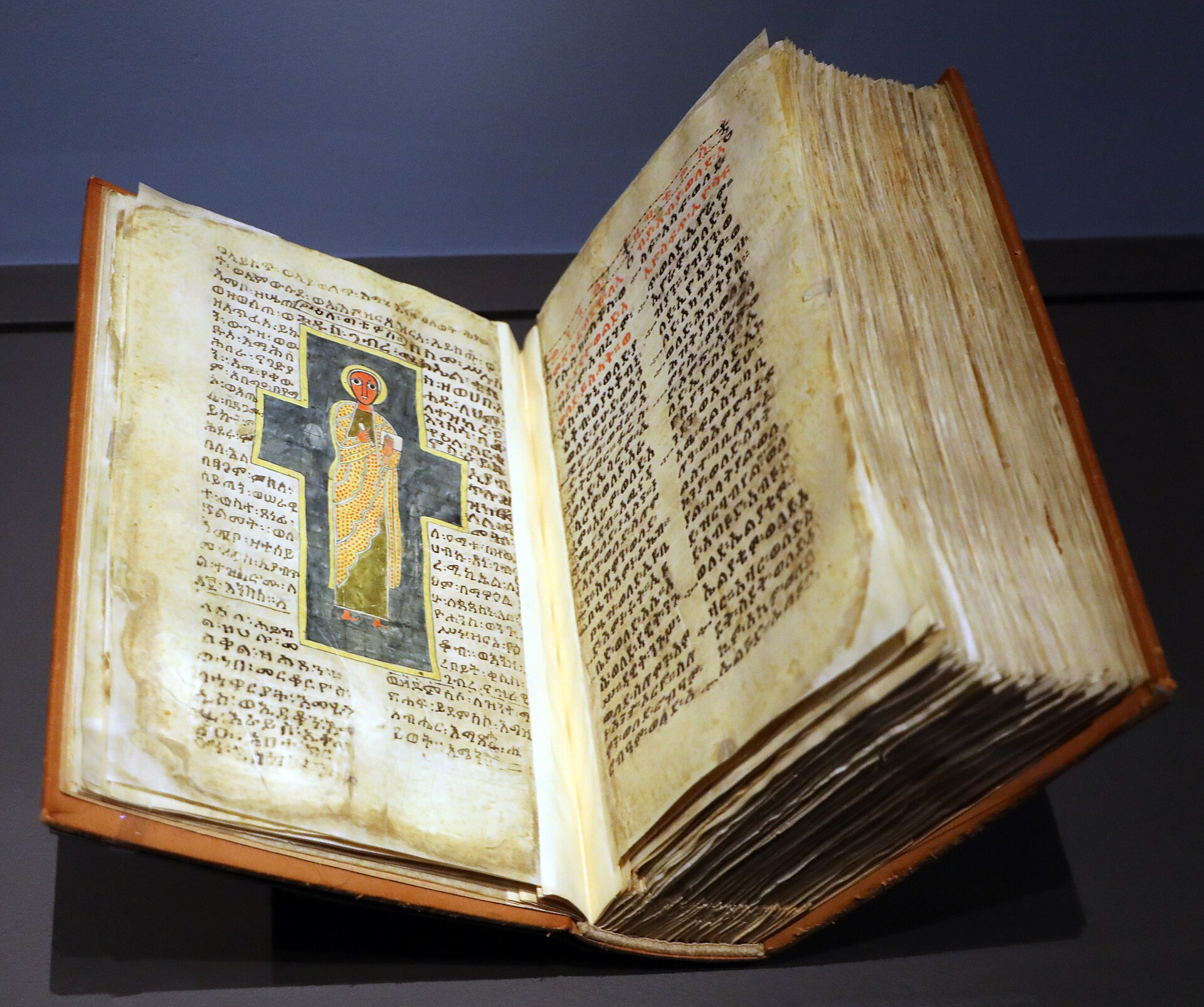
Axum — Africa has its own writing systems, and one of the oldest still in daily use is Ge'ez. In Amharic and Tigrinya the script is called fidäl, meaning "script" or "letter". It is used today to write Amharic in Ethiopia, Tigrinya in Eritrea and Ethiopia, Tigre, Bilen, the Gurage languages and at least 20 other languages of the region.
From inscriptions to books
Ge'ez grew out of the Ancient South Arabian script. The earliest Semitic inscriptions in Eritrea date to the ninth century BC, and the oldest known example of Ge'ez is on the Hawulti obelisk at Matara, in Eritrea. Rock and cave inscriptions in Tigray and in Eritrea's former Akele Guzai province show how the script changed over the centuries that followed.
By the first centuries AD an "Old Ethiopic" alphabet had emerged, with letters very close to those used today. In the fourth century, vowels were added by attaching marks to each consonant, turning it into what linguists call an abugida, in which each character stands for a syllable.
Twenty-six letters, many sounds
Ge'ez has 26 basic consonant letters, each written in several forms to show the vowel that follows, so the script is laid out like a table of syllables.
It was first used to write the Ge'ez language, which remains the liturgical language of the Ethiopian and Eritrean Orthodox Tewahedo Churches, the Ethiopian and Eritrean Catholic Churches and the Beta Israel community. Today Ge'ez is part of the Unicode standard, so it can be written on any computer.
Background: Wikipedia.