Ghana aims to make up to 80% of its essential medicines at home by 2030
The country imports 70-75% of its medicines at about US$500 million a year. A US$1 billion plan would favour Ghanaian-made drugs in public purchasing and build two manufacturing hubs.
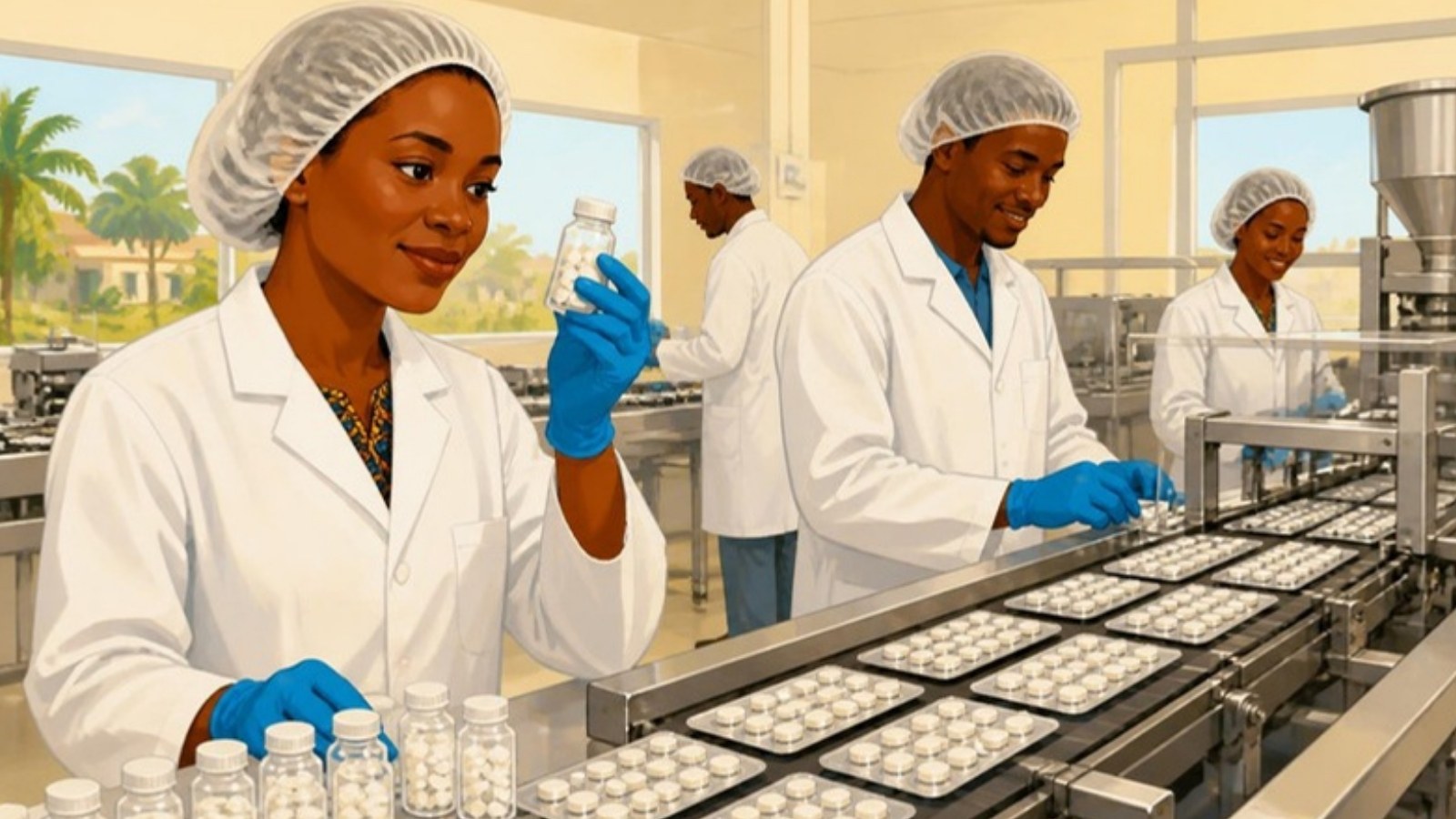
Accra — Ghana wants to produce between 60% and 80% of its essential medicines locally by 2030, under a US$1 billion Pharmaceutical and Biomanufacturing Compact announced in the 2027 budget on Thursday.
Finance Minister Dr Cassiel Ato Forson said Ghana currently imports 70-75% of the medicines it needs, at a cost of about US$500 million a year.
Buying Ghanaian first
The government plans to amend procurement law so that public funds spent on medicines go to Ghanaian-made products wherever they are available in sufficient quantity and meet approved quality standards. Dr Forson said similar policies had been used in India, Ethiopia, Nigeria and Tanzania, and stressed that the preference would not come at the expense of quality, timely delivery or value for money.
All suppliers will need Food and Drugs Authority registration and must meet Good Manufacturing Practice standards. The government will also help local manufacturers seek World Health Organization prequalification so they can compete in regional and international markets.
Two new hubs
Pharmaceutical and biomanufacturing hubs will be built in the Eastern and Central regions, with construction due to start in 2027 through a state-owned special purpose vehicle. Ghanaian and international manufacturers will be brought in through lease and operating agreements.
The plan is expected to create about 20,000 direct and indirect jobs and position Ghana as a pharmaceutical hub for West Africa.
Source: MyJoyOnline, 12 November 2026.