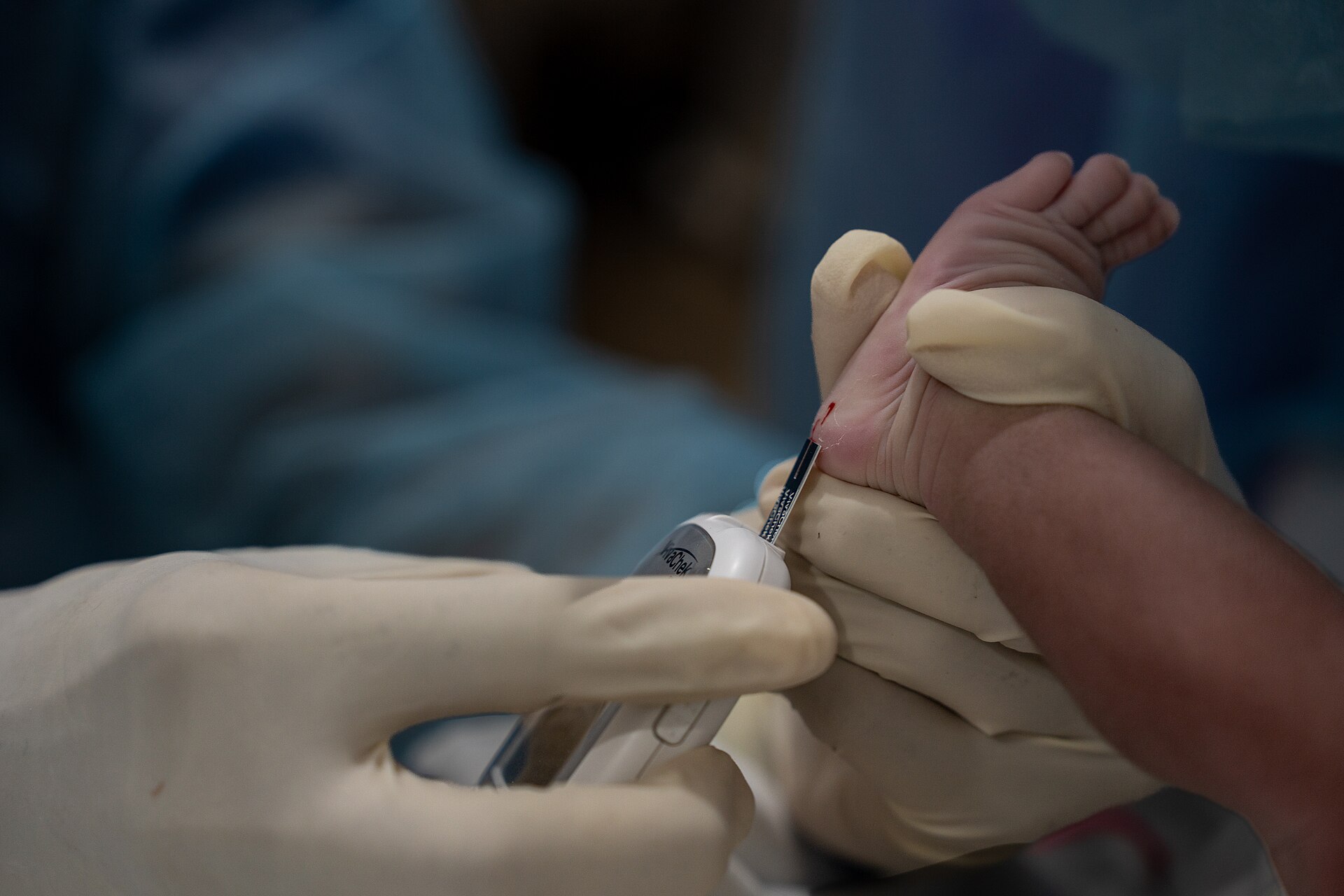
Tuberculosis incidence in sub-Saharan Africa fell 30% in a decade, WHO report finds
The region still accounts for about a quarter of new TB cases worldwide, and the report warns progress depends on steady funding as aid falls.
Lire cet article en français →
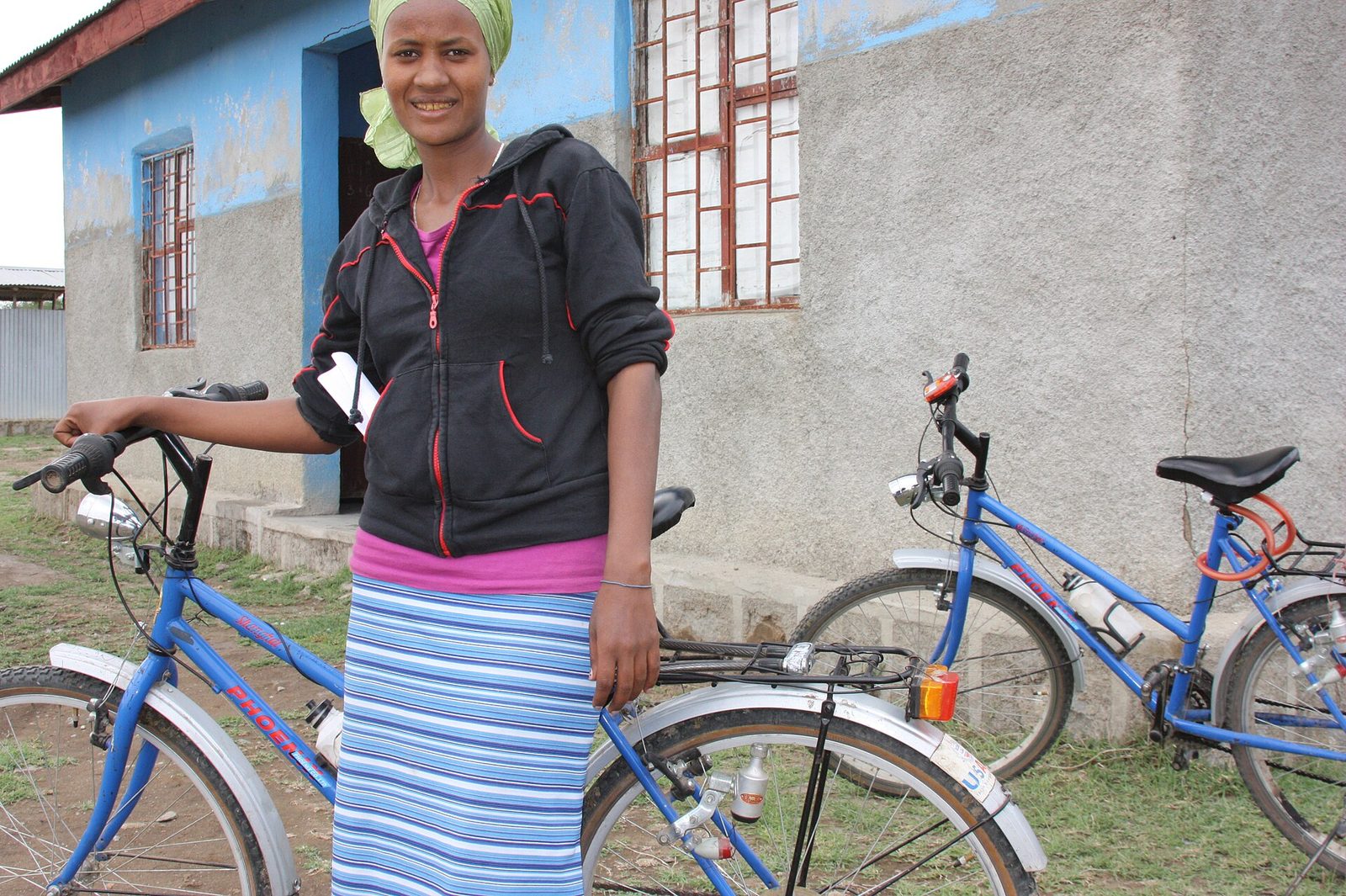
Dakar — The rate of new tuberculosis cases in sub-Saharan Africa fell by 30% between 2015 and 2025, according to the World Health Organization's Global Tuberculosis Report 2026, as reported by Senego.
The region still accounts for about 25% of new TB cases recorded worldwide.
HIV and access to care
The decline comes alongside high rates of TB and HIV co-infection, above 50% in parts of southern Africa. In 2020, of the 1.5 million people who died of tuberculosis worldwide, 214,000 were living with HIV. That year, TB deaths rose for the first time in a decade, a setback linked to the Covid-19 pandemic, which the report says shows how much progress depends on uninterrupted care.
Access remains limited in much of the region. The universal health coverage index for sub-Saharan Africa averaged 51 out of 100 in 2023, and in most countries fewer than one in five people receive at least one social protection benefit.
Funding matters
National TB programmes rely heavily on outside donors. The report says further progress depends on adequate funding, political commitment and stronger national health budgets, at a time when development aid is falling.
Source: Senego, 12 November 2026.