Ghana trains nearly 200 teachers and health workers to spot teenagers in distress
The training, in five regions, teaches the adults around young people to recognise emotional struggles early and respond before a crisis.
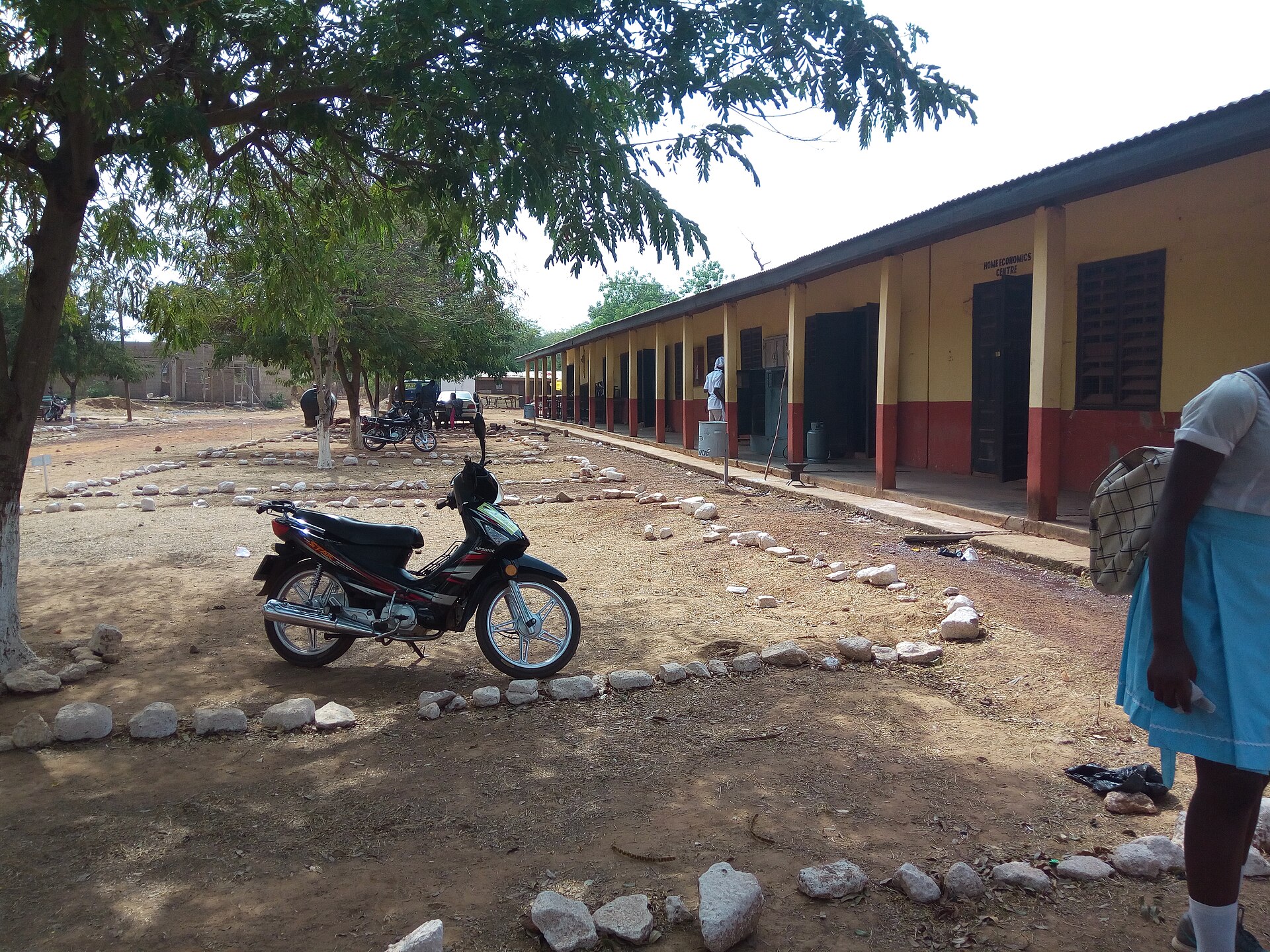
PANM — A teenager's grades slip; he stops joining friends at break and spends more time alone. To some it looks like a phase. To a trained teacher or health worker, it can be a sign that a young person needs help. In five regions of Ghana, more adults are now being equipped to notice, the World Health Organization's Africa office said.
196 teachers, health professionals and community representatives from the Upper East, Bono East, Ahafo, Oti and Western North regions took part in training on adolescent socio-emotional learning and suicide prevention, run by the Ghana Health Service and WHO with funding from Grand Challenges Canada.
What they learned
- Emotional regulation, communication, conflict resolution and coping with stress
- How to recognise signs that a young person may be at risk, and how to respond
- How to work across schools, clinics, youth groups and community leaders, because no single sector can protect young people's mental health alone
"The training has equipped us with practical skills to support adolescents who may be struggling emotionally before their challenges escalate," said David Addo Prempeh, a school health coordinator from Bono East. Mohammed Alhassan, the Upper East Region's Zongo youth representative, said the sessions gave tools that can be used straight away.
Participants drew up regional action plans and asked for mentoring, refresher courses and stronger community involvement.
Source: World Health Organization Regional Office for Africa, 12 October 2026.