Keeping maternity and sexual health care going when disaster strikes
Health workers from Malawi, Botswana, Lesotho, Eritrea, Eswatini and other countries trained in Lilongwe on a minimum package of reproductive care for emergencies.
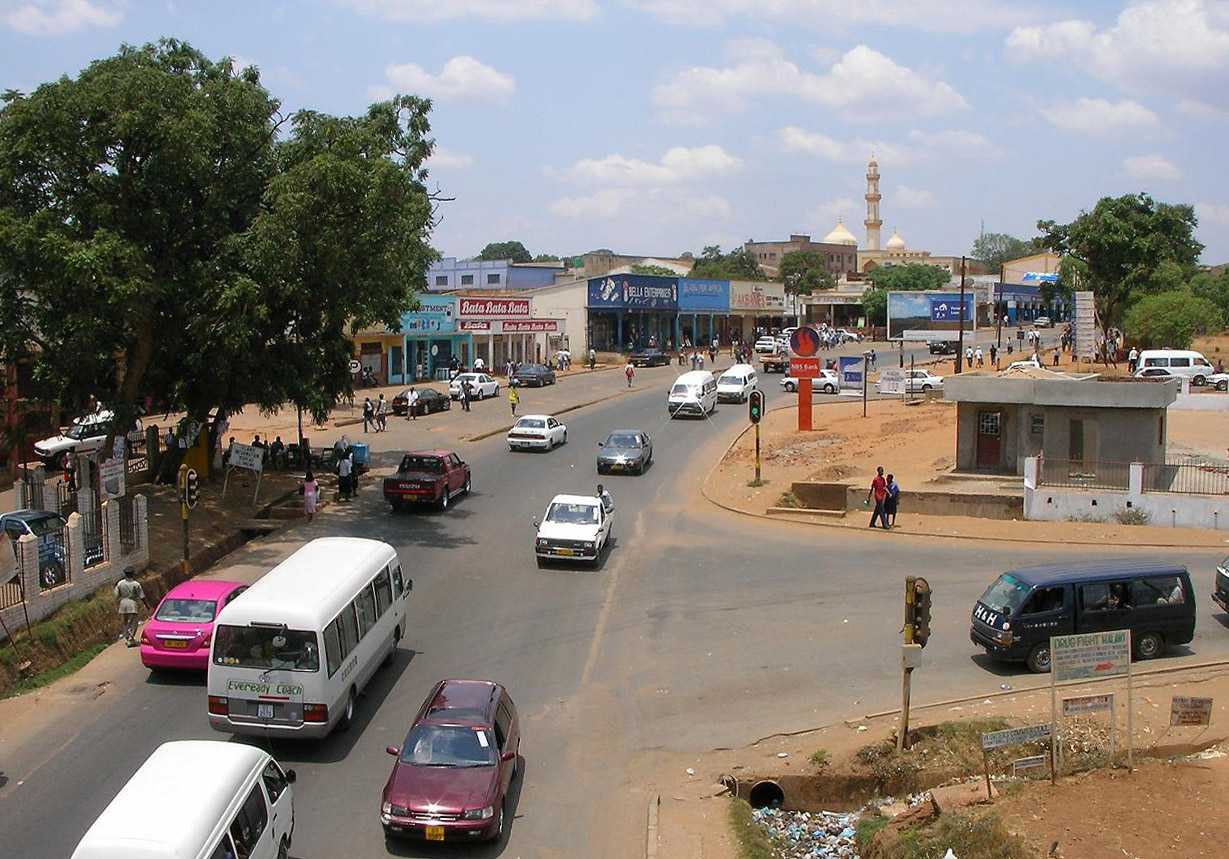
Lilongwe — When floods or conflict disrupt health services, women and girls can lose access to care just when they need it most. A five-day regional course in Lilongwe, Malawi, from 12 to 16 October, trained health staff from Malawi, Botswana, Lesotho, Eritrea and Eswatini, among other countries, to keep that care going, the World Health Organization's Africa office said.
The course covered the Minimum Initial Service Package (MISP), a framework for organising life-saving sexual and reproductive health services from the first days of a crisis, including care to prevent maternal and newborn deaths and timely treatment for survivors of sexual violence. It was hosted by WHO Malawi with the Ministry of Health and Sanitation, UNFPA, UNICEF, UNAIDS and the Sweden-backed 2gether4SRHR partnership.
Why it matters
- Disasters often displace communities and interrupt care, said WHO's representative in Malawi, Dr Charles Kuria Njuguna, and preparedness must put marginalised groups, especially women and girls, first.
- Malawi's recurring floods show the need for health systems that can keep running, said the health ministry's principal secretary for administration, Bestone Chisamile, who called for reproductive health to be built into national emergency plans.
- Magda Armah, WHO Africa's lead for fragile and vulnerable settings, hoped participants would leave with practical national action plans.
Participants will in turn train frontline health workers in their own countries.
Source: World Health Organization Regional Office for Africa, 12 October 2026.