How Food Reaches El Fasher One Year After the RSF Takeover
Ahmed Hussein, a Sudanese trader who has asked to be identified by a pseudonym for his safety, continues to transport food supplies into El Fasher. His trips follow no fixed schedule; he sets out only when an opportunity arises. At every checkpoint operated by Sudan’s Rapid Support Forces (RSF), Ahmed must negotiate the amount required to enter or leave the city. Some fighters allow him to pass in
PANM — Ahmed Hussein, a Sudanese trader who has asked to be identified by a pseudonym for his safety, continues to transport food supplies into El Fasher. His trips follow no fixed schedule; he sets out only when an opportunity arises.
At every checkpoint operated by Sudan's Rapid Support Forces (RSF), Ahmed must negotiate the amount required to enter or leave the city. Some fighters allow him to pass in exchange for a bribe, with the amount varying according to their rank. When they refuse to let him through, he seeks alternative routes to bypass RSF positions.
Hussein is among the traders who continue to bring food into a city from which hundreds of thousands of people have been displaced since the siege began in May 2024.
The RSF seized El Fasher, the capital of North Darfur State, on October 26, 2025, after an 18-month siege that contributed to famine conditions in the city. According to the United Nations, more than 6,000 people were killed in the first three days of the RSF's final offensive. UN investigators subsequently identified evidence of genocidal intent targeting the Zaghawa and Fur communities.
In January 2026, Médecins Sans Frontières (Doctors Without Borders) described the city as resembling a ghost town following a visit conducted under the supervision of security officials. Separately, a report by the United Nations Human Rights Office stated that, as of January 7, 2026, credible sources indicated that 2,769 civilians were being held in 17 shelters under RSF surveillance, with restrictions on their freedom of movement.
While the RSF-affiliated parallel government, known as Ta'sis and based in Nyala, urges displaced residents to return, reports of restrictions on civilian movement continue to raise concerns. The United Nations has documented cases in which RSF fighters prevented families from leaving North Darfur for Tawila and forcibly returned some civilians to El Fasher. Tawila has become a major refuge for displaced people, hosting more than 650,000 people uprooted by the conflict.
Families still living in El Fasher say they are forced to pay double, and sometimes triple, the prewar prices for basic food items. Although humanitarian assistance has reached some residents, access remains severely limited. In September 2026, the World Food Programme reported providing life-saving food assistance to approximately 20,000 people in the city. Employment opportunities that could provide families with an income have also largely disappeared.
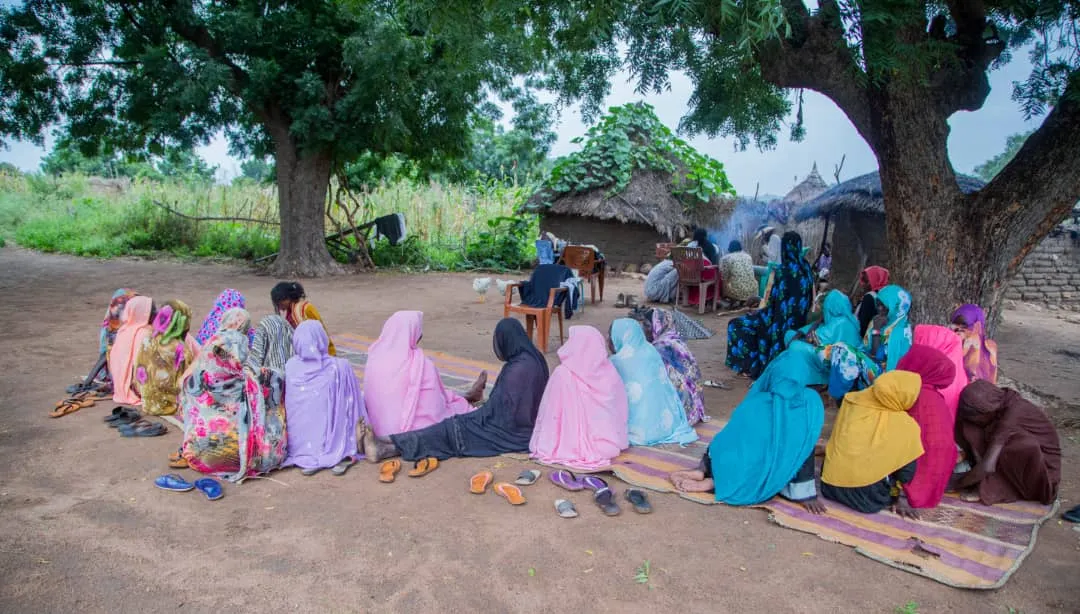
Despite restrictions on internet connectivity and communication services, residents try to maintain contact with relatives outside the city while attempting to rebuild their daily lives in neighbourhoods that have become largely deserted.
The networks of solidarity and social relationships they once relied on have fractured, and many of their former neighbours are gone.
A year after the RSF takeover, the continued movement of traders such as Ahmed offers a glimpse into how essential food supplies still reach El Fasher, even as residents struggle with high prices, limited humanitarian assistance and the lasting consequences of war.