Malaria can be beaten, say Pretoria researchers. Turning science into action is the next step
Vaccines, better tests and satellite forecasts have brought elimination within reach for more countries. Two University of Pretoria specialists set out what still needs to happen.
Lire cet article en français →
Pretoria — Ending malaria has become a realistic goal for a growing number of countries. Over the past 20 years, better prevention, diagnosis and treatment have cut deaths from the disease, which is caused by a parasite and spread by mosquitoes.
Taneshka Kruger and Tiaan de Jager of the University of Pretoria's Institute for Sustainable Malaria Control point to four scientific advances behind that progress: two malaria vaccines, more sensitive tests, parasite genomics that track drug resistance, and satellite monitoring that helps predict where outbreaks may come.
Warnings that lead to action
Satellites can track rainfall, temperature, vegetation and surface water, which together show where mosquitoes are likely to breed. In 2020, an early-warning system helped health authorities in Bahir Dar, Ethiopia, spot an unusually high malaria burden and prepare a response. The researchers say this is the model: a warning is only useful if it reaches people with the authority and supplies to act on it.
Knowing is not enough
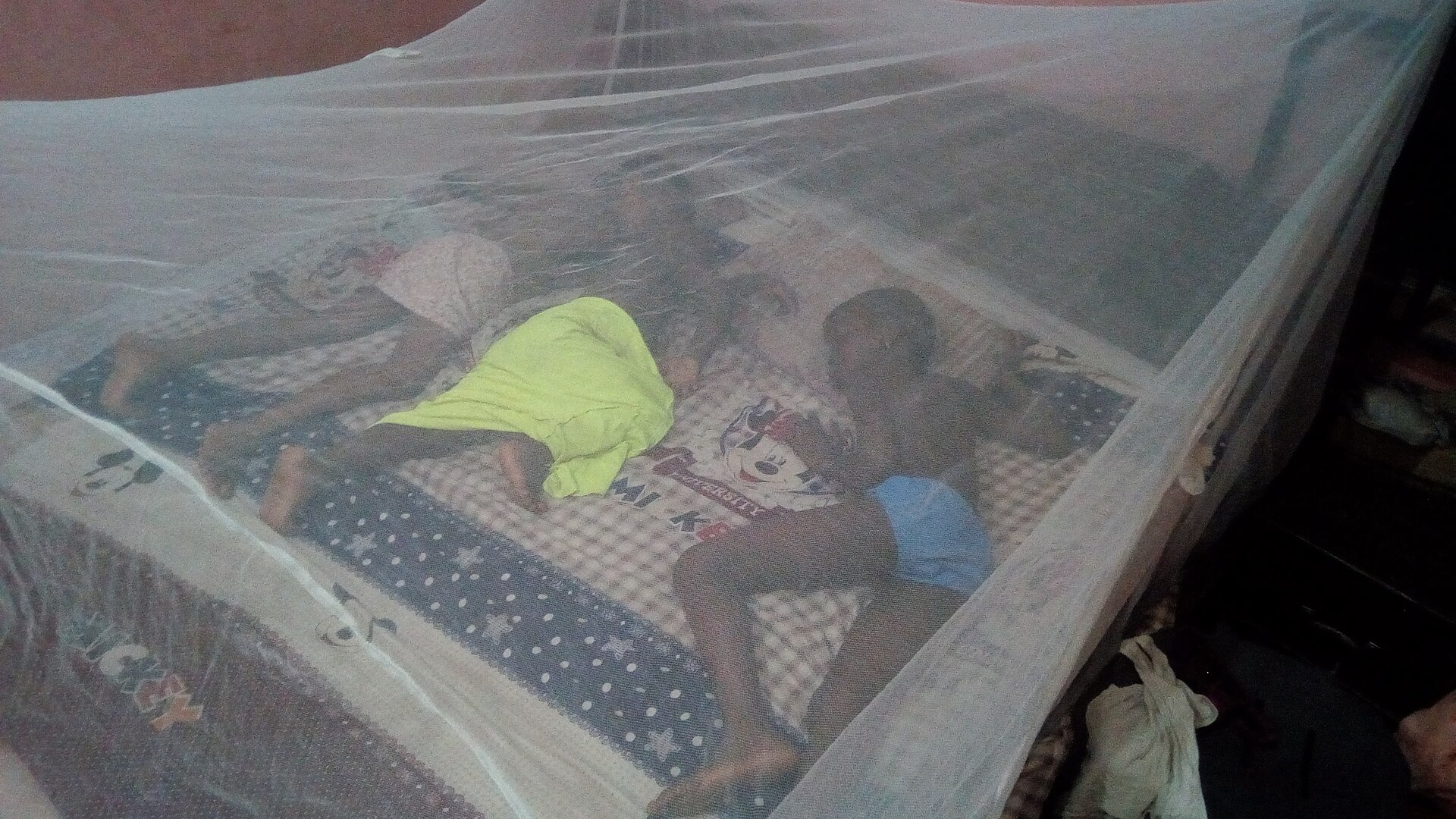
A study of more than 7,500 people in Zambia and Zimbabwe found that 85% of adults knew mosquito bites cause malaria, and 95.5% could name at least one symptom. Yet nets were not always used, often because they cost too much or there were not enough for large households.
The authors argue for three things: stronger health systems to deliver proven tools, prevention that people can actually reach, and closer work between researchers and malaria programmes. In Malawi, locally produced evidence has already changed national treatment policy.
Sub-Saharan Africa still accounts for about 95% of malaria cases and deaths worldwide, which is why the authors say the next breakthrough depends on how knowledge is put to use.
Source: The Conversation, 10 November 2026.